24 hr
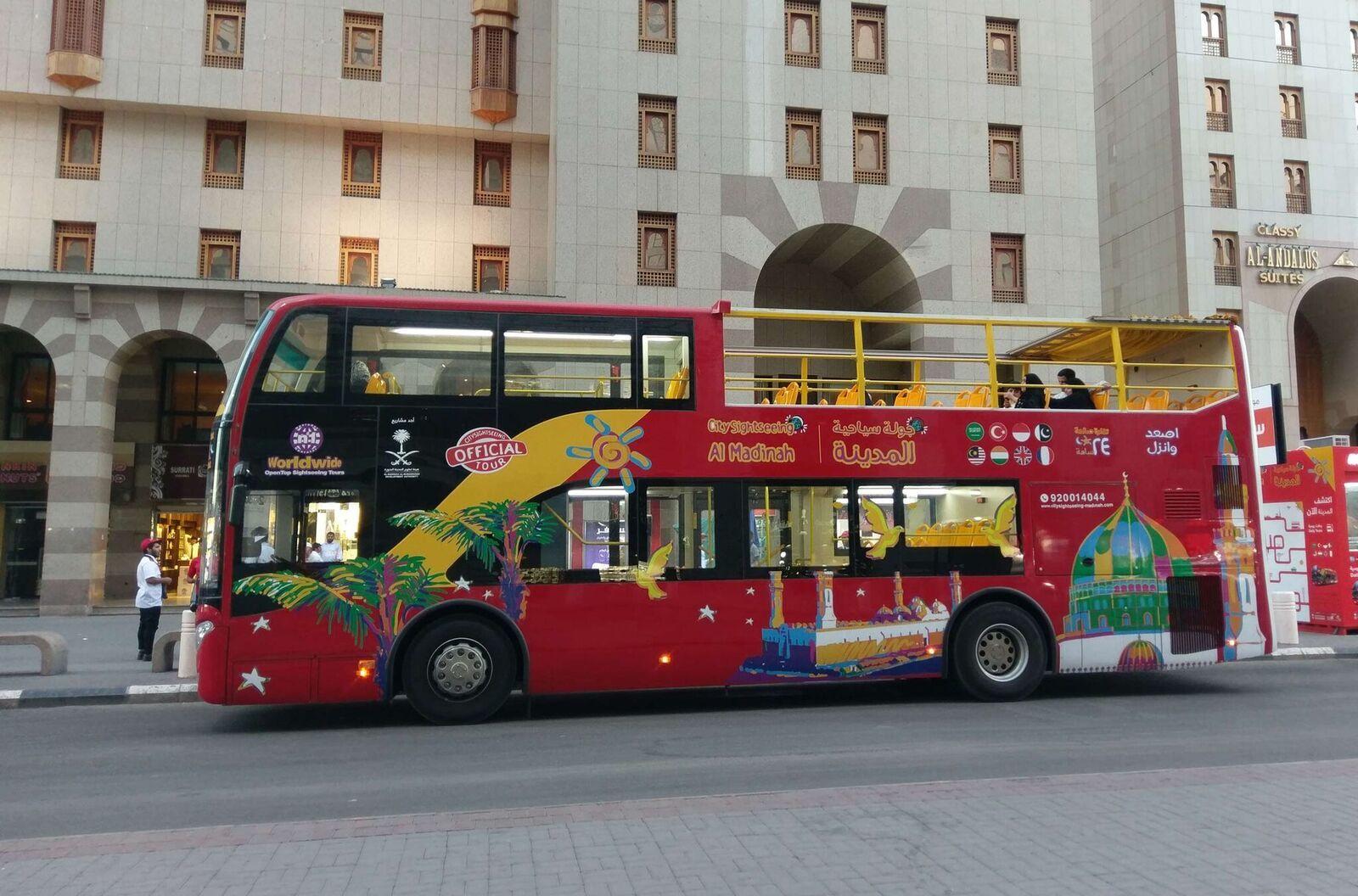
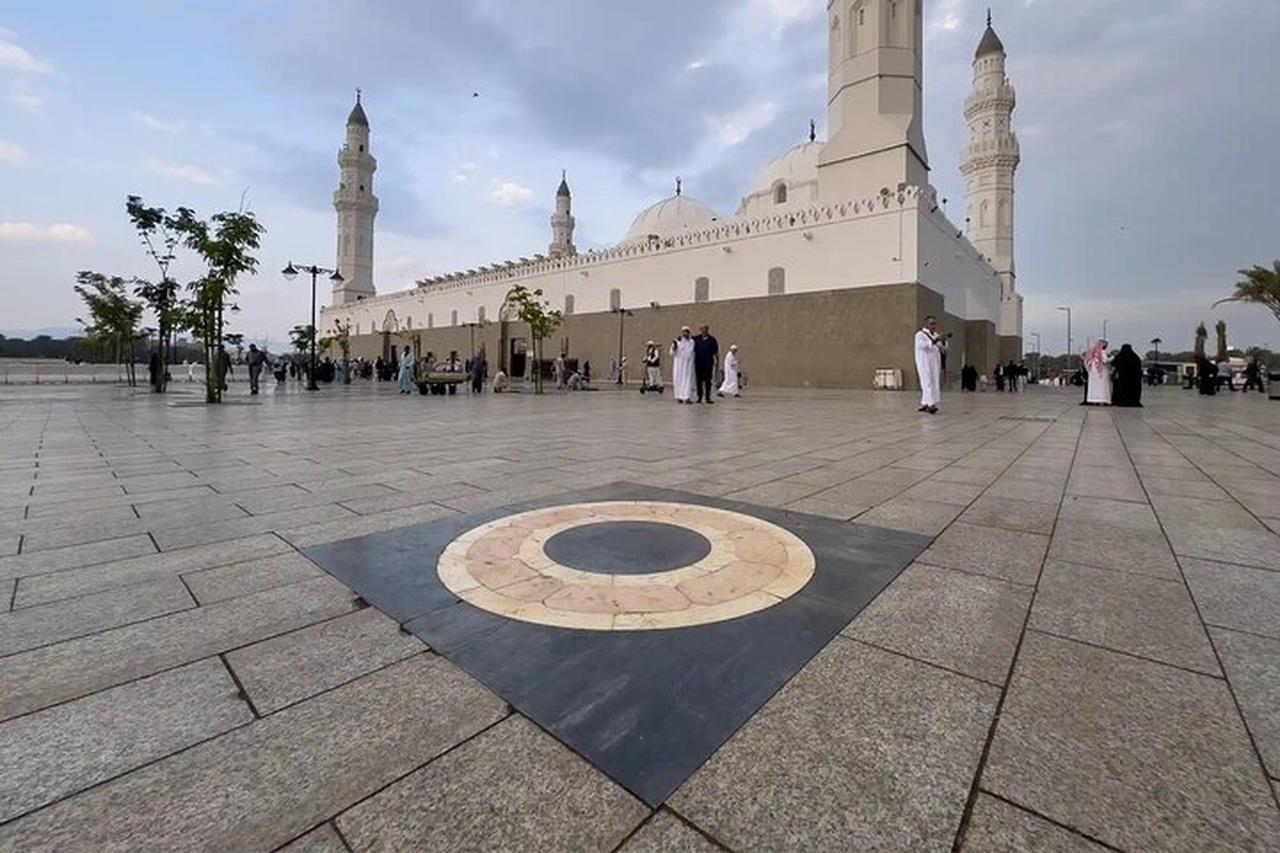
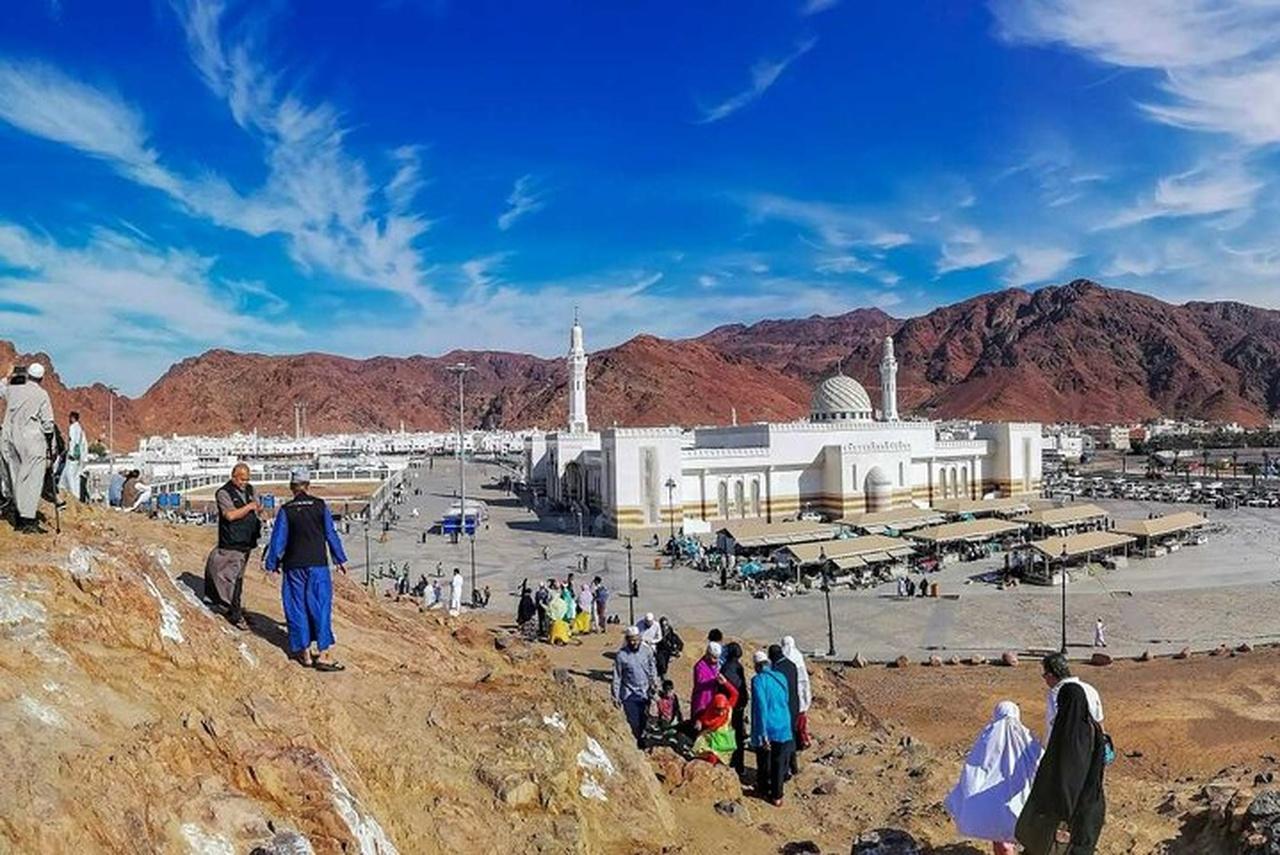
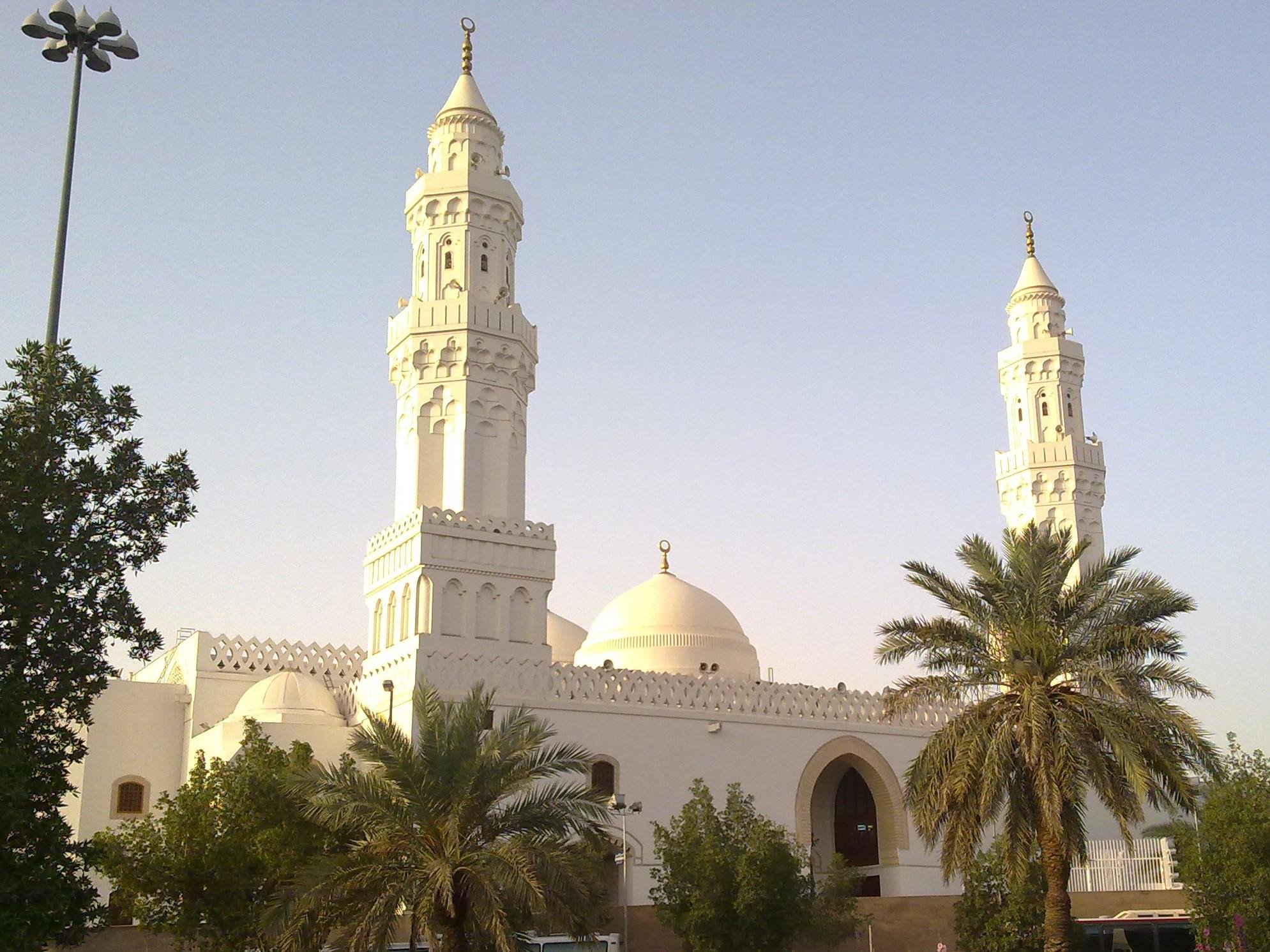
Al Madinah Hop-On Hop-Off Bus Tour
- Expert local guide
- Small group
- Skip-the-line access
- Free cancellation
Hegra Tour from Madinah — Nabataean Heritage & Desert Archaeology
Three-hour journey to Saudi Arabia's first UNESCO site, carved stone facades waiting
Compare fares, pick the fit — all bookings are mobile-voucher and eligible for free cancellation where shown.
24 hr
5 hr
3 hr
Selecting the right ticket for your hegra tour from madinah involves choosing between shared coach excursions and private vehicle experiences. This official decision matrix outlines the options for exploring these UNESCO heritage landmarks.
|
Top pick Day Tour (Coach) Shared group access |
Premium Tour (4x4) Private vehicle access | |
|---|---|---|
| Entrance Fee | 95 SAR per person | 95 SAR (plus vehicle fee) |
| Transport Included | Shared coach | Private 4x4 vehicle |
| Tour Duration | 2–3 hours | 2 hours |
| Guide Included | Yes (Rawi) | Yes (Rawi and Ranger) |
| Best For | First-timers and budget | Private groups and families |
| See tickets & prices |
Verdict: For most visitors, the standard shared hegra tour from madinah provides the essential experience, while the private tour offers a more tailored visit for those prioritizing comfort.
Worth it for archaeology enthusiasts, less so for casual visitors
A hegra tour from madinah requires commitment—AlUla sits 330 km north, typically a 3.5-hour drive each way. The 95 SAR conservation fee includes guided access to UNESCO-listed Nabataean tombs carved into sandstone cliffs, but transport and meals add considerably to the total cost. Tours from Madinah covering AlUla's archaeological sites generally run full-day itineraries, making this a 10-12 hour commitment. The value equation tips positive if you're drawn to ancient trade routes and desert archaeology: Hegra's 111 rock-cut tombs rival Petra in craftsmanship but see far fewer visitors. For travelers prioritizing Islamic heritage over pre-Islamic history, Madinah's own ziyarah tours and the Prophet's Biography Museum deliver stronger thematic alignment without the long transfer. The Nabataean inscriptions and monumental facades reward those willing to invest the time and logistics.
Bottom line: Book a Hegra tour from Madinah if ancient archaeology justifies a full day away from the city's Islamic landmarks.
They complement each other, though most visitors who experience both call Petra the more established tourist icon while Hegra remains the quieter, pristine Nabataean alternative. Choosing between these ancient landmarks often comes down to your preference for accessibility versus seclusion.
|
Top pick Hegra |
Petra | |
|---|---|---|
| Focus | Nabataean monumental tombs | World heritage rock-cut city |
| Transport | 3.5–4.5 hours from Madinah | International airport access |
| Preservation | Excellent (never reused) | Highly weathered due to scale |
| Atmosphere | Secluded, luxury-first | High-traffic global icon |
| Tours | Required guided site access | Independent exploration permitted |
| UNESCO Status | First in Saudi Arabia | New Seven Wonders site |
| See tickets & prices |
Verdict: If you seek an exclusive experience with perfectly preserved façades, book your hegra tour from madinah, whereas those wanting a multi-day hiking adventure with established amenities should prioritize a hegra tour from madinah tour-style comparison to Petra. For travelers securing hegra tour from madinah tickets, the historical insights from a local Rawi provide an unmatched narrative depth.
Hand-picked experiences loved by thousands of travelers
8 hours
Free Cancellation
Explore sacred Islamic sites, ancient wells, and historic battlefields on this comprehensive day trip
1 hour
Free Cancellation
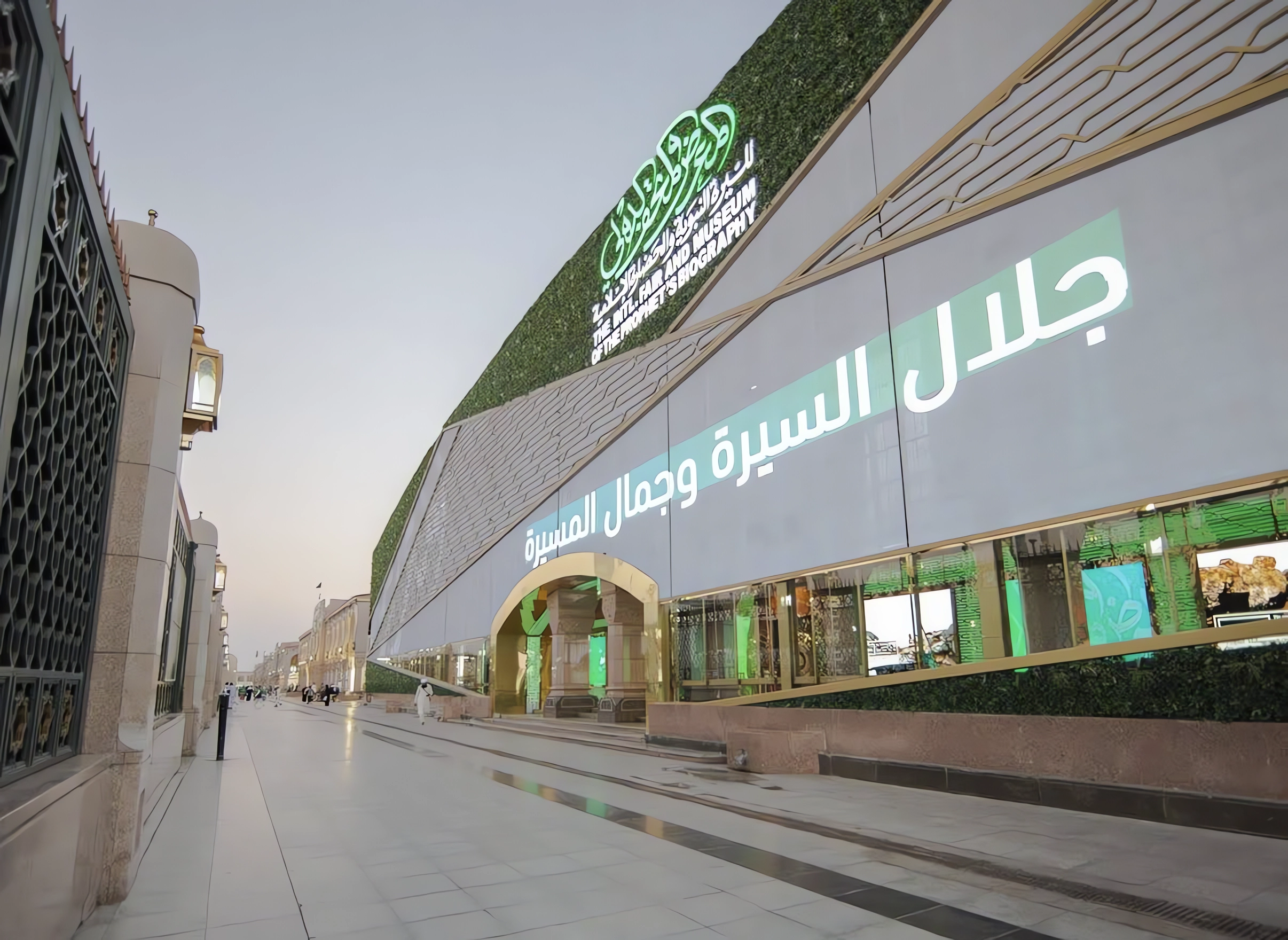
Immersive multimedia journey through Islamic history and the life of Prophet Muhammad in Madinah
4 hours
Free Cancellation
Journey through sacred Islamic history visiting significant locations from the Prophet's life in Madinah
6 hours
Free Cancellation
Explore Medina's sacred sites and rich heritage on a personalized 6-hour guided journey
8 hours
Free Cancellation
Journey through sacred battlefields, ancient wells, and prophetic landmarks on this full-day exploration
3.5 hours
Free Cancellation
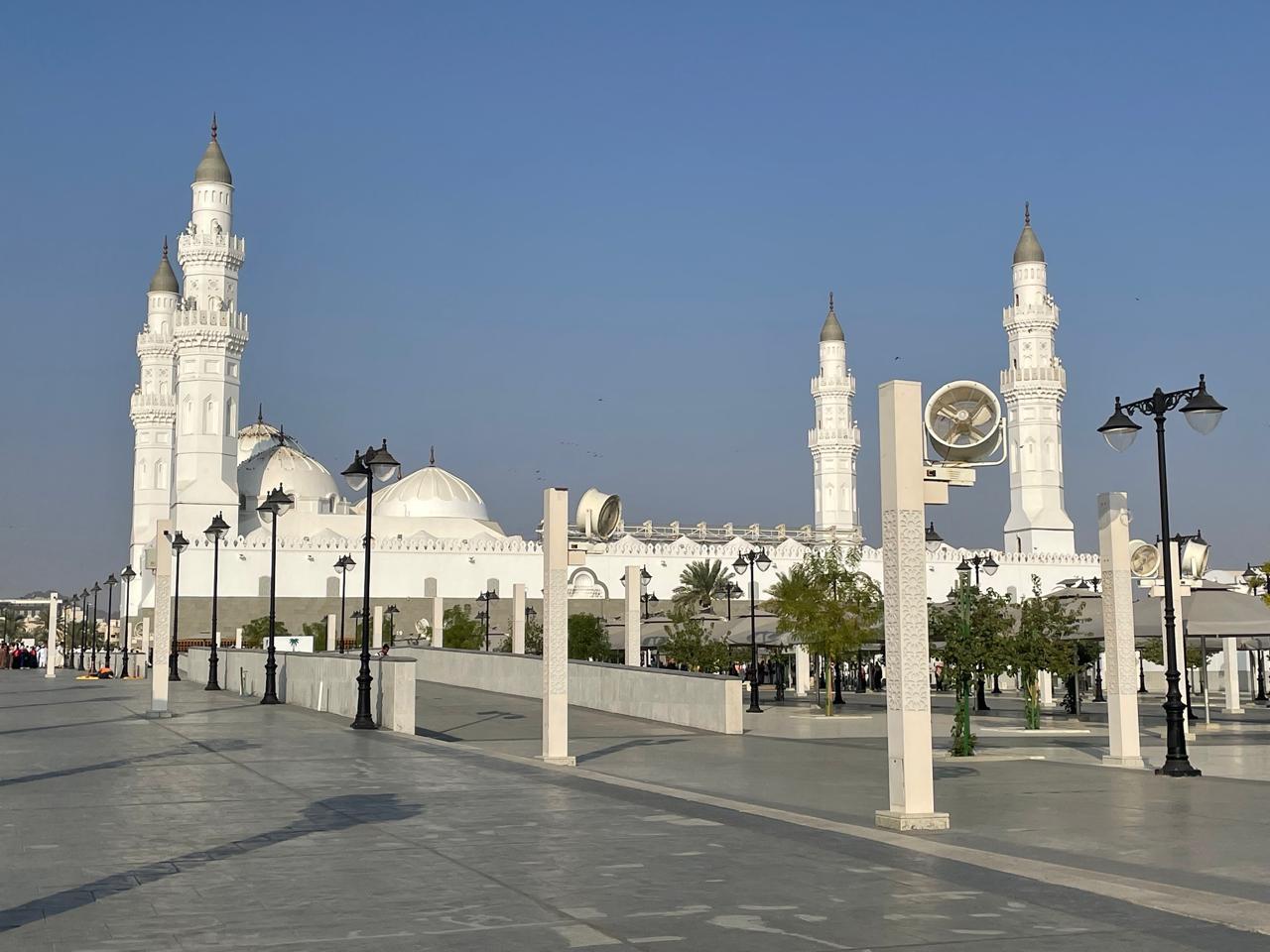
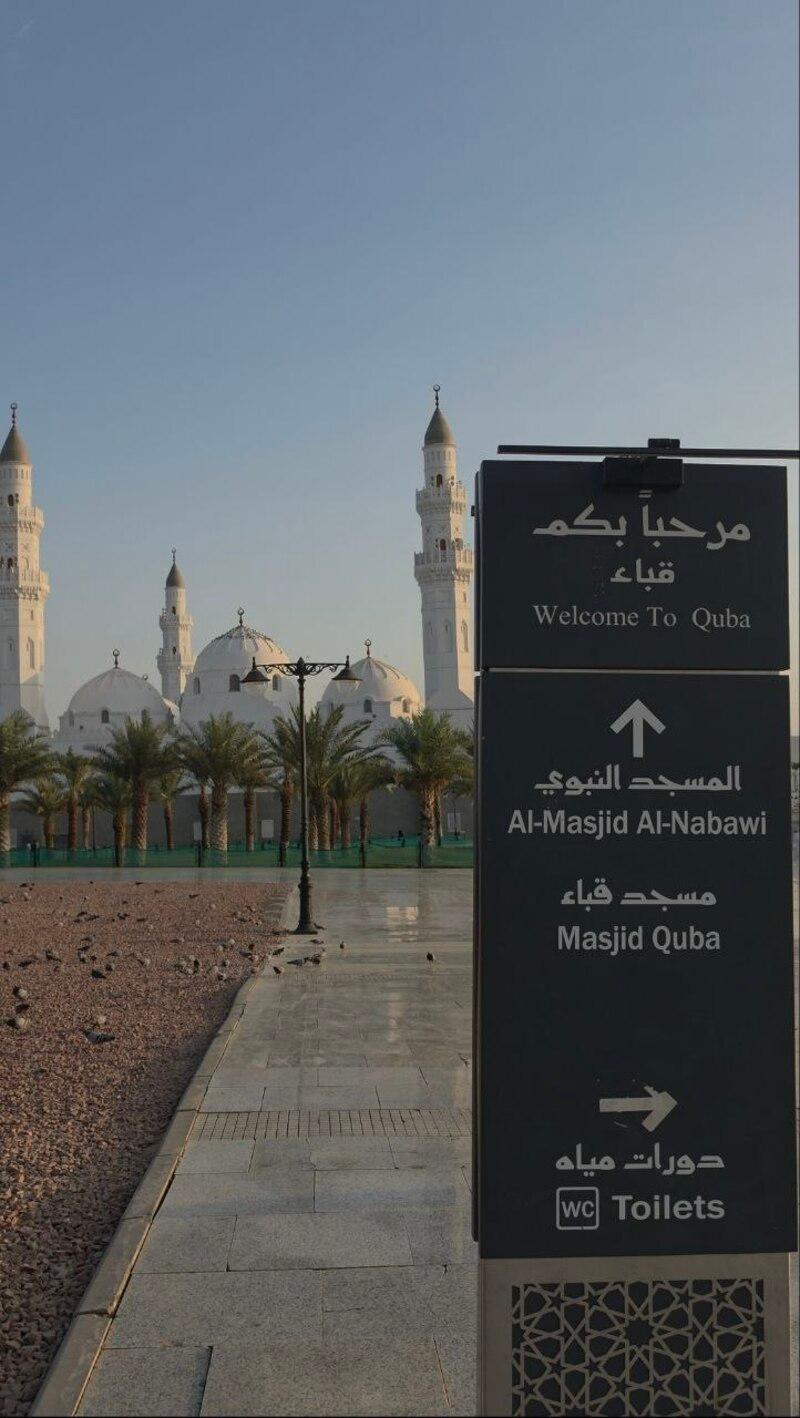
Trace the Prophet's arrival in Madinah through blessed homes, the first mosque, and historic wells
3 hours 30 minutes
Free Cancellation
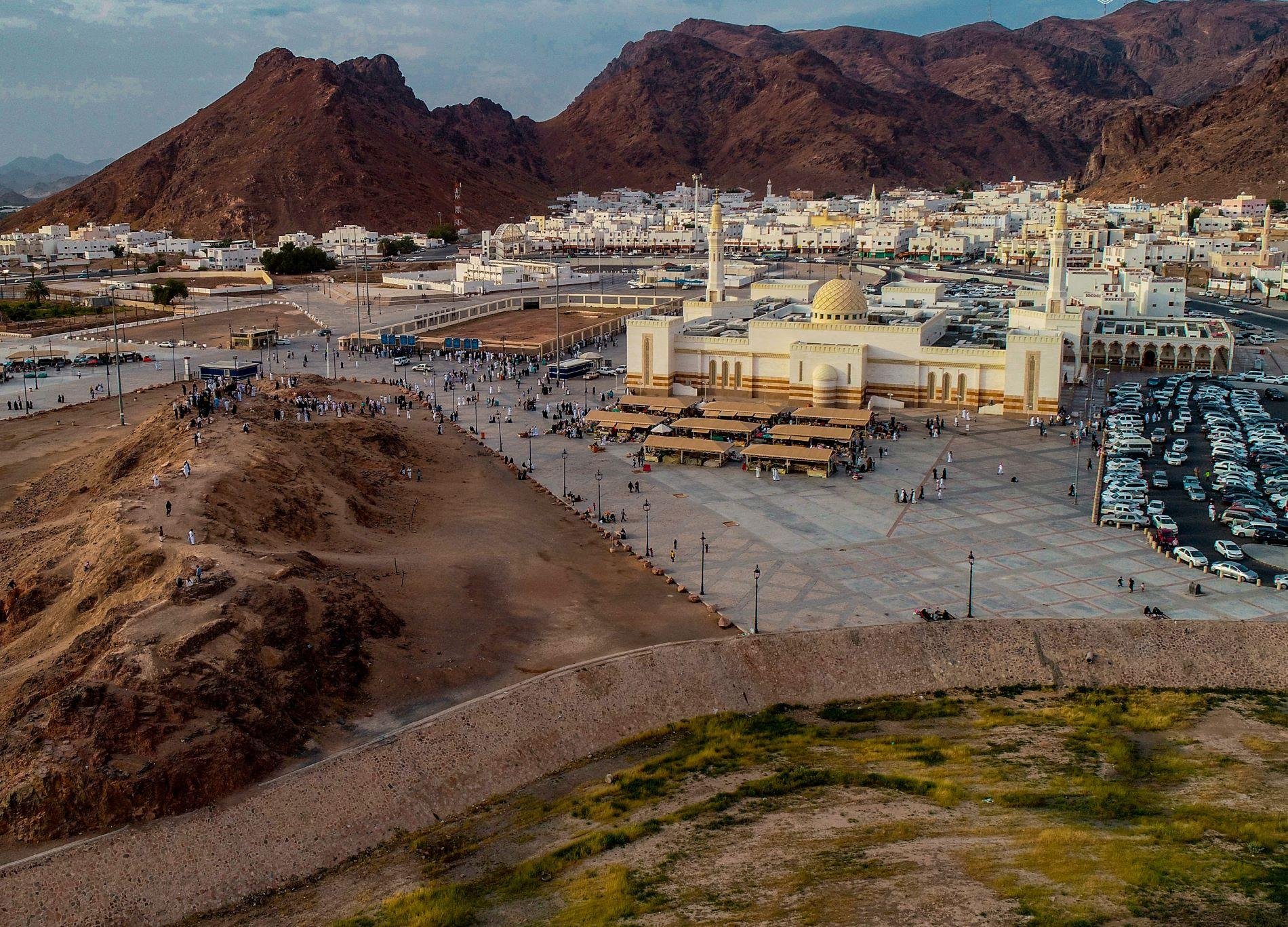
Trace the historic Battle of Uhud through sacred sites where the Prophet and companions stood
3 hours
Free Cancellation
Explore Madinah's sacred sites with a private guide, visiting six key Islamic landmarks of your choice.
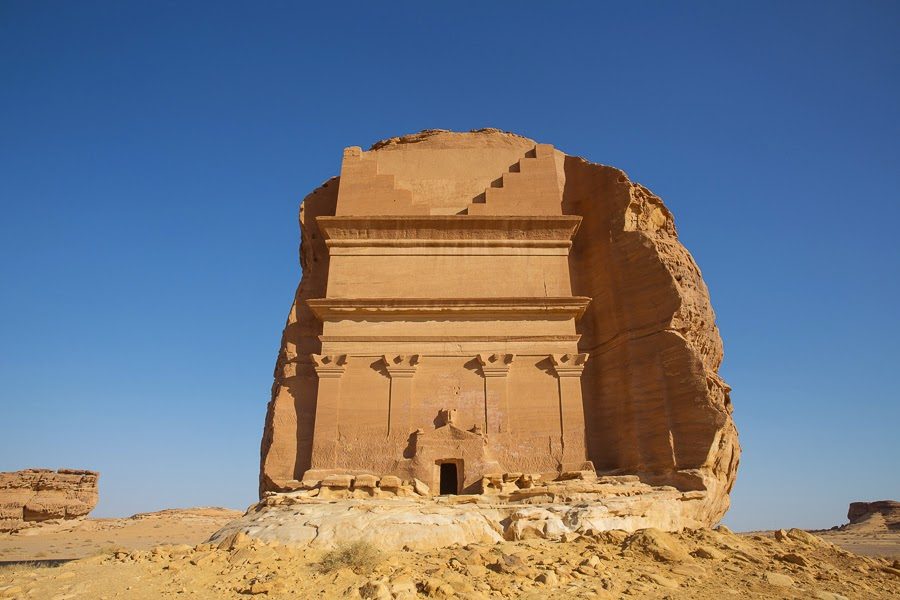
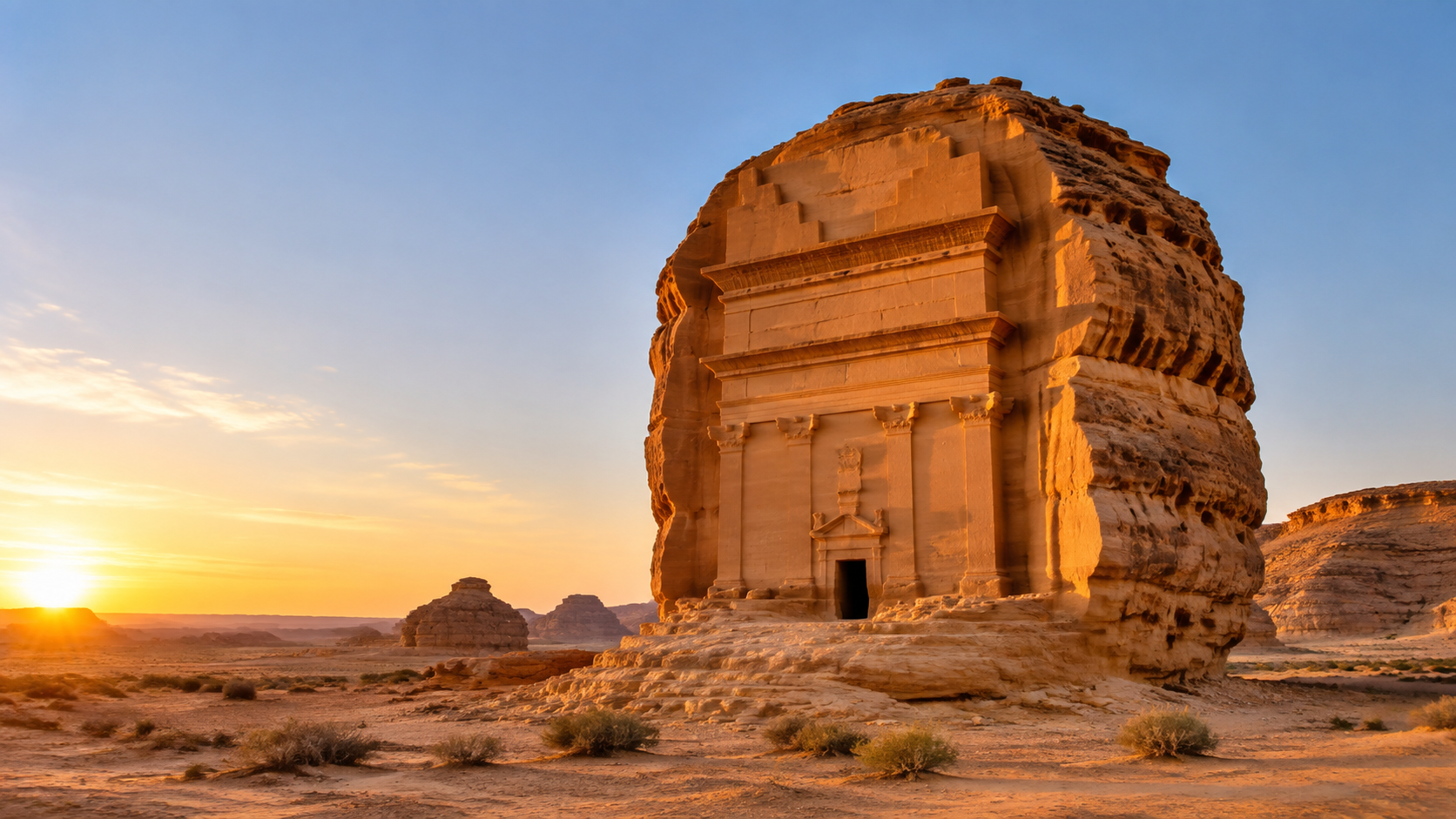
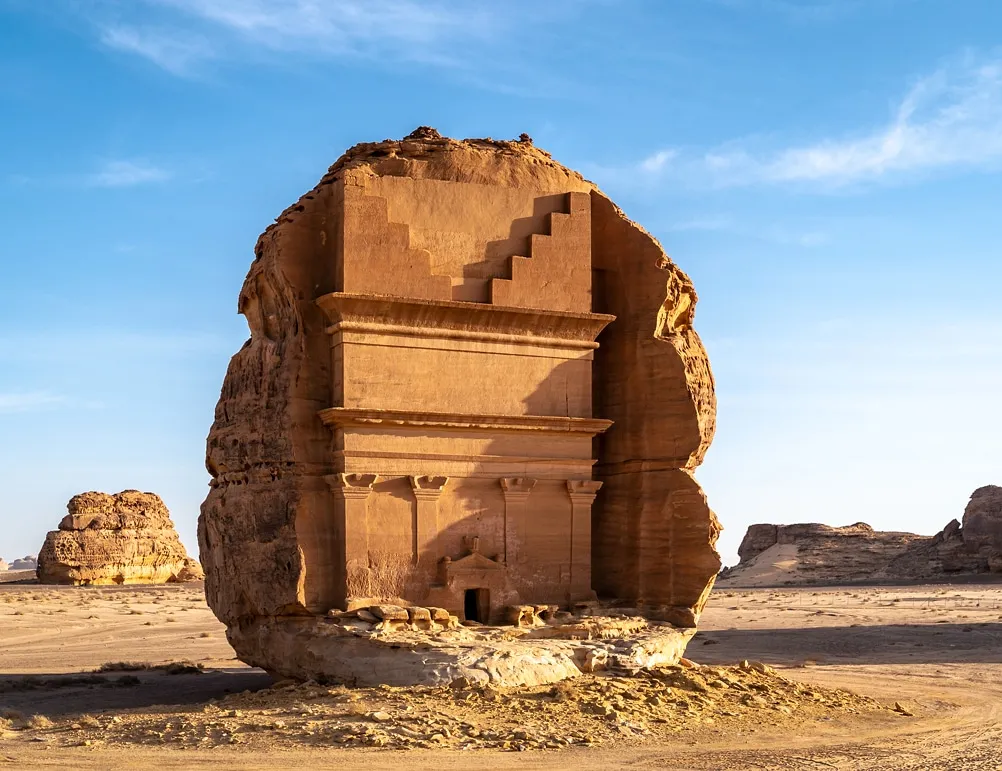
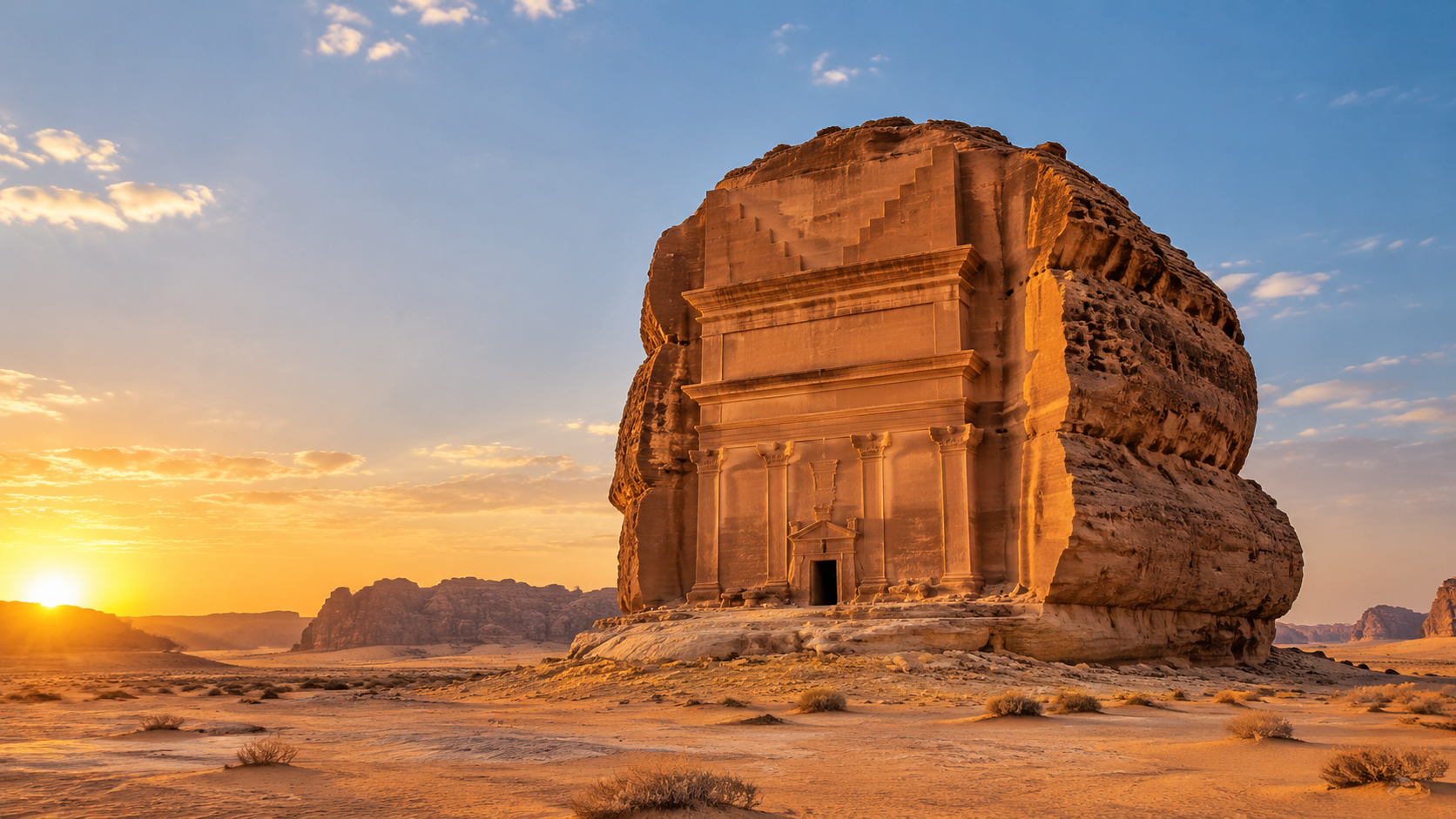
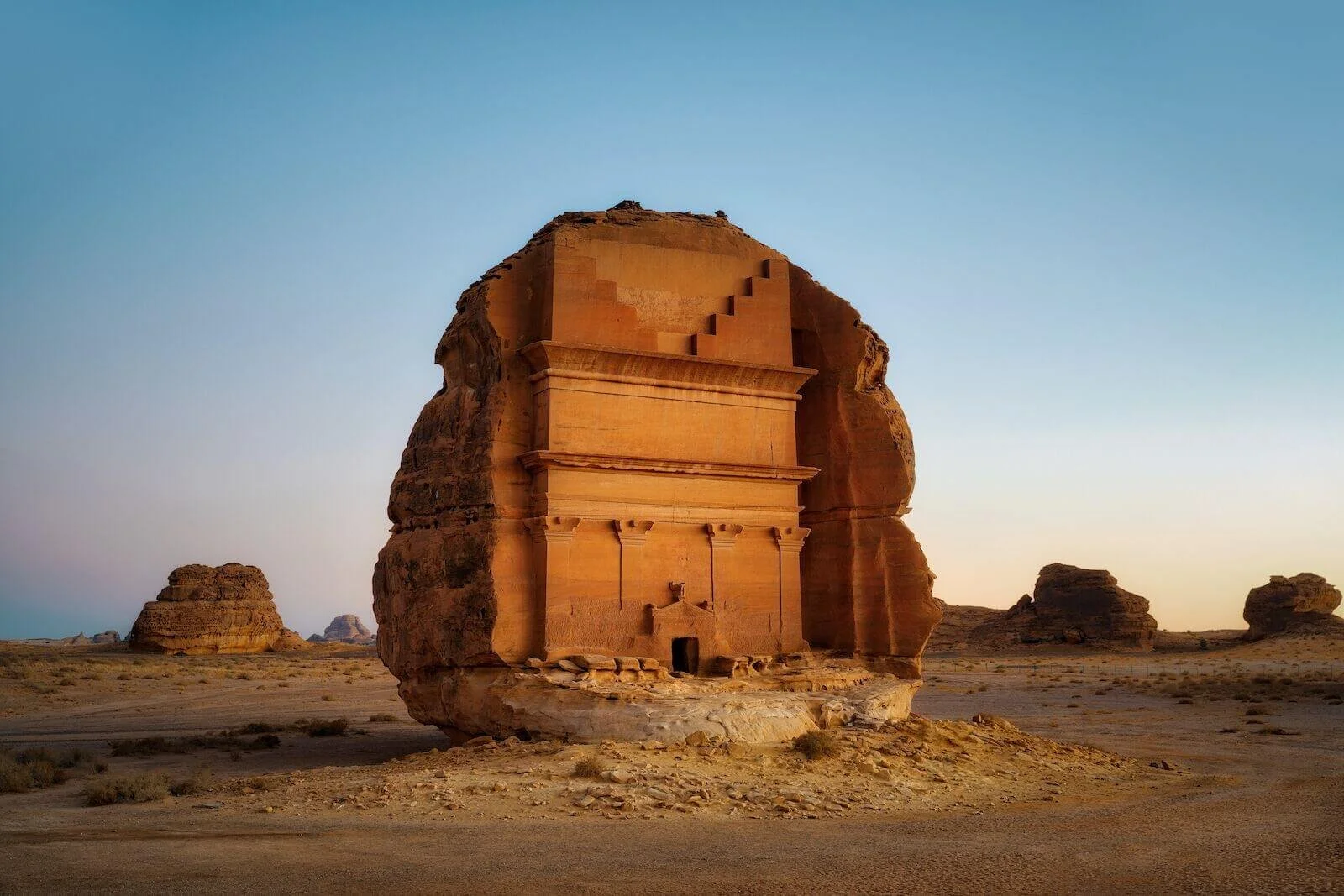
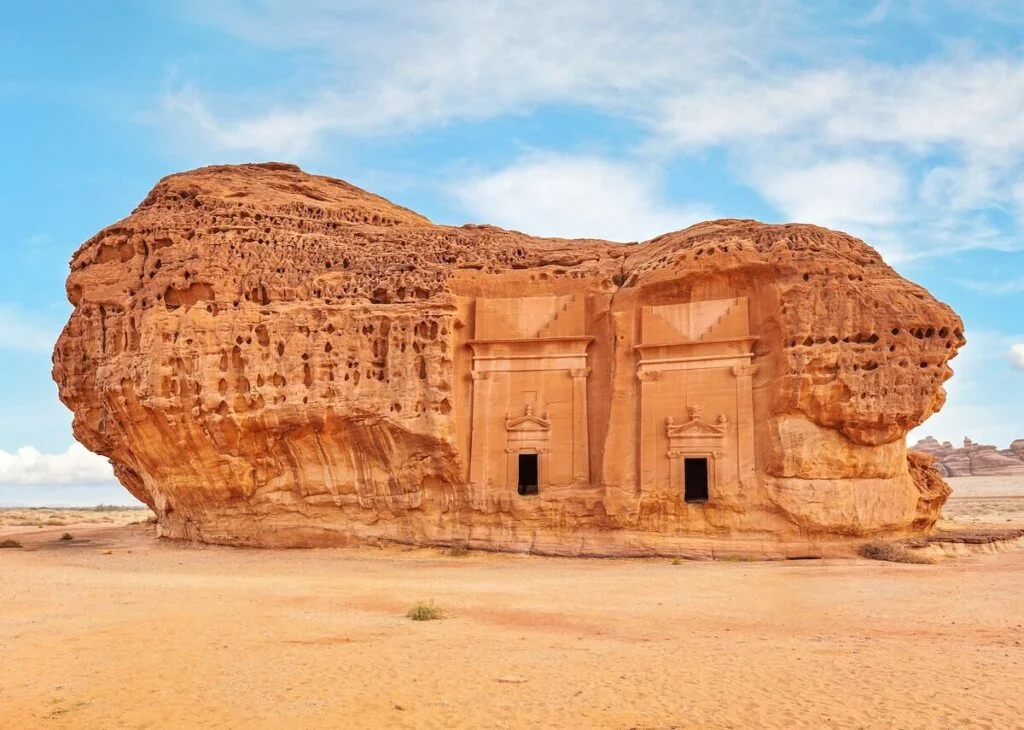
A monumental, unfinished tomb carved into a solitary sandstone rock, known as the 'Lonely Castle'.
A former religious and political center featuring the Diwan, a large rectangular chamber carved into the mountain.
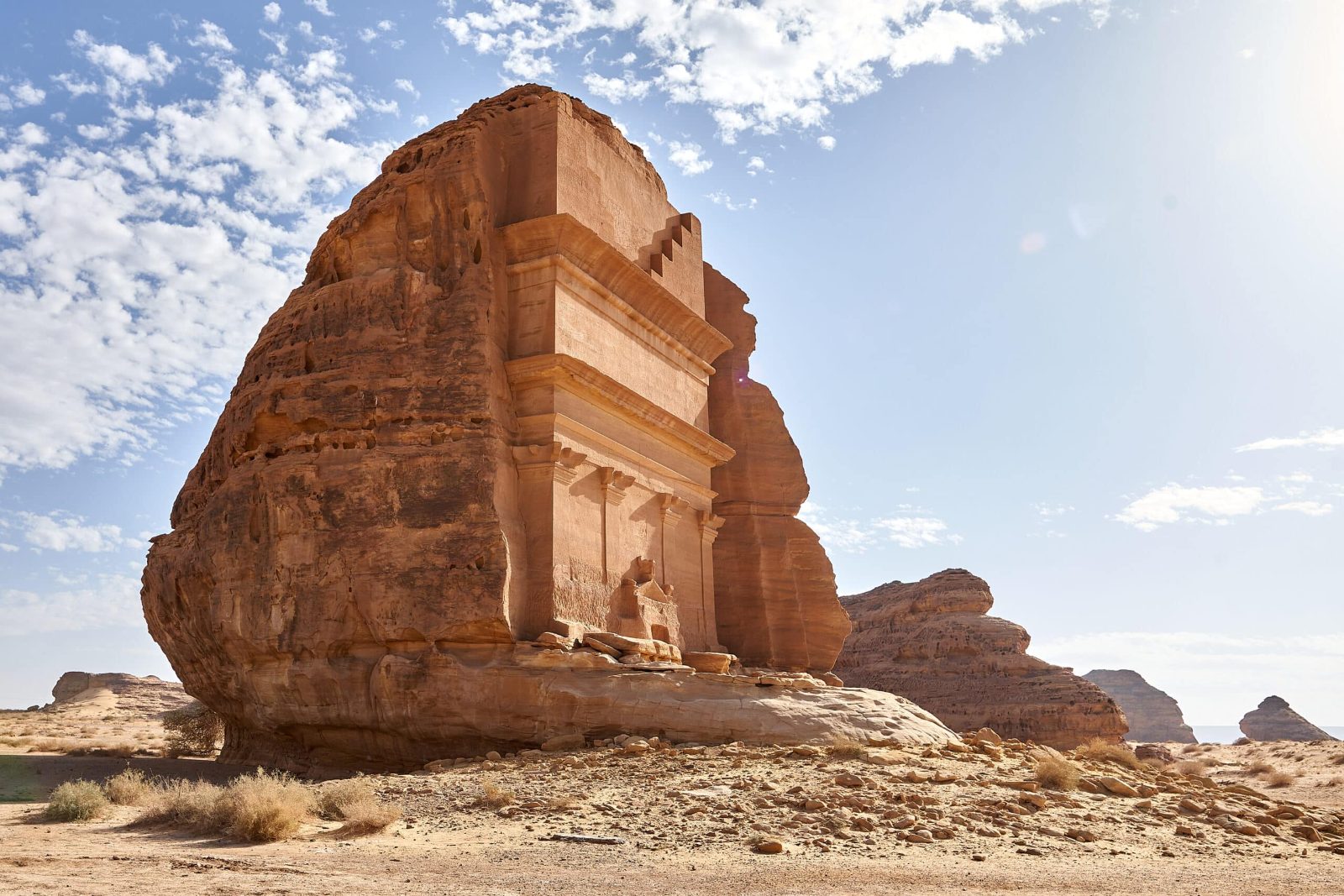
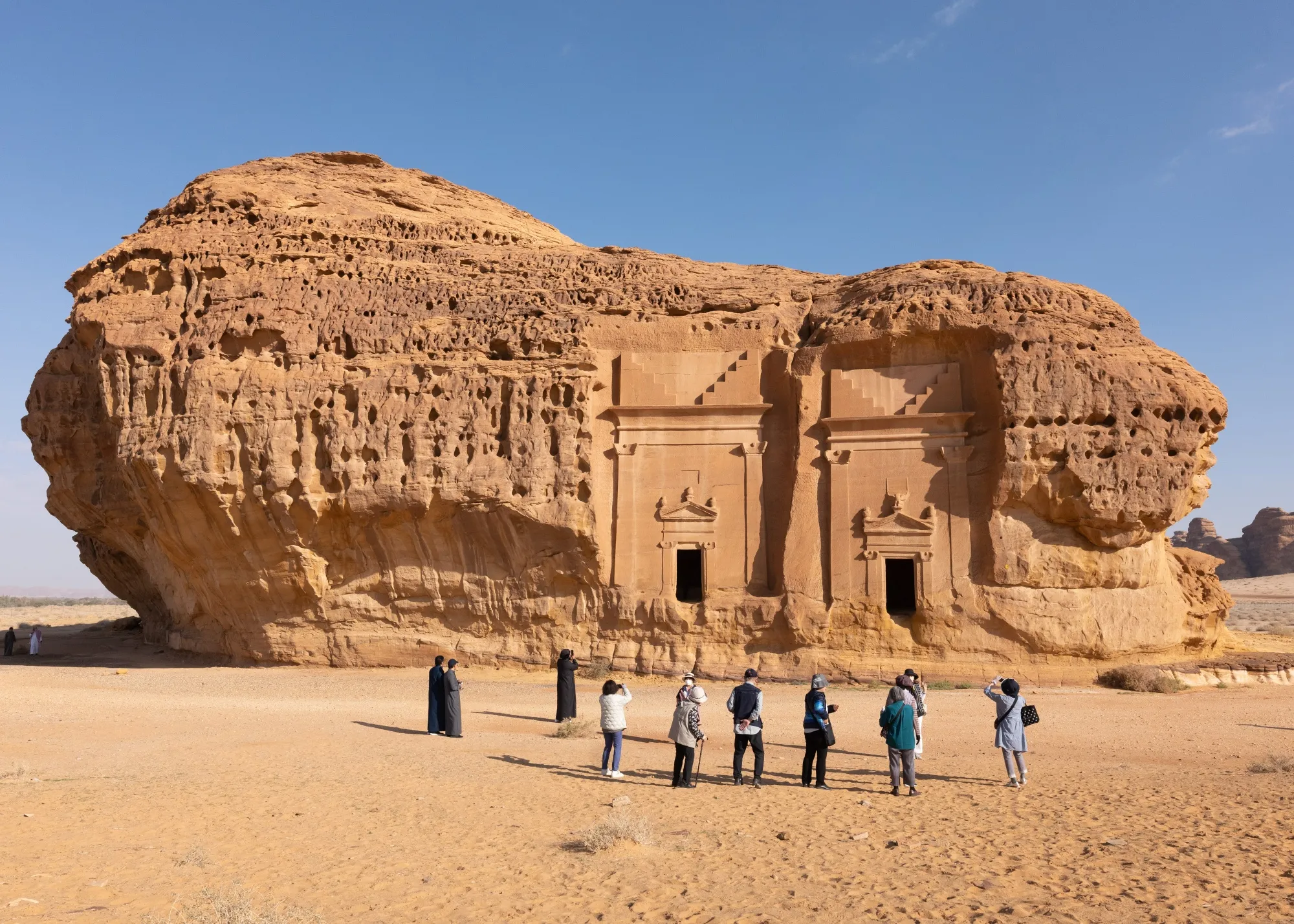
The largest and most iconic tomb in the site, showcasing intricate craftsmanship.
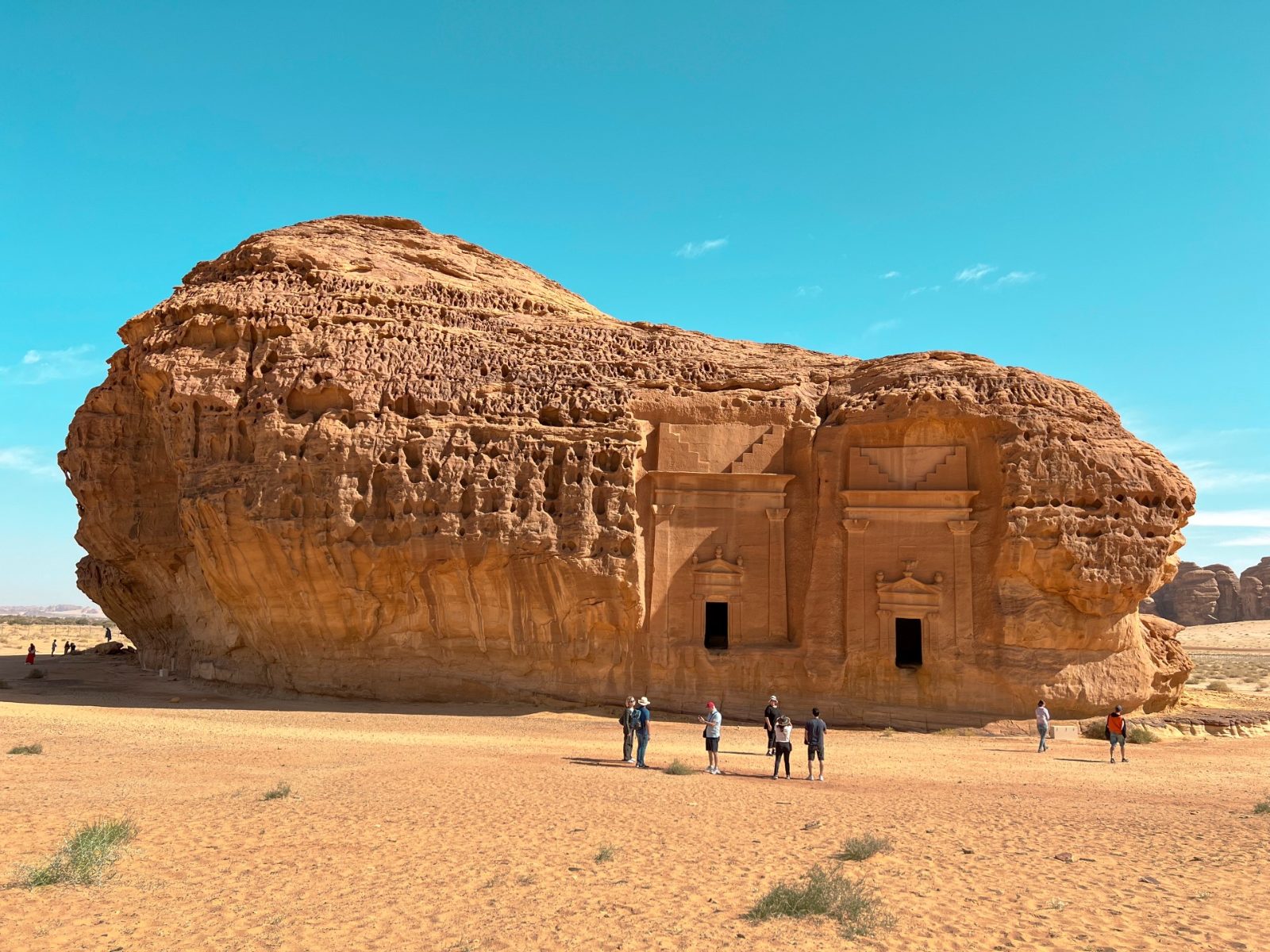
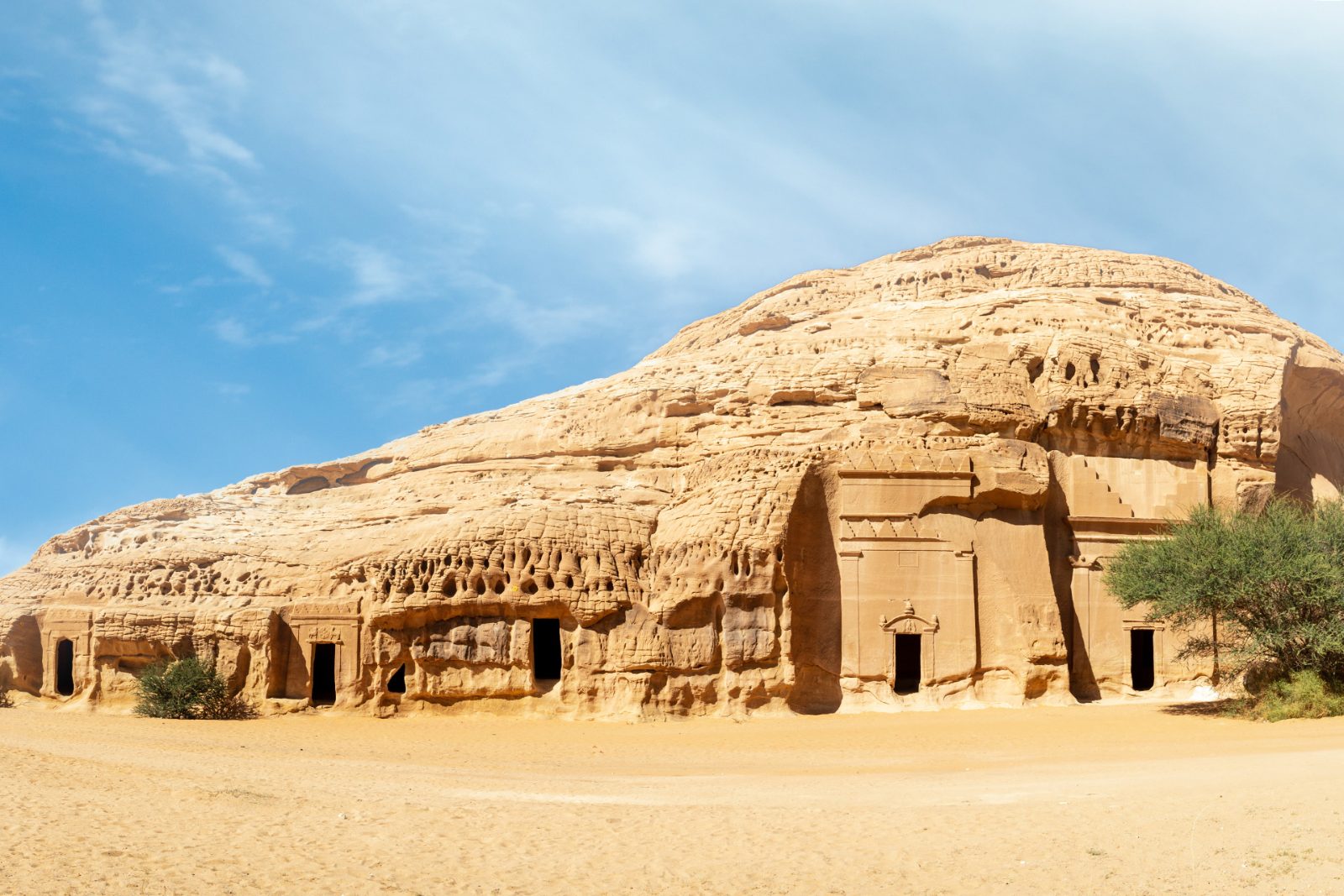
A vast collection of over 110 well-preserved tombs, many with detailed decorative facades.
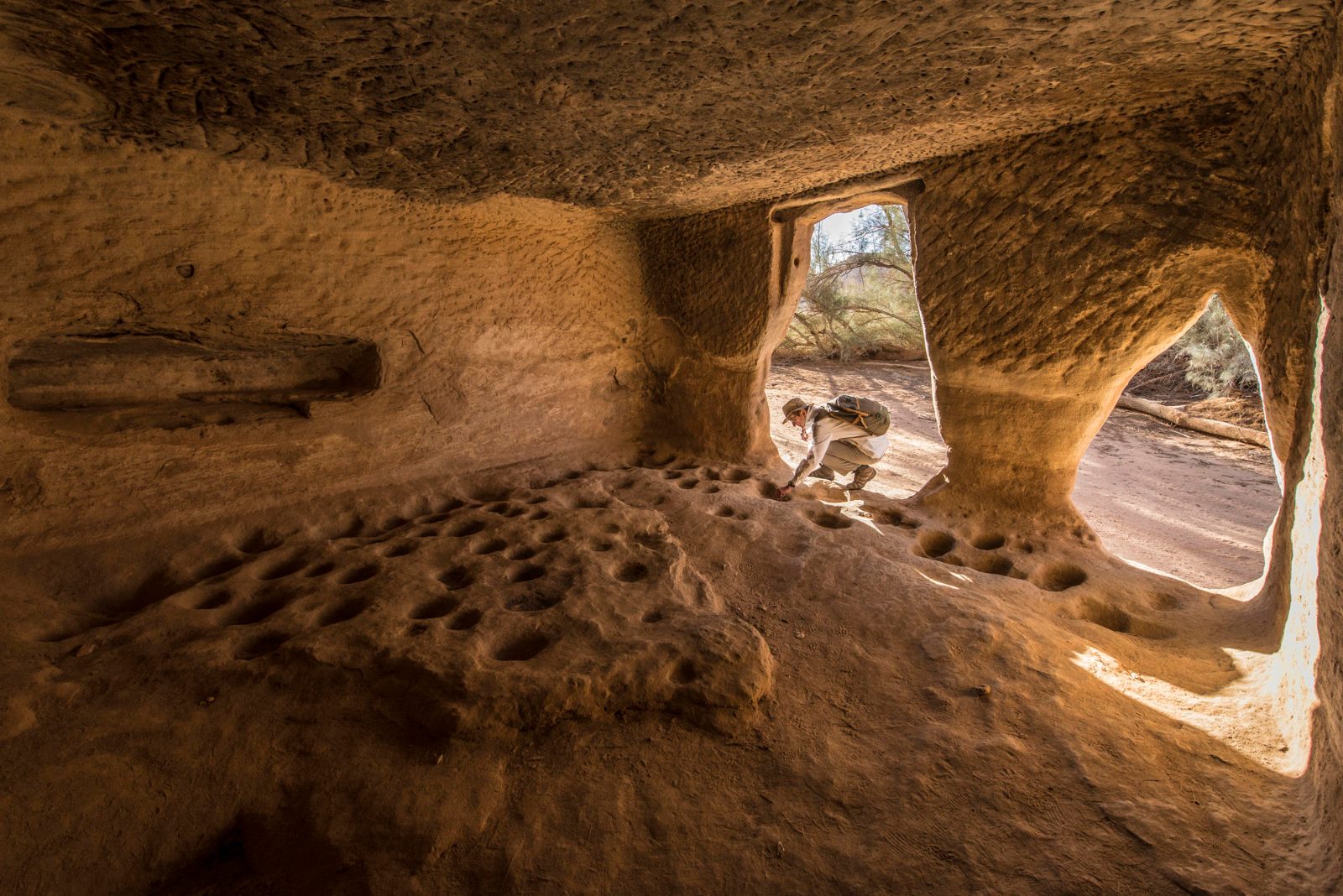
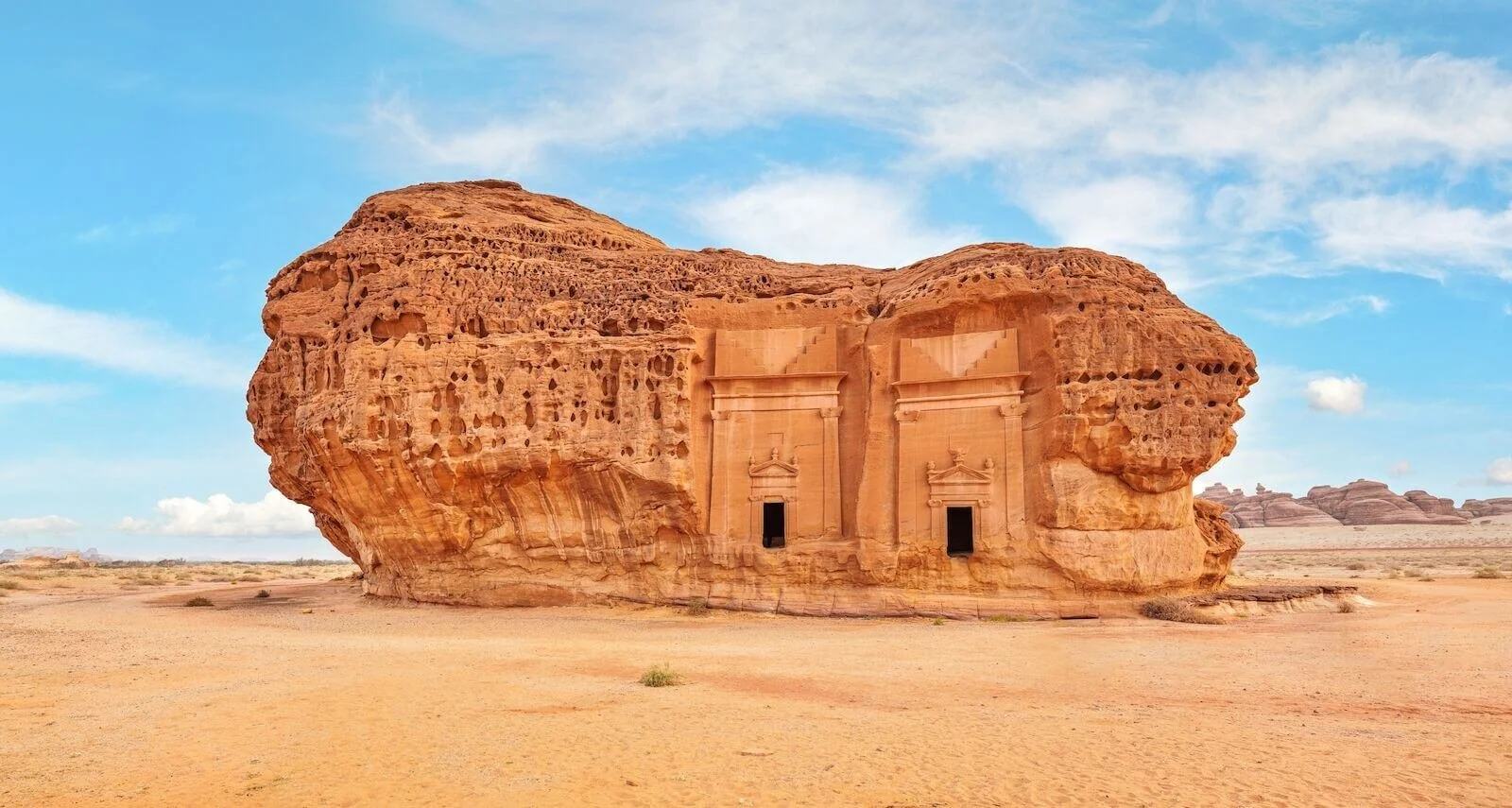
A distinct outcrop marking one of the primary archaeological stops within the site.
You depart Madinah in the early morning, crossing three hours of volcanic harrat and acacia scrubland before the sandstone massifs of AlUla appear on the western horizon.
Your driver enters the Hegra archaeological zone through a checkpoint where rangers verify your pre-booked ticket and assign a guide for the mandatory two-hour circuit. You board an open-air shuttle that winds through the desert, stopping first at Qasr al-Farid, where you stand at the base of the unfinished tomb and trace Nabataean chisel marks still visible in the stone.
The guide walks you through the Jabal Ithlib outcrop, pointing out water channels carved into vertical rock faces and a trilingual inscription warning against tomb desecration. You pause inside a tomb chamber cooled by thick sandstone walls, noting how the ceiling curves inward to shed rainwater. At the Diwan, a rock-cut banquet hall open to the sky, you learn that Nabataean elites hosted feasts here to honor the dead, pouring wine libations into stone basins carved at knee height. The circuit ends at the Hijaz Railway station, where Ottoman-era locomotives rust beside the platform, relics of Lawrence of Arabia's guerrilla campaign during the First World War. You return to Madinah by mid-afternoon, the desert emptying behind you.
All the details about your upcoming adventure in one place
Hegra holds 111 monumental tombs carved by Nabataean masons between the first century BCE and the first century CE, each façade inscribed with the occupant's name, lineage, and the stonemason's fee.
The site served as the southern capital of the Nabataean Kingdom, a trading civilization that controlled frankincense and myrrh routes stretching from Petra to the Arabian Gulf. In 2008, Hegra became Saudi Arabia's first property inscribed on the UNESCO World Heritage List, recognized for its exceptional preservation of Nabataean funerary architecture and hydraulic engineering.
The largest tomb, Qasr al-Farid, rises thirteen meters from the desert floor, its columns and pediment left incomplete when the kingdom fell to Roman annexation in 106 CE. Unlike Petra's rose-red sandstone, Hegra's monuments are carved from pale ochre rock, their surfaces bearing Nabataean, Thamudic, Greek, and Latin inscriptions that document two centuries of trade negotiation and cultural exchange. The site remained largely unexcavated until the Saudi government opened AlUla to international tourism in 2019, prioritizing conservation alongside controlled access.
Regional departures connect Madinah with the archaeological zone through a three-hour overland route across the Hejaz plateau. The 95 SAR conservation fee includes mandatory guided access, preventing independent entry to protect the fragile sandstone from erosion and graffiti. Tour protocols limit daily visitor numbers and restrict photography inside tomb chambers, where humidity from breath accelerates mineral leaching. The Hegra Visitor Centre, designed by French firm Ateliers Jean Nouvel, uses rammed earth construction and subterranean galleries to minimize visual impact on the desert horizon.
Archaeologists have mapped over 130 wells and cisterns across the fifteen-square-kilometer site, evidence of a sophisticated water management system that sustained a population of several thousand in one of the driest regions of the Arabian Peninsula. Inscriptions reference a Nabataean priestess, Hinat bint Wahbu, and wealthy merchants who commissioned tombs decades before their deaths, treating funerary architecture as social currency. The ruins occupy a former caravan junction where the incense road split toward Gaza and Damascus, positioning Hegra as a logistical and financial hub in an empire built on commodity control.

Hegra holds 111 monumental tombs carved by Nabataean masons between the first century BCE and the first century CE, each façade inscribed with the occupant's name, lineage, and the stonemason's fee.
Dress respectfully as this is a significant cultural site. Modest clothing that covers shoulders and knees is recommended for all guests.
Standard security checks are in place at the Hegra Visitor Centre. Large bags are discouraged as there is no storage available.
Photography is permitted for personal use, but visitors must respect the sanctity of the tombs. Do not touch or climb on any archaeological structures.
Families are welcome, though the two-hour duration of a standard hegra tour from madinah requires children to be able to walk on uneven paths. All visitors, including children, must have a valid ticket.
The site is not suitable for wheelchairs or strollers due to the sandy and uneven natural desert terrain. Expect significant walking between tomb stops during your hegra tour from madinah.
Outside food is not permitted within the archaeological site. Bottled water is typically provided on tours; visitors should bring their own reusable bottles for the heat.
Opening hours
Sun-Mon 06:30-18:00, Tue-Sat 06:30-20:30
Address
Hegra Visitor Centre, AlUla, Saudi Arabia
Accessibility
Guided coach tours only; terrain not wheelchair accessible
Best arrival
06:30–10:00 to avoid heat and crowds
Storage
Not available; travel light
Site access
Advanced booking required for all tours
All bookings for a hegra tour from madinah must be managed through the official site. Changes or cancellations are subject to the specific terms provided at the time of booking, which often include non-refundable conditions for last-minute adjustments.
Recommended time
2-3 hours
Planning a hegra tour from madinah requires accounting for the site's expansive nature and the mandatory guided transportation between Nabataean tombs. Visitors typically spend 2-3 hours exploring these desert landmarks, though adding extra time is recommended if you prefer a slower pace at the monolithic facades. Choosing the right hegra tour from madinah tour allows you to navigate the site efficiently, as early access remains the most effective strategy for managing crowd density. Secure your hegra tour from madinah tickets in advance to ensure availability, especially if you plan to explore the archeological site during peak morning hours.
Crowd levels through the day
The Nabataean Kingdom established Hegra—ancient Mada'in Salih—as its second-largest city after Petra during the first century BCE. Caravan routes linking the Arabian Peninsula with Mediterranean markets converged here, transforming the oasis into a critical node for frankincense and myrrh trade. Between 1 CE and 75 CE, Nabataean stonemasons carved 111 monumental tombs directly into the sandstone outcrops surrounding the settlement. These facades employed Hellenistic architectural vocabulary—pediments, pilasters, and cornices—adapted to local aesthetic preferences and desert conditions. Inscriptions above tomb entrances recorded the names of wealthy merchants and their families, establishing legal ownership under Nabataean custom. The largest tomb, Qasr al-Farid, stands 22 meters tall and remains unfinished, its lower courses still bearing tool marks from interrupted construction work. Roman annexation in 106 CE redirected trade toward Red Sea ports, diminishing Hegra's commercial importance within two generations. The site retained a small garrison until the third century, then entered gradual abandonment as water management systems deteriorated. Islamic-era travelers recorded the ruins as a cautionary tale, linking them to Quranic narratives about the Thamud people. Ottoman railway engineers surveyed the area in 1907 during construction of the Hejaz Railway, documenting the tombs but undertaking no excavation. French archaeologists conducted the first systematic survey in 1968, mapping tomb distribution and recording deteriorating inscriptions. Saudi authorities restricted access for four decades while developing conservation protocols. UNESCO designated Hegra as Saudi Arabia's first World Heritage Site in 2008, catalyzing infrastructure investment and archaeological research. The Royal Commission for AlUla initiated comprehensive site stabilization in 2019, installing climate monitoring equipment inside select tombs and restricting visitor access to designated pathways. Today, hegra tour from madinah options include required guided circuits that interpret tomb iconography and Nabataean hydraulic engineering. The 95 SAR conservation fee funds ongoing restoration of inscribed lintels and structural reinforcement of carved facades. Visitors walking through Jabal Ithlib's sacred precinct encounter water channels, cultic niches, and a triclinium—evidence of ritual banquets held two millennia ago alongside the incense road.
Nabataeans establish Hegra as a fortified caravan city along the incense trade route
Stonemasons carve 111 monumental tombs into sandstone cliffs with Hellenistic-inspired facades
Roman Empire annexes the Nabataean Kingdom, redirecting trade and diminishing Hegra's economic role
Ottoman engineers document the ruins during Hejaz Railway construction through the region
UNESCO inscribes Hegra as Saudi Arabia's first World Heritage Site
Royal Commission for AlUla launches conservation program with guided-access protocols
Hegra tour from madinah tours operate daily with 95 SAR fees supporting site preservation
Position yourself on the sandy plain directly in front of this solitary, unfinished Nabataean tomb to capture the scale of its four-story facade against the desert horizon. This is the most iconic composition for those joining a hegra tour from madinah.
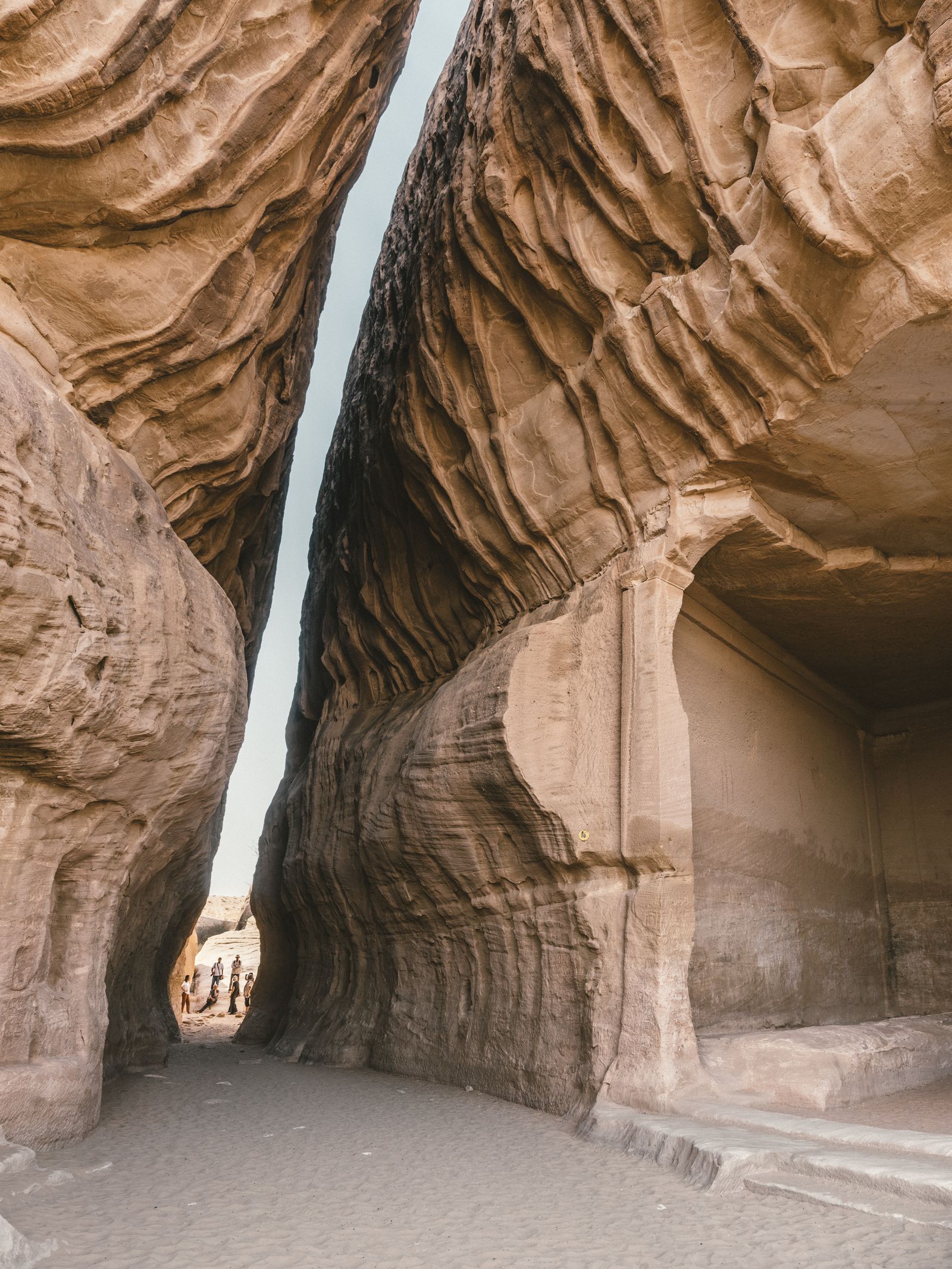
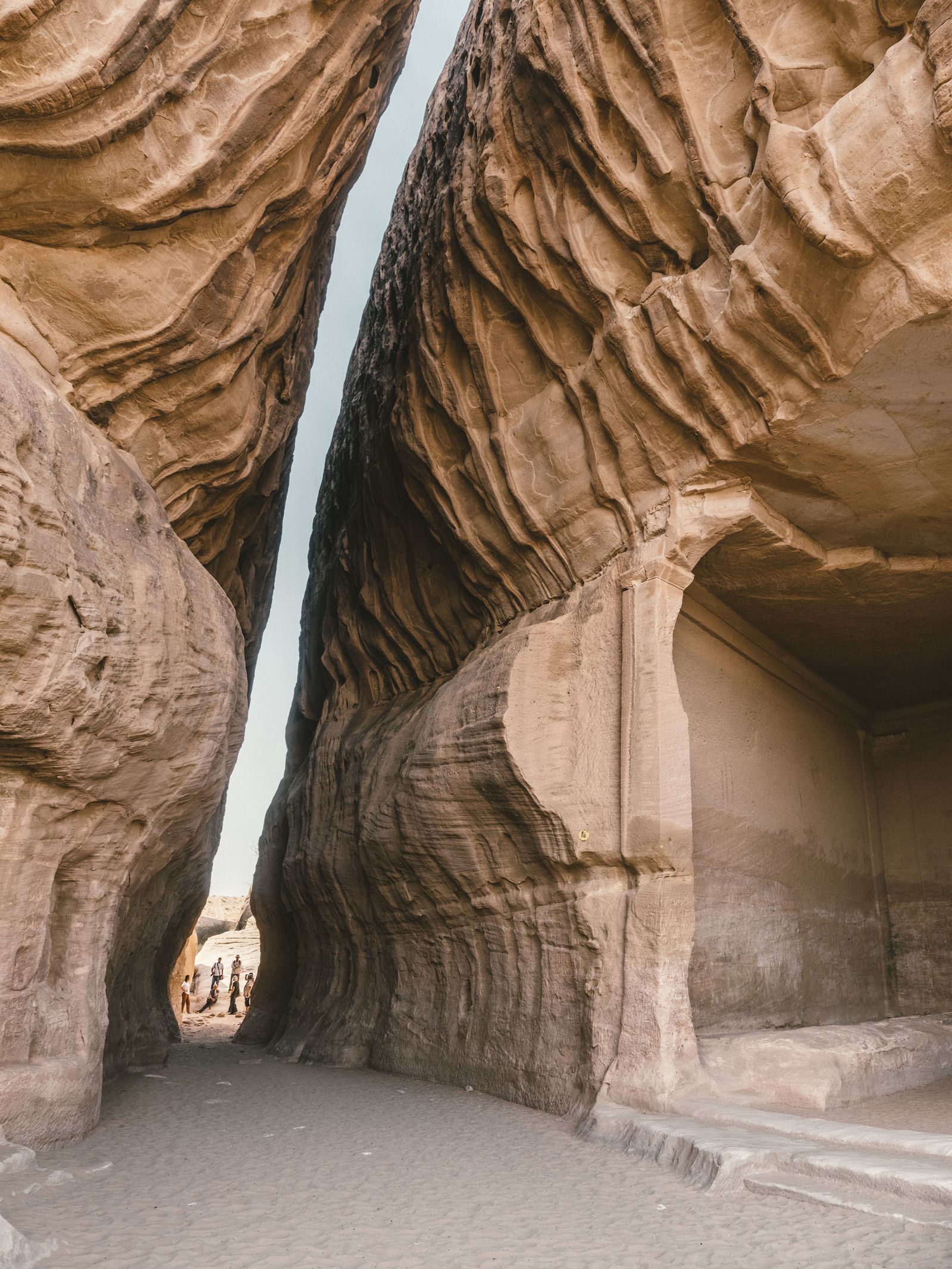
Walk into the natural Siq, a narrow canyon, to frame the dramatic rock formations and ancient carved chambers. The interplay of shadows on the sandstone walls provides a high-contrast environment for architectural photography.
Stand at the base of this massive structure to photograph the intricate details of the facade rising toward the sky. Using a wide-angle lens helps capture the full height of the monument within this UNESCO heritage site.
Focus on the northern cluster of tombs where the rock art and inscriptions are most dense. This vantage point offers a detailed perspective on the burial complexes that defined the ancient Madain Salih tours.
Planning a hegra tour from madinah provides a rare look at ancient Nabataean rock-cut tombs, though the desert landscape requires careful preparation for younger family members. While the site is a fascinating UNESCO heritage landmark, the terrain and heat make strategic timing essential for a comfortable experience.
The site is not suitable for strollers or wheelchairs due to uneven desert surfaces and sandy terrain, so a supportive baby carrier is recommended.
There are no dedicated baby-change facilities in the archaeological zone; ensure you are prepared with all necessary supplies before arriving at the Hegra Visitor Centre.
The guided coach transportation helps manage movement between sites, but children may tire easily, so consider scheduling your hegra tour from madinah during the best arrival window of 06:30–10:00 to avoid the midday sun.
Pack plenty of water and portable snacks for the duration of your visit, as dining options are limited within the protected archaeological area.
Children aged four and under can participate in the hegra tour from madinah tickets without an additional charge, though young visitors often benefit from a flexible, relaxed pace to absorb the scale of the sandstone monuments.
Dining options are concentrated at the Hegra Visitor Centre, providing essential refreshment after completing a hegra tour from madinah. While these sites offer convenient snacks, visitors planning a longer hegra tour from madinah tour often prefer exploring local cafes in nearby AlUla for a full meal.
Offers light refreshments, coffee, and pastries, perfect for a quick pause after your hegra tour from madinah tickets. It provides shaded seating in a quiet atmosphere away from the sun.
Located in the vicinity, this spot serves desserts and light savory items. It is a reliable choice for guests who want to relax after exploring the Nabataean tombs and UNESCO heritage site.
Everything you need to know for your journey
You must book your hegra tour from madinah in advance via the official Experience AlUla website to secure a spot.
The entrance fee is 95 SAR, which is a conservation fee per person that includes the required guided tour and site access.
No, Hegra is a regulated UNESCO site and requires advance booking; tickets are not available for purchase at the door.
The Hegra Visitor Centre is open Sun & Mon 06:30–18:00 and Tue–Sat 06:30–20:30.
Yes, a hegra tour from madinah is possible as a long day trip (approx. 3.5–4.5 hours each way), but booking early is essential.
Yes, because Hegra is a protected UNESCO World Heritage Site, you must be accompanied by an official Rawi guide at all times.
The best arrival window is 06:30–10:00 to avoid the midday heat and large tour crowds.
Yes, all ages are welcome on a hegra tour from madinah, provided they can navigate the uneven terrain of the desert site.
There are limited dining amenities at the visitor centre; it is best to eat in AlUla before or after your tour.
Join thousands of happy travelers who have discovered this incredible experience
Book Your Experience Now