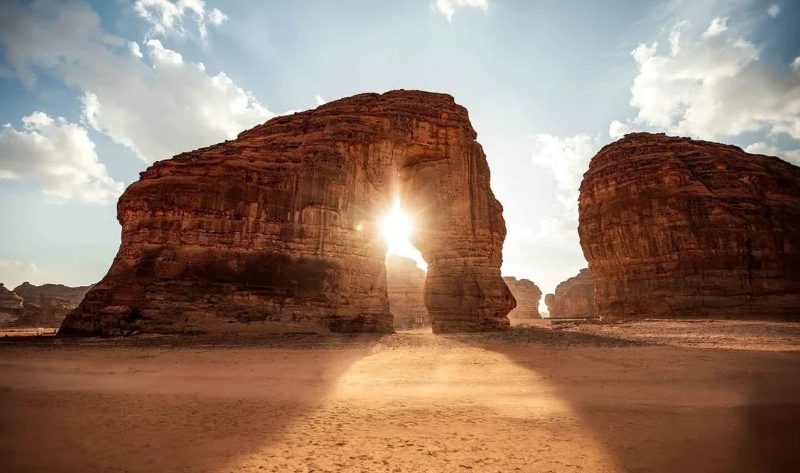
3 hr
Hegra UNESCO Heritage Site Tour from AlUla
- Entry ticket
- Mobile voucher
- Valid same day
- Free cancellation
Hegra Private Tour — Exclusive UNESCO Access
Personalized exploration of Arabia's first World Heritage Site, Nabataean tombs revealed at your pace
Compare fares, pick the fit — all bookings are mobile-voucher and eligible for free cancellation where shown.
3 hr
7 hr
3 hr
Choosing a hegra private tour allows for a more personalized exploration of the ancient Nabataean site and its monumental tombs. Whether you seek a standard heritage experience or a premium 4x4 excursion, selecting the right visit type ensures you get the most out of this UNESCO heritage landmark.
| Day Tour (Shared Coach) |
Top pick Premium Tour (4x4 Vehicle) |
|
|---|---|---|
| Duration | 2–3 hours | 2 hours |
| Group Size | Up to 30 travelers | Up to 7 guests |
| Transport Type | Luxury coach | Premium 4x4 vehicle |
| Key Included Feature | Rawi storytelling | Private Rawi and Ranger |
| Best for | Budget-conscious visitors | Exclusive site exploration |
| See tickets & prices |
Verdict: For those prioritizing comfort and flexibility, our premium hegra private tour tours offer a more intimate look at the historical carvings compared to the standard coach-based hegra private tour tickets.
Worth it for heritage enthusiasts seeking depth
A hegra private tour delivers what group visits cannot: dedicated access to one of Arabia's most significant archaeological sites with a specialist guide who tailors the narrative to your interests. The 95 SAR conservation fee applies to all visitors, so the premium you pay covers the exclusivity and expertise. Private options like the Hegra UNESCO Heritage Site Tour from AlUla or the AlUla Cultural Experience provide unrushed exploration of Nabataean tombs, ancient inscriptions, and architectural details that group schedules often gloss over. For travelers who value learning over box-ticking, the investment pays off in understanding the site's role as a southern Nabataean capital and its UNESCO recognition. Guides trained in archaeology and regional history transform sandstone facades into narratives about trade routes, burial customs, and desert engineering. If you're content with surface-level photography and basic signage, standard access suffices. But for context that brings 2,000-year-old tombs to life, private hegra private tour tours justify the additional cost through depth and pacing control.
Bottom line: Choose private if heritage context matters more than simply seeing the tombs, skip if you're satisfied with self-guided exploration and interpretive signage.
They complement each other; most visitors who do both call the Hegra private tour the more visually spectacular experience, while the Dadan and Jabal Ikmah tour offers deeper archaeological insight.
|
Top pick Hegra |
Dadan & Jabal Ikmah | |
|---|---|---|
| Focus | Nabataean monumental tombs | Lihyanite ruins and inscriptions |
| Primary Activity | Desert landscape tomb viewing | Ancient script and petroglyph study |
| Duration | 2–3 hours | 2 hours |
| Price | 95 SAR (conservation fee) | From 60 SAR per person |
| History Depth | Nabataean civilization focus | Dadanite and Lihyanite history |
| Best Time | Early morning (06:30–09:00) | Available year-round |
| See tickets & prices |
Verdict: Choose the hegra private tour if you prioritize iconic, large-scale architecture, but book the Dadan and Jabal Ikmah tour to explore one of the world's most extensive open-air libraries of ancient inscriptions with your hegra private tour tickets.
Hand-picked experiences loved by thousands of travelers
6 hours
Free Cancellation
Journey through ancient Nabataean ruins, historic mud-brick villages, and desert rock formations
8 hours
Free Cancellation
Journey through ancient Nabataean tombs, desert rock formations, and the world's largest mirrored structure
8 hours
Free Cancellation
Full-day private journey through AlUla's UNESCO site, historic oasis, and desert landmarks with local guide
2 hours
Free Cancellation
Journey through AlUla's pristine nature reserve spotting native wildlife and ancient rock art from a safari vehicle
2 hours 30 minutes
Free Cancellation
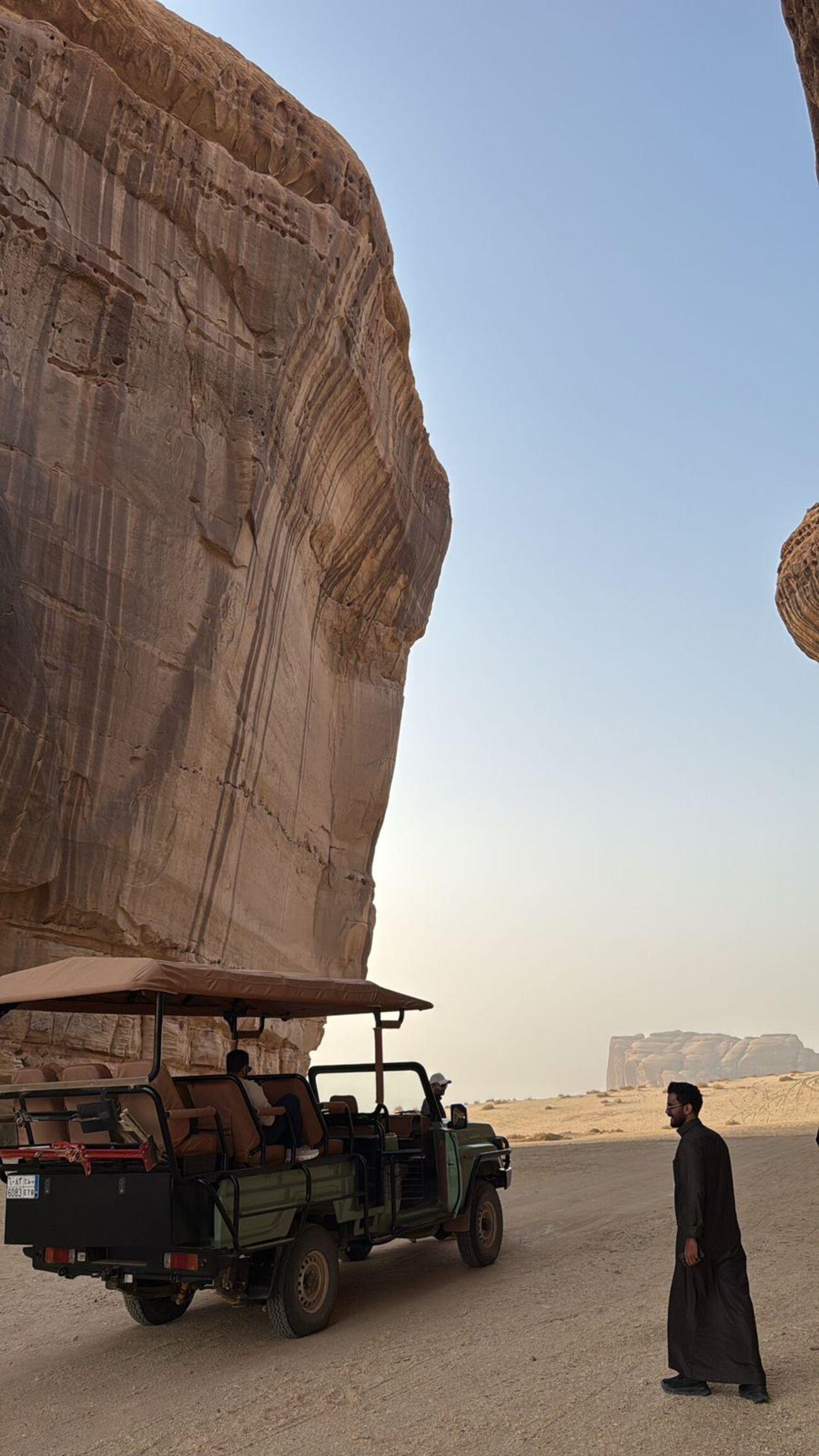
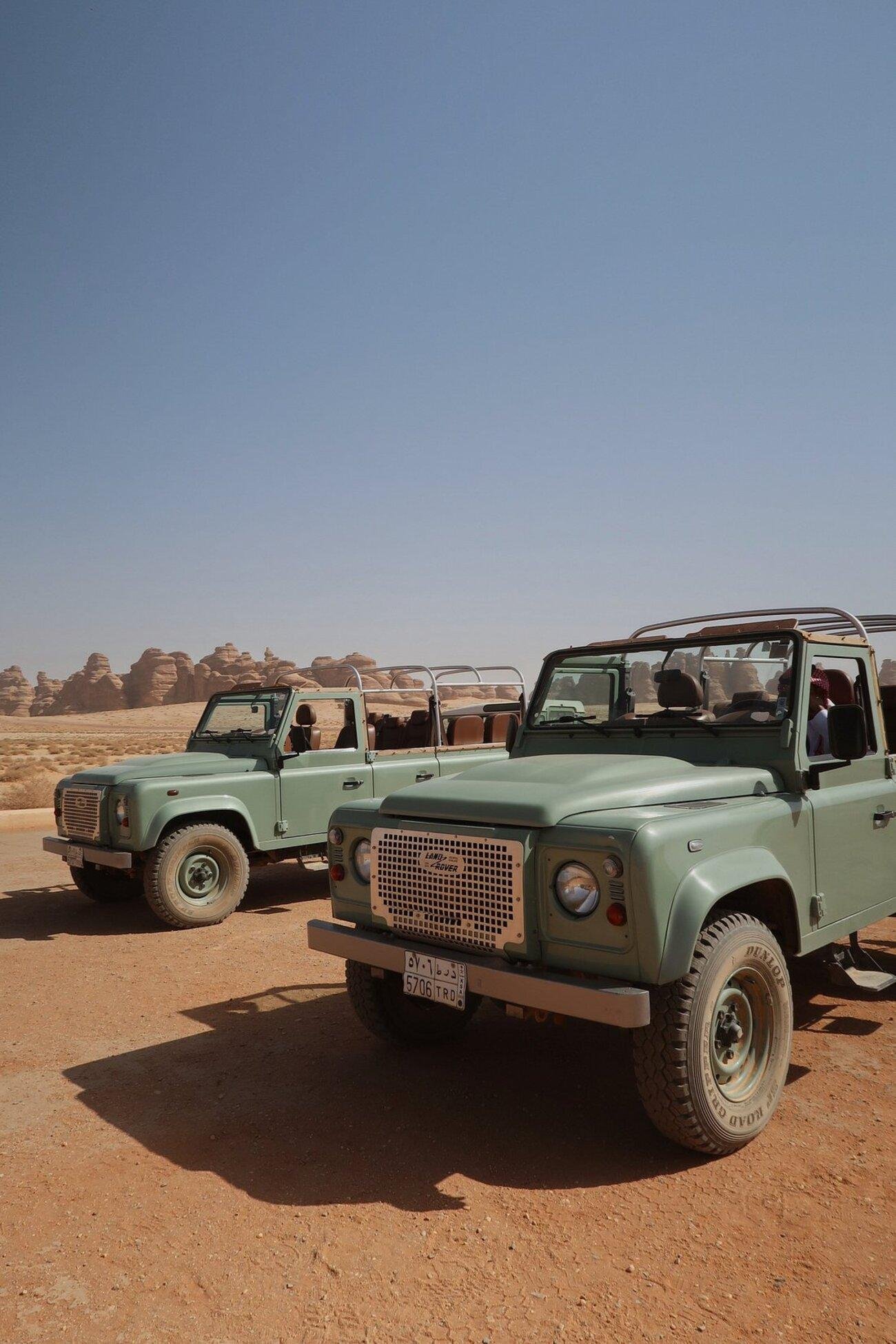
Journey through Saudi Arabia's first UNESCO site in a vintage 4x4 with expert local guidance
8 hours
Free Cancellation
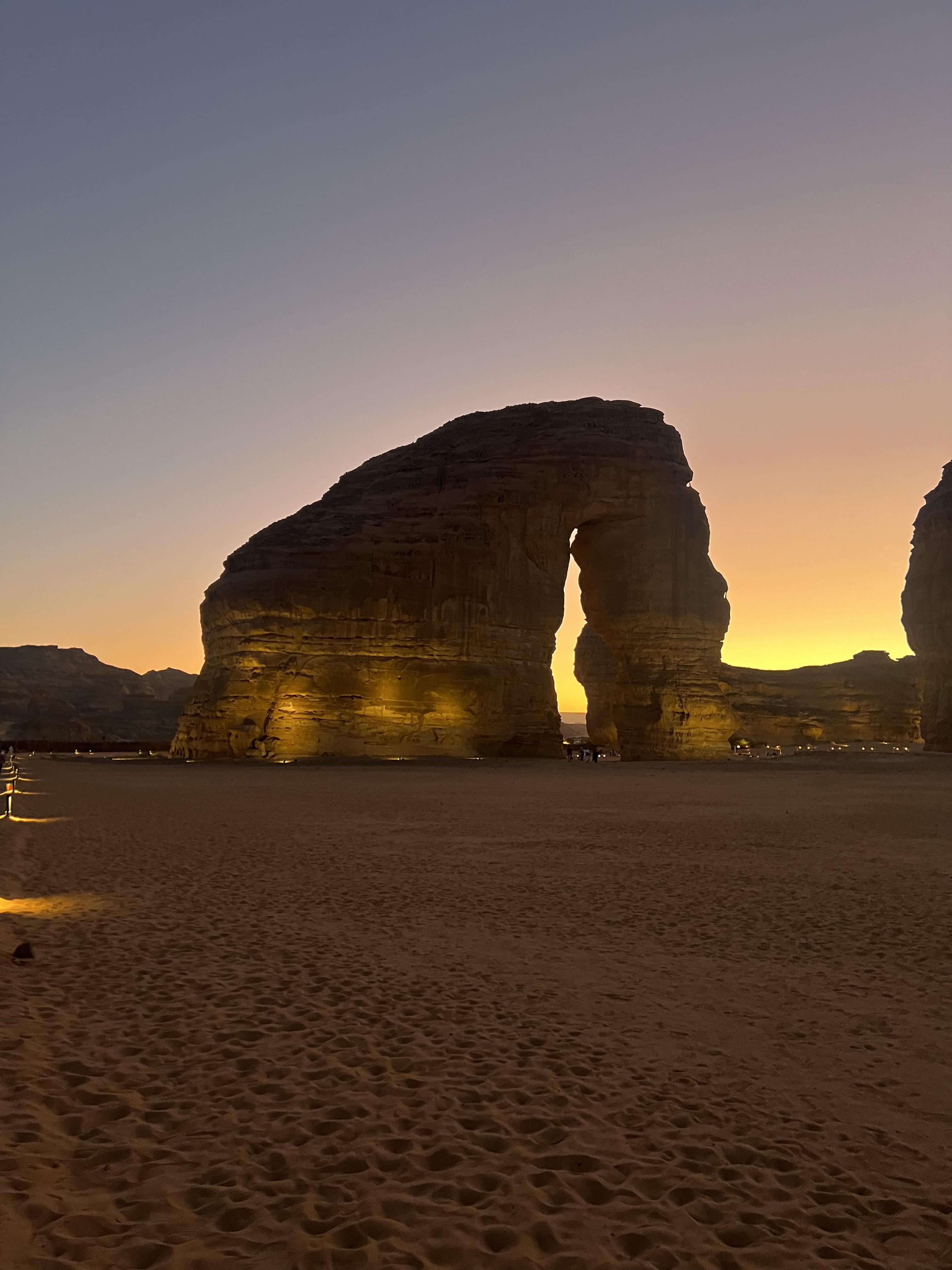
Discover ancient Nabataean tombs, royal inscriptions, desert oases, and sunset at Elephant Rock in one day
6 hours
Free Cancellation
Explore Saudi Arabia's first UNESCO site and ancient Nabataean wonders on this comprehensive day tour
6 hours
Free Cancellation
Explore Saudi Arabia's first UNESCO site and a medieval pilgrimage town with private door-to-door transport
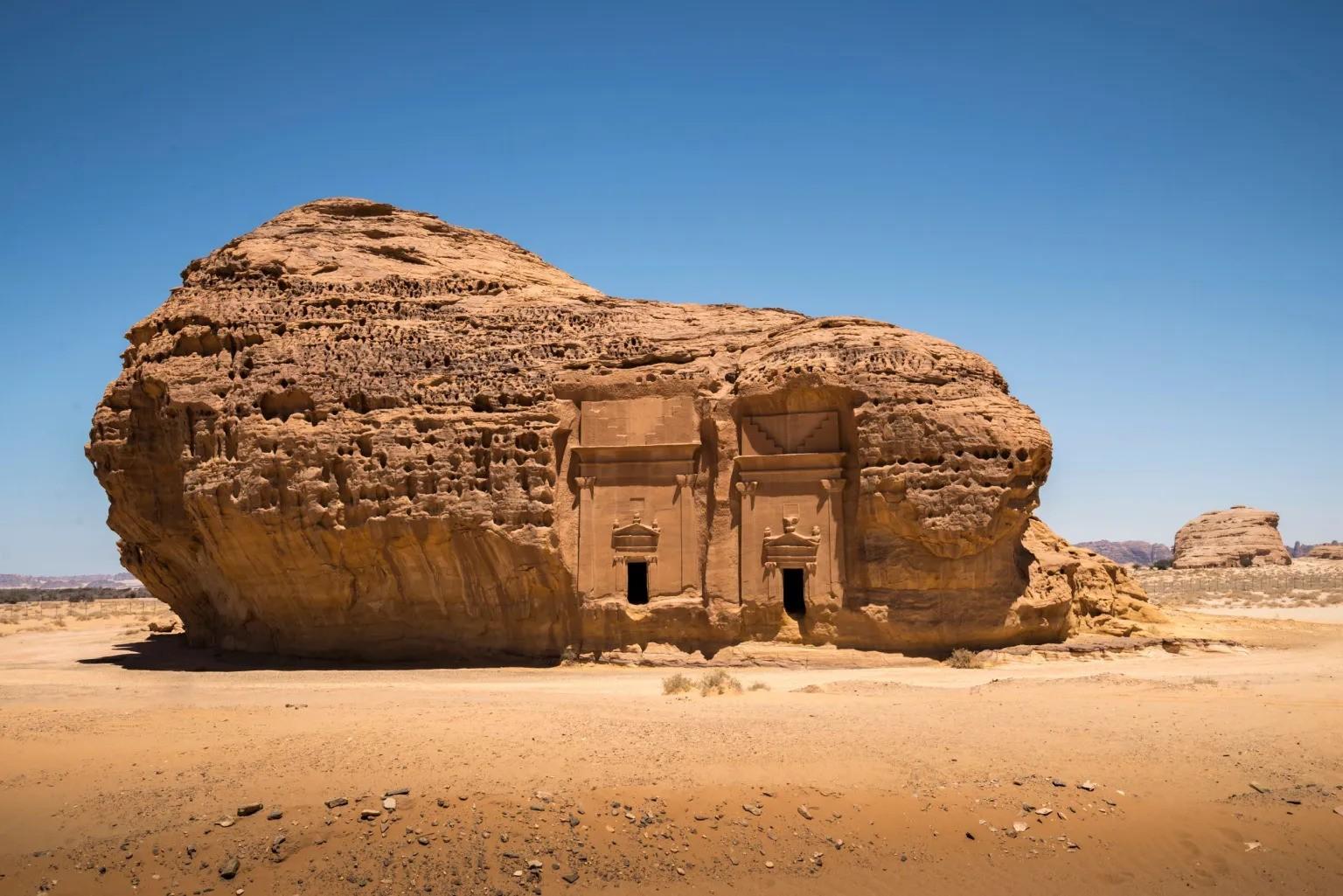
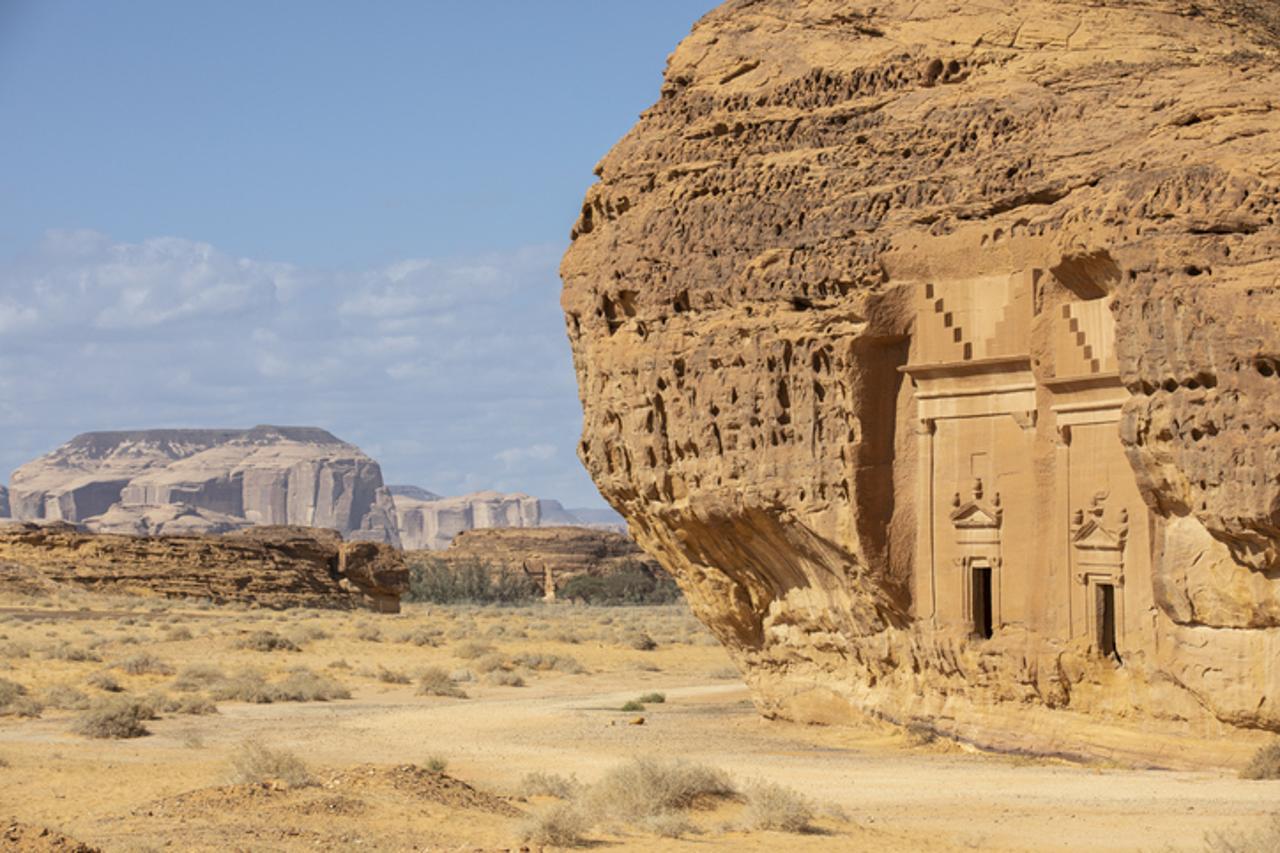
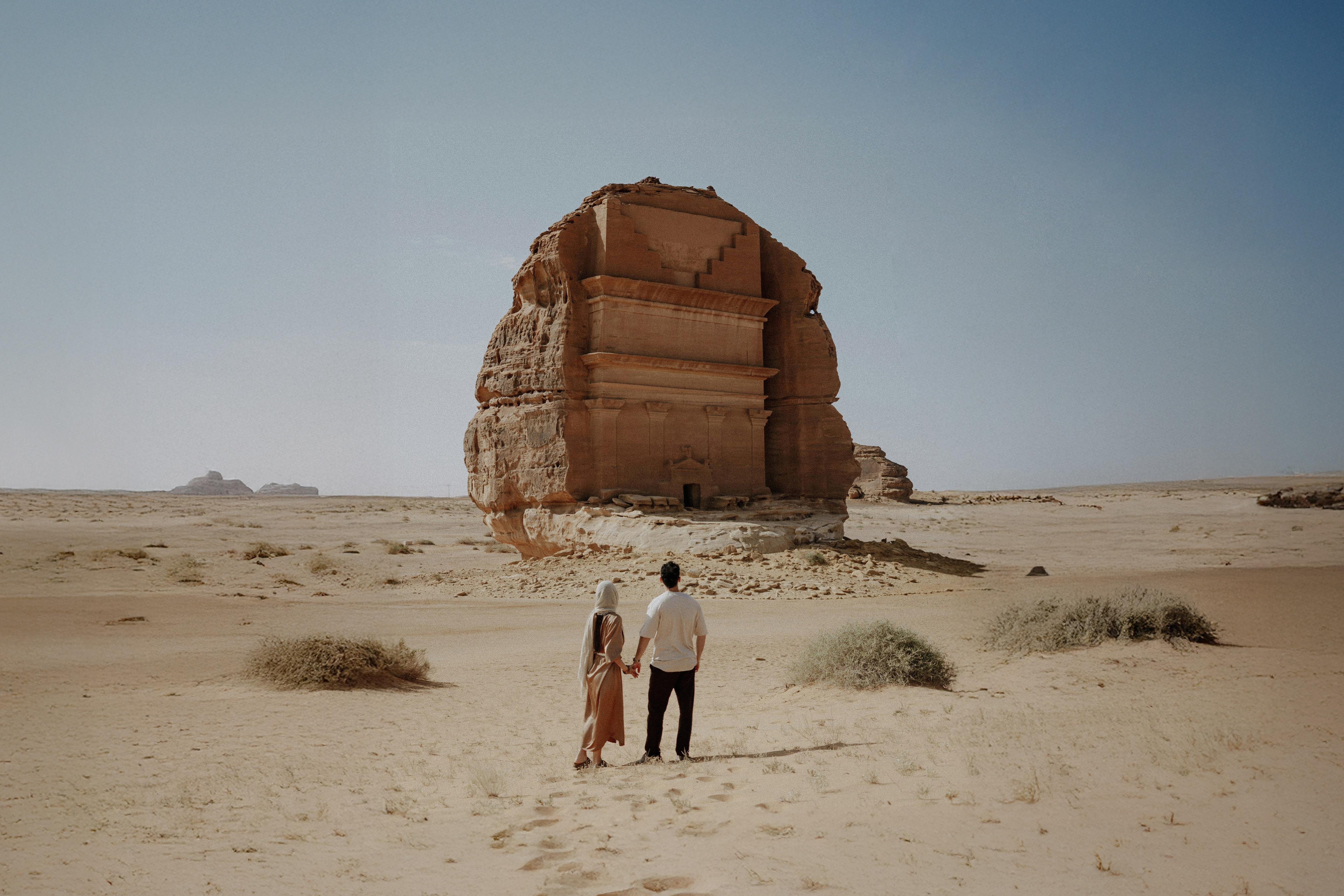
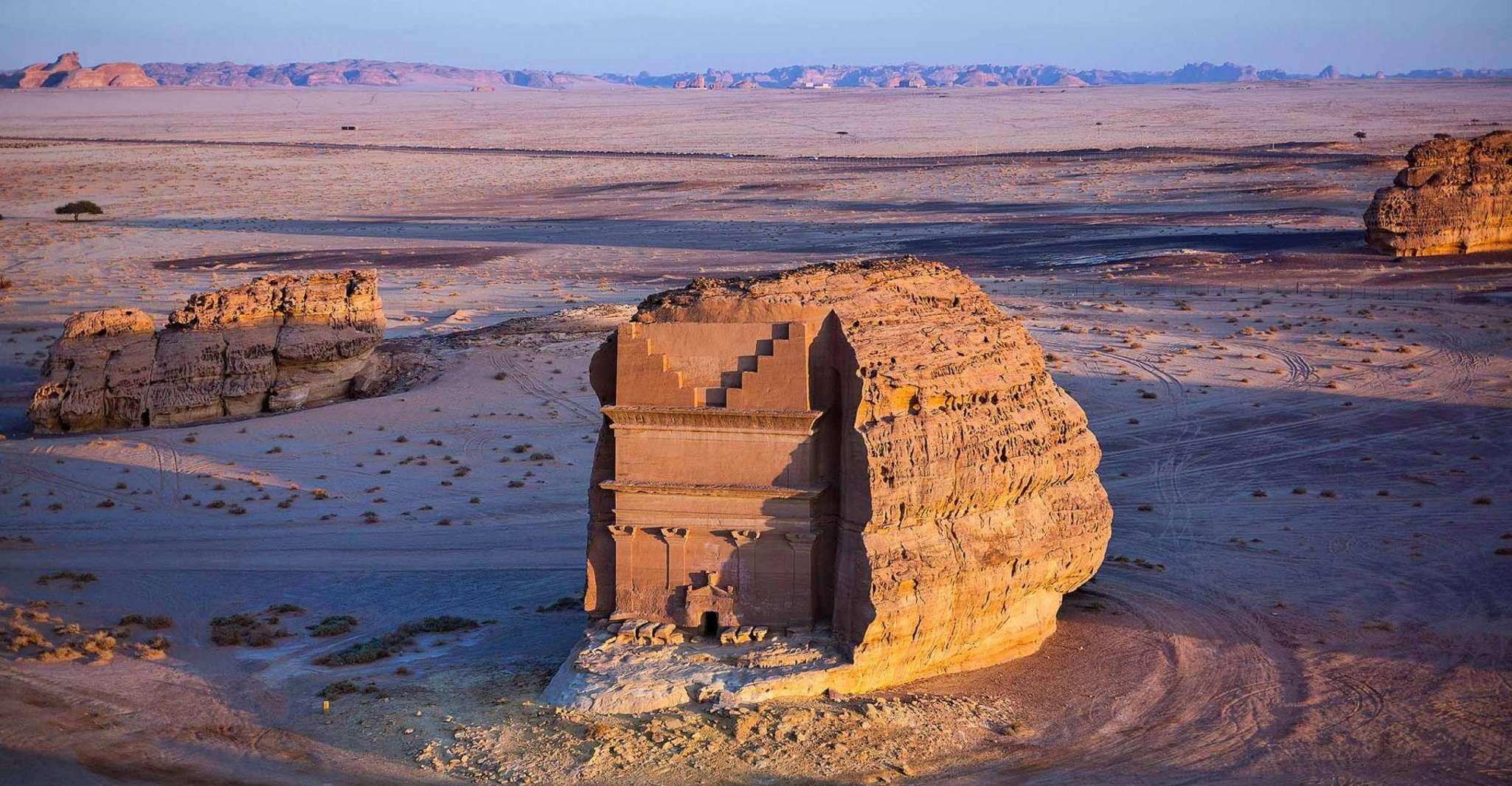
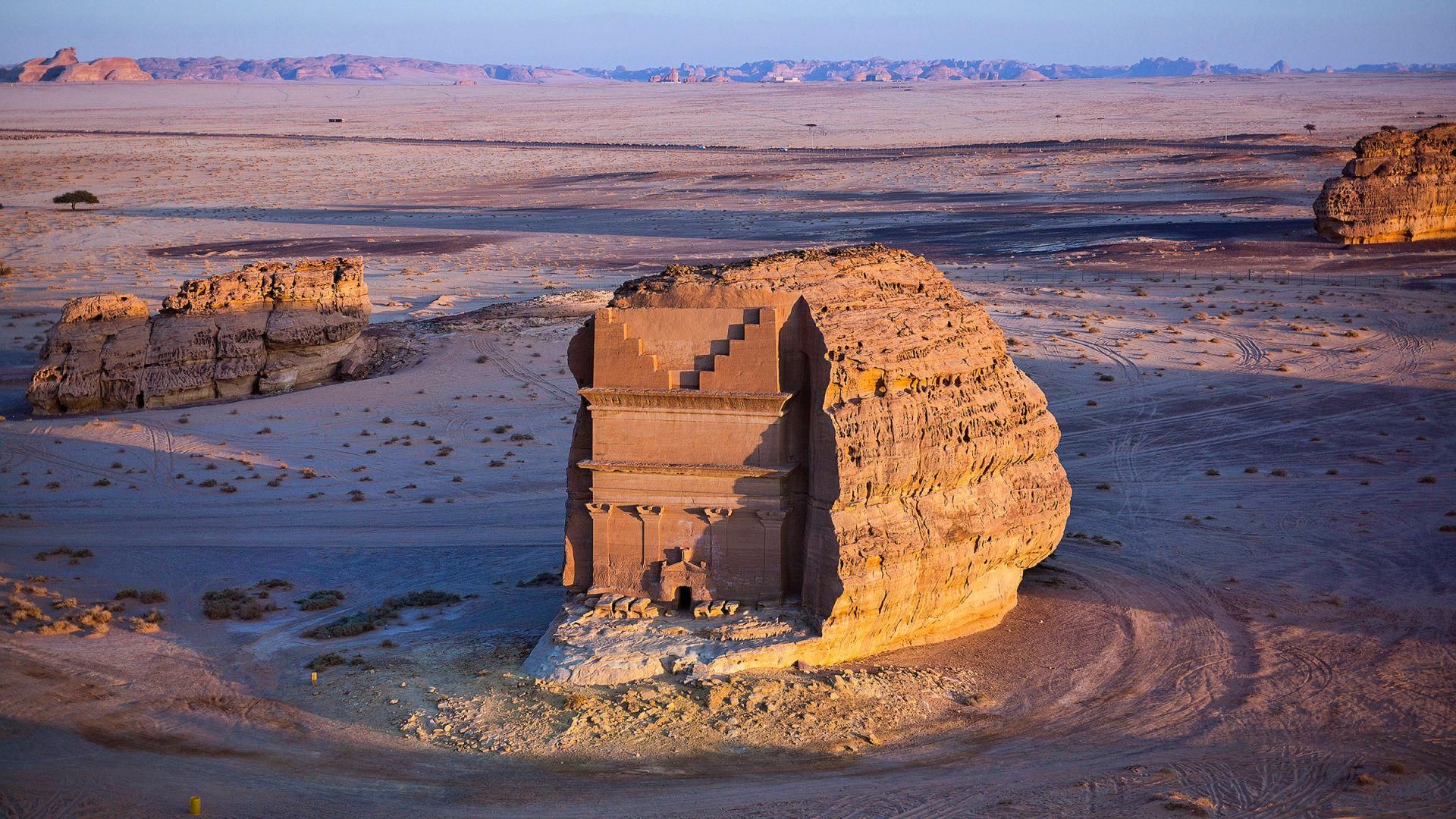
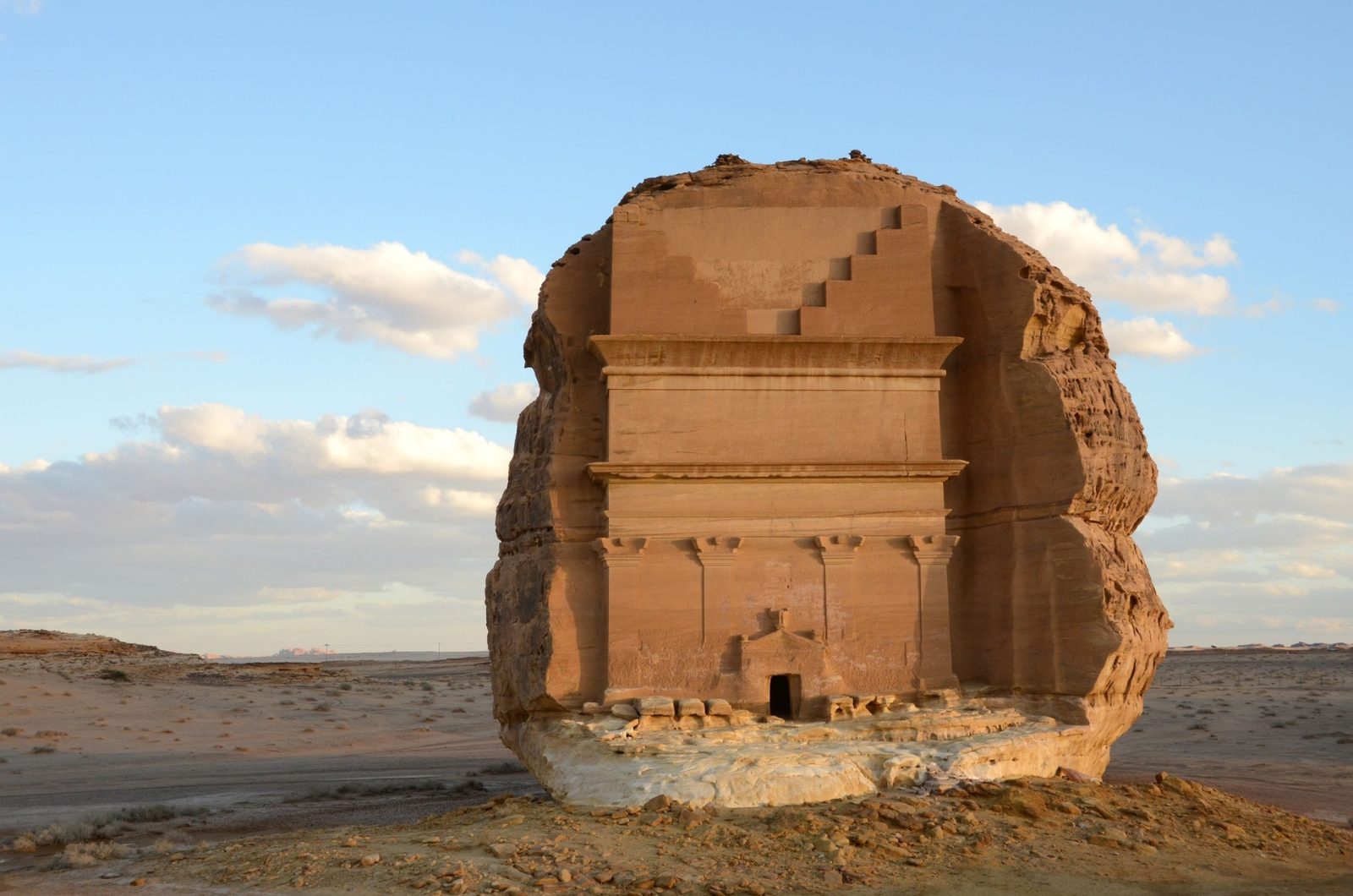
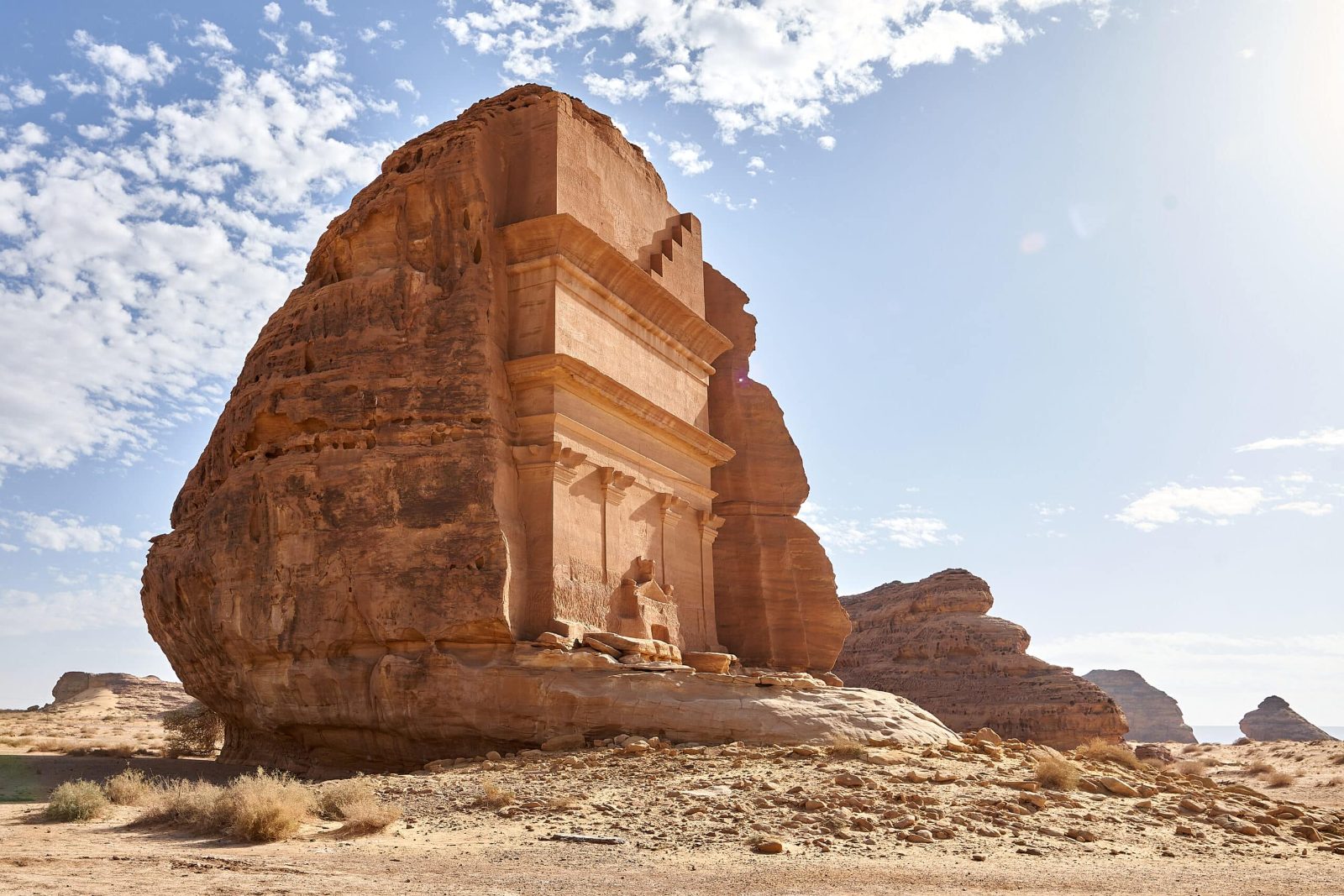
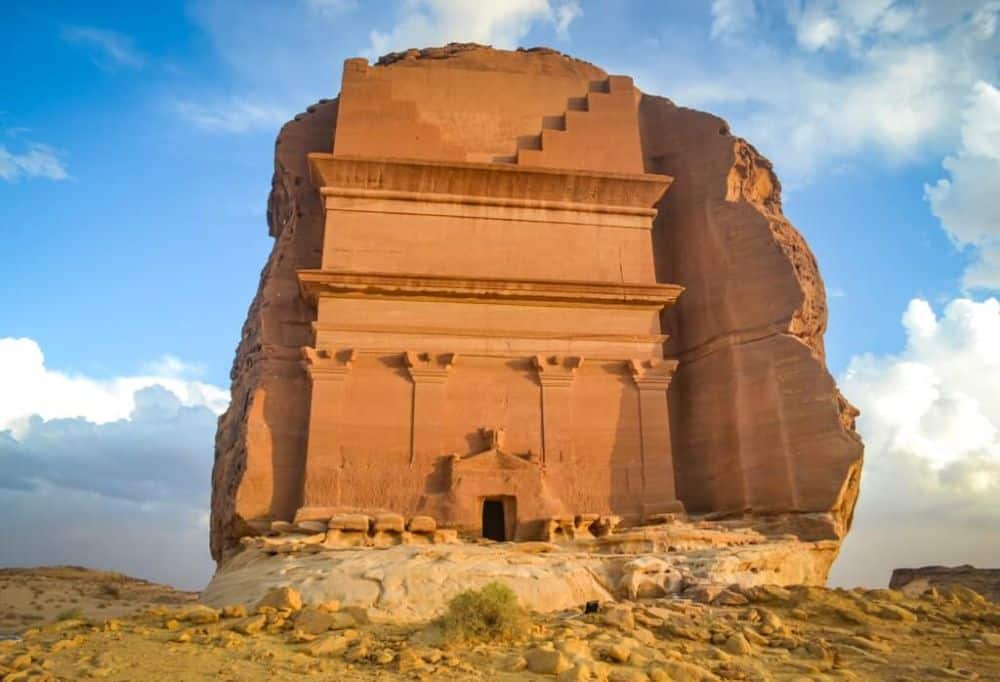
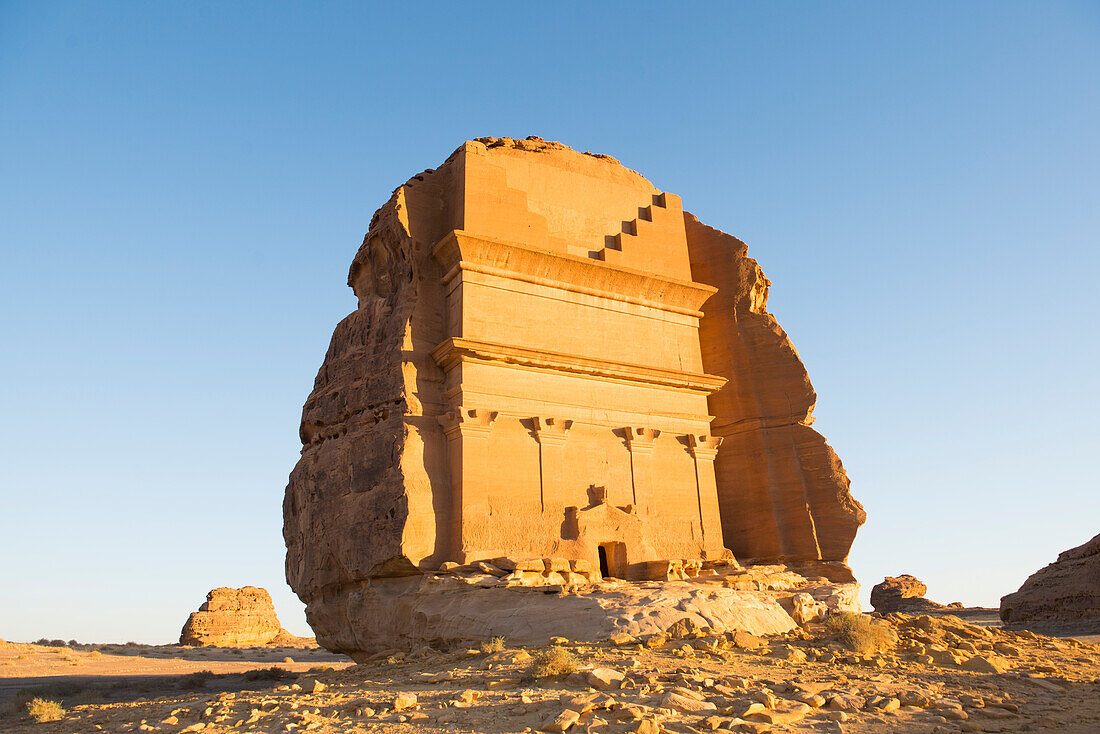
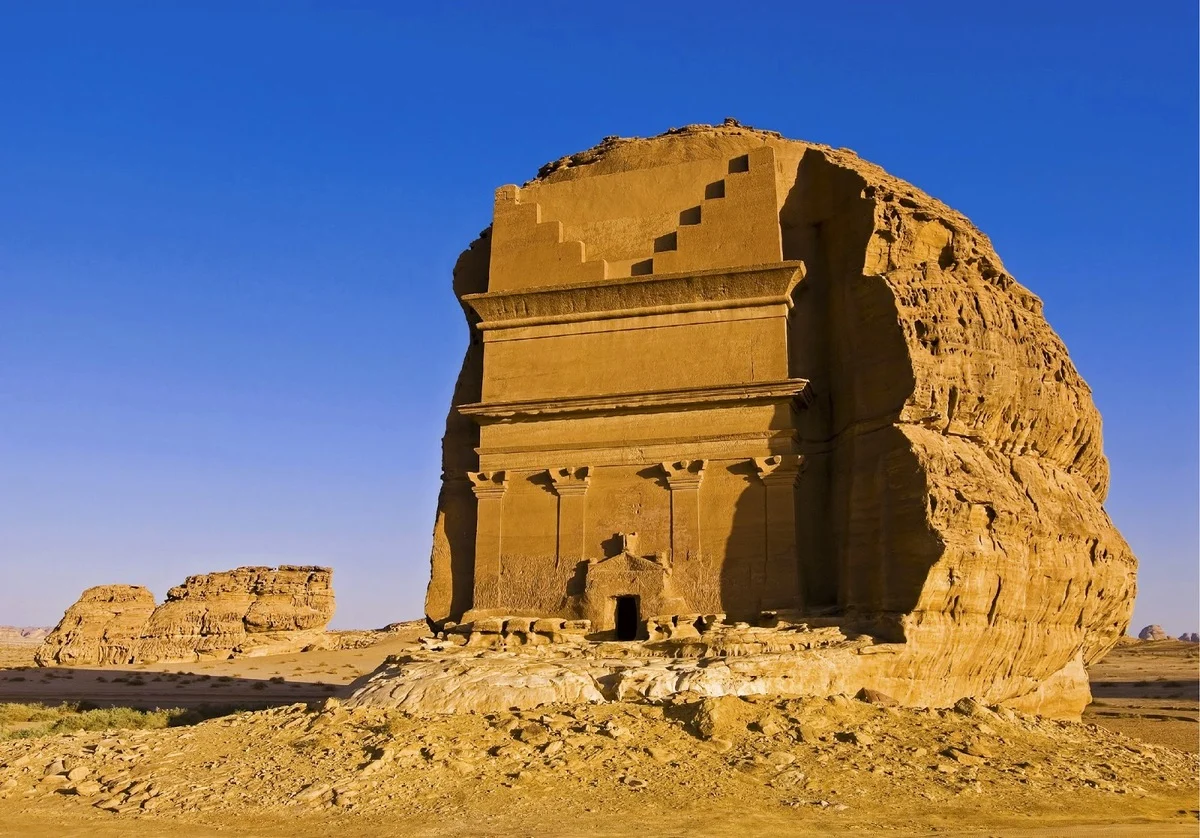
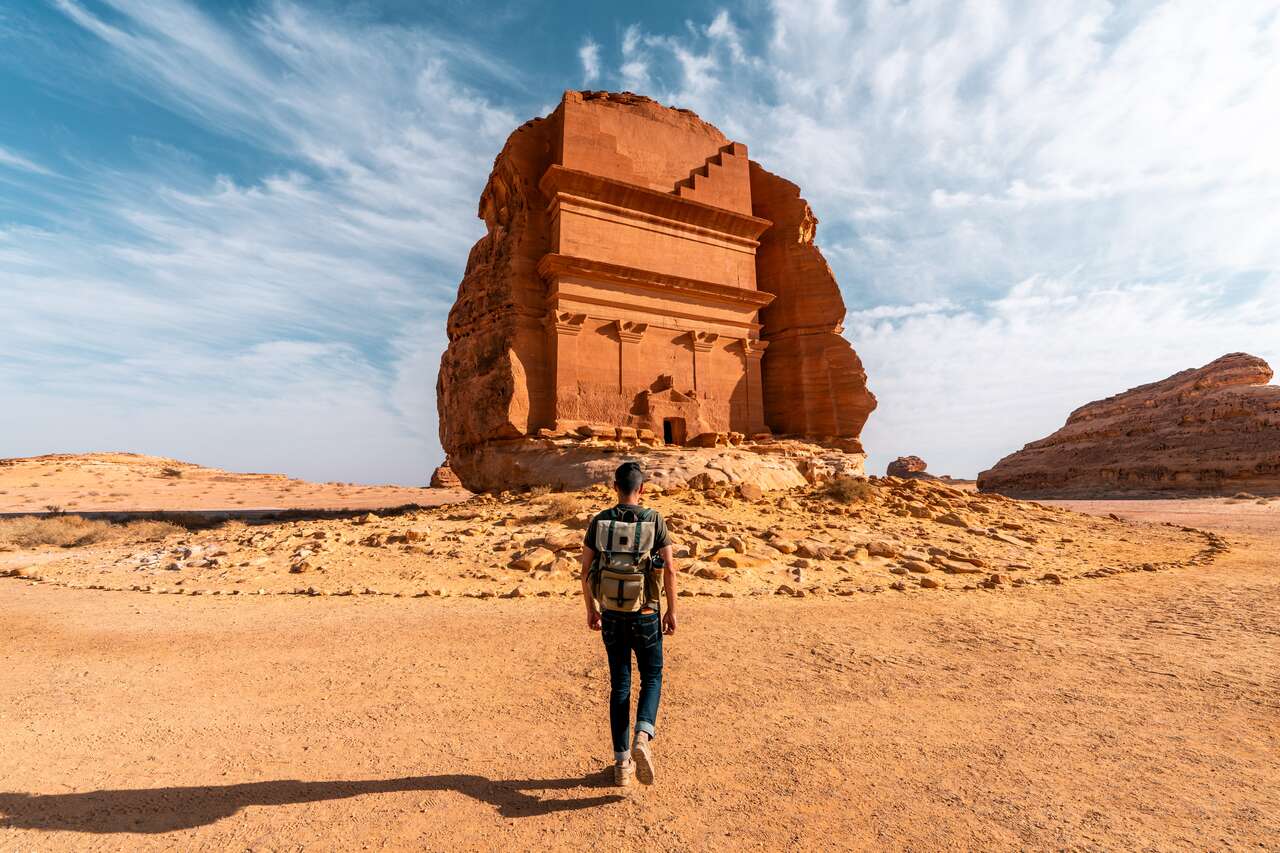
A monumental, unfinished tomb carved into a solitary rock formation standing 21 metres high.
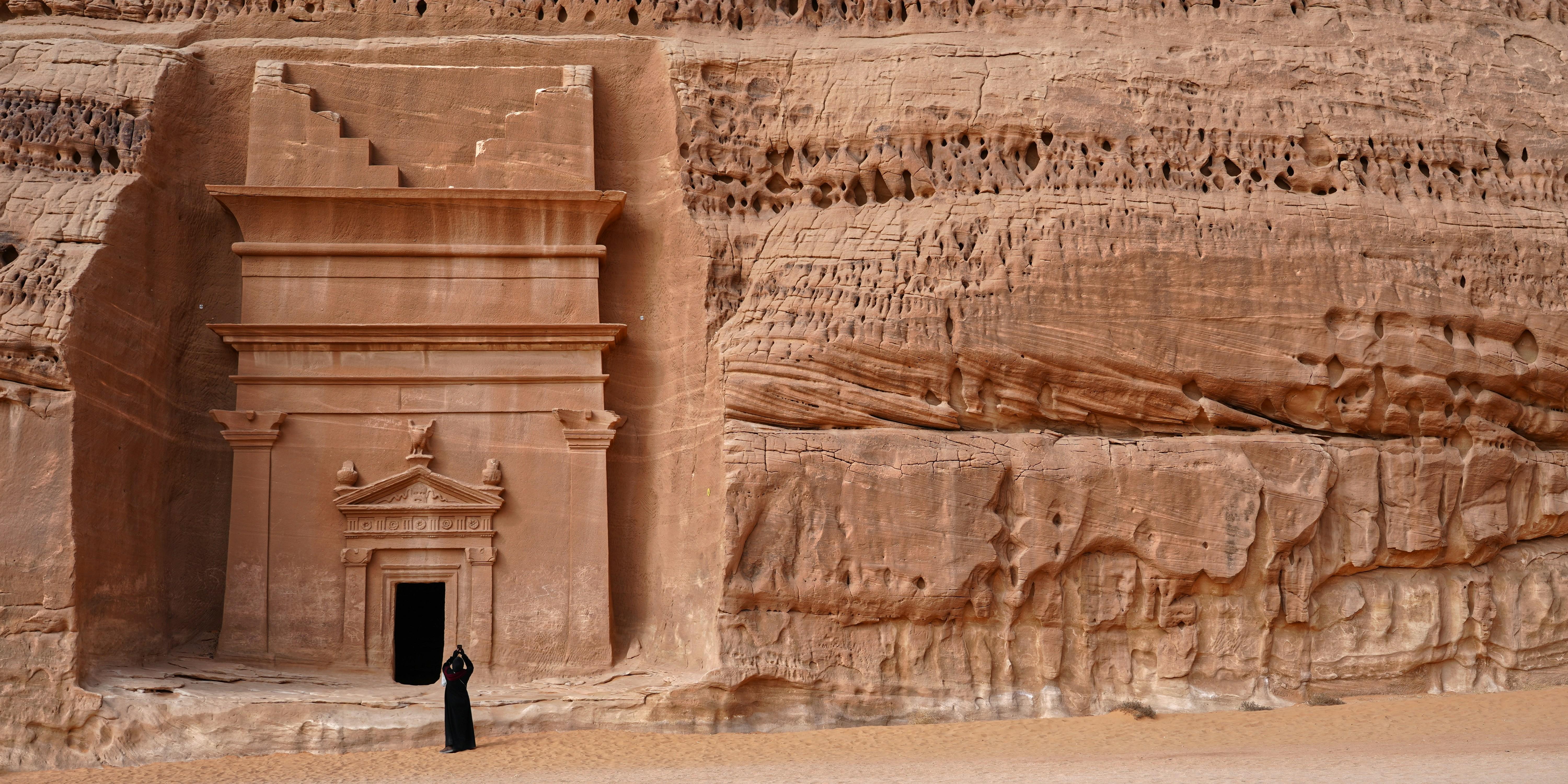
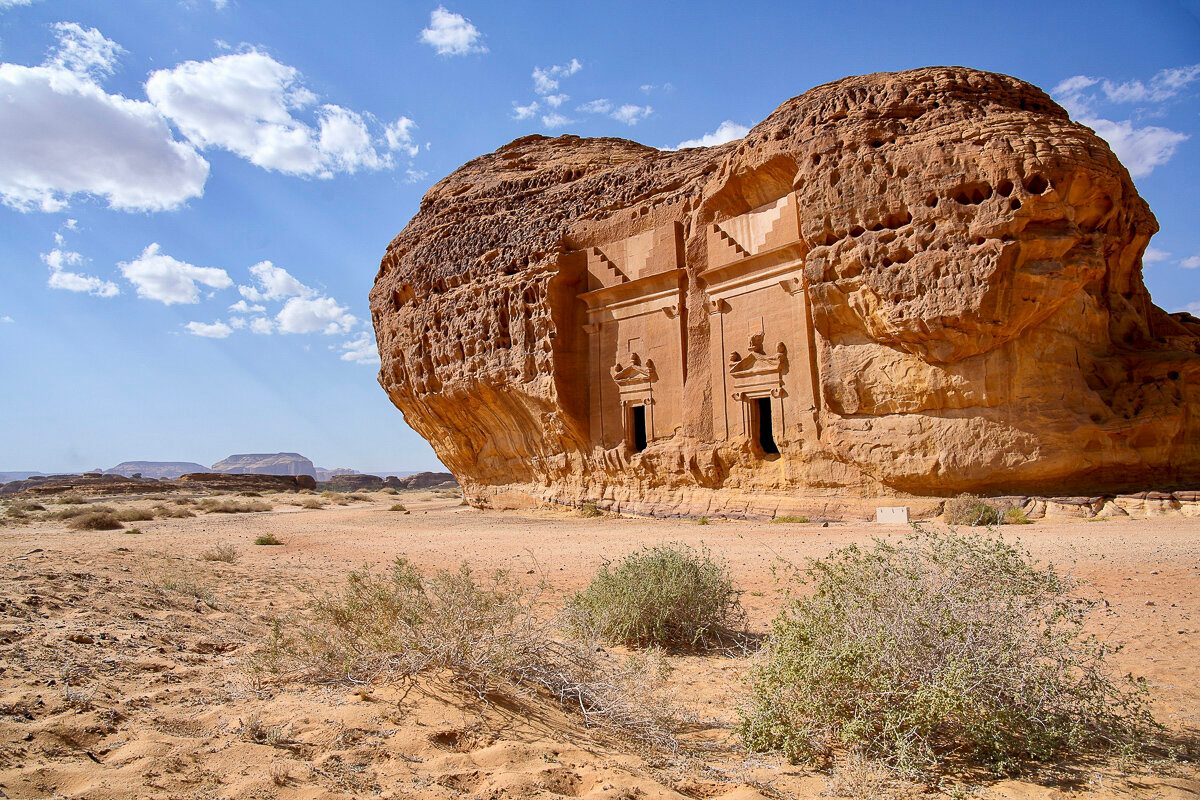
The most famous monument at the site, showcasing intricate Nabataean facade designs.
A historical gathering place carved into the rock used for ceremonial purposes.
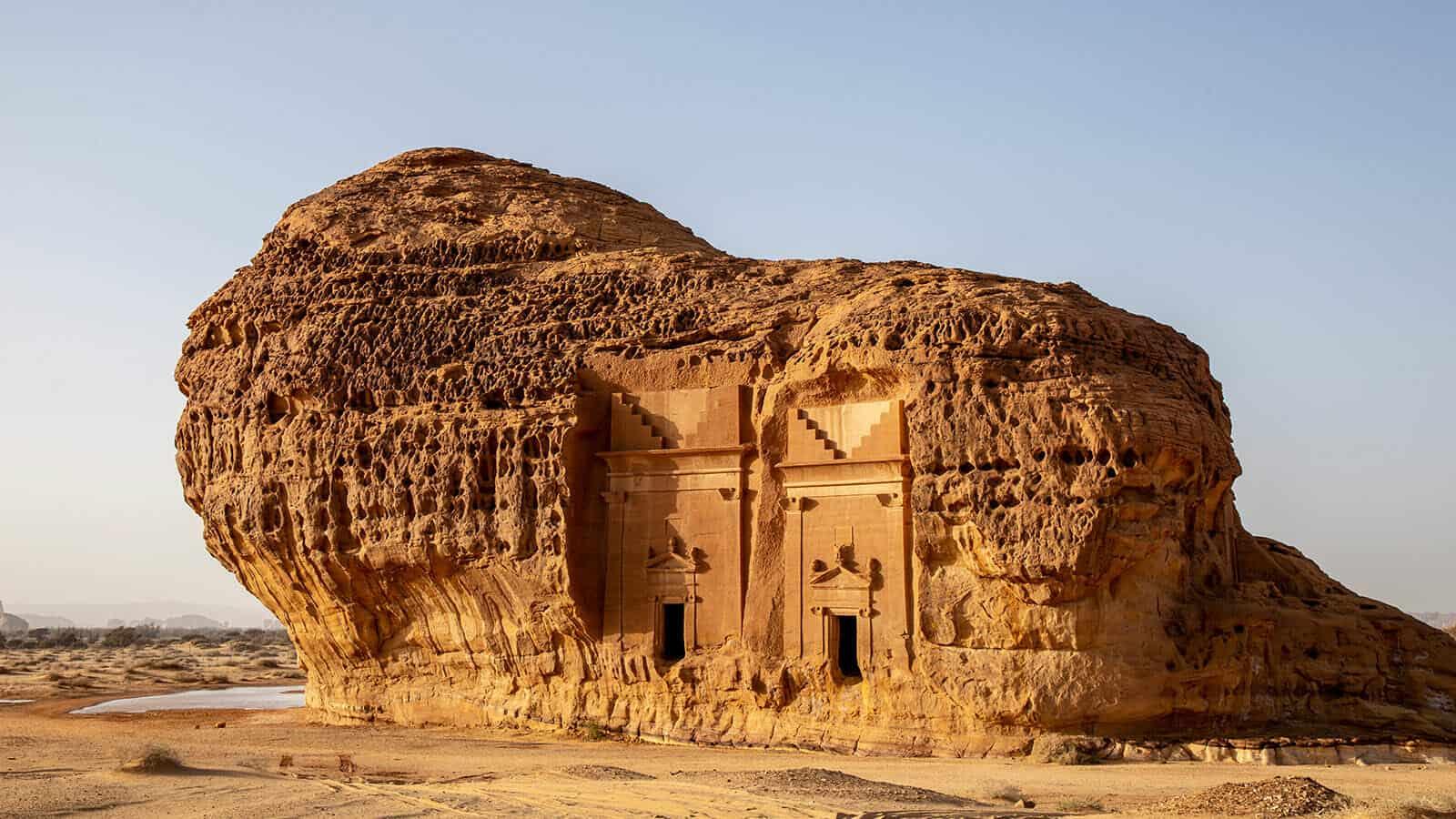
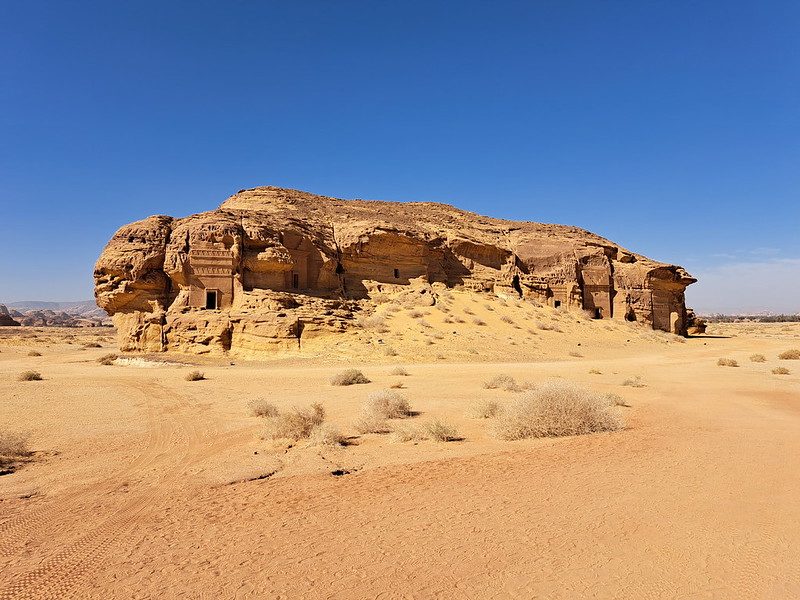
A distinct red-hued mountain complex containing several well-preserved burial facades.
An important tomb site where archaeological excavations revealed unique insights into Nabataean life.
You arrive at the Hegra Visitor Centre before the day's heat settles, collecting your mobile voucher and meeting your private archaeologist guide. The first stop is Qasr al-Farid, standing alone in the sand, its facade unfinished after 1,900 years.
Your guide points to chisel marks frozen mid-stroke, explaining how Nabataean sculptors worked from top to bottom, carving doorways last.
You walk northeast to Jabal al-Banat, where 29 tombs cluster across a single outcrop. Inside tomb IGN 18, trilingual inscriptions in Nabataean, Greek, and Latin record the burial of a merchant's family, dated to 31 CE. The chamber still holds carved niches where oil lamps sat during funerary rites. Your guide translates the warnings etched above the entrance, legal texts forbidding reuse of the tomb under penalty.
The Diwan appears next, a square chamber carved three meters into stone, its benches worn smooth by centuries of ritual meals. You pause here while your guide describes the banquets held to honor ancestors, pointing to drainage channels that carried away libations poured for the dead. The morning closes at the railway station, where you photograph rusted Hejaz locomotives beside Nabataean irrigation channels, two empires overlapping in sandstone and iron.
All the details about your upcoming adventure in one place
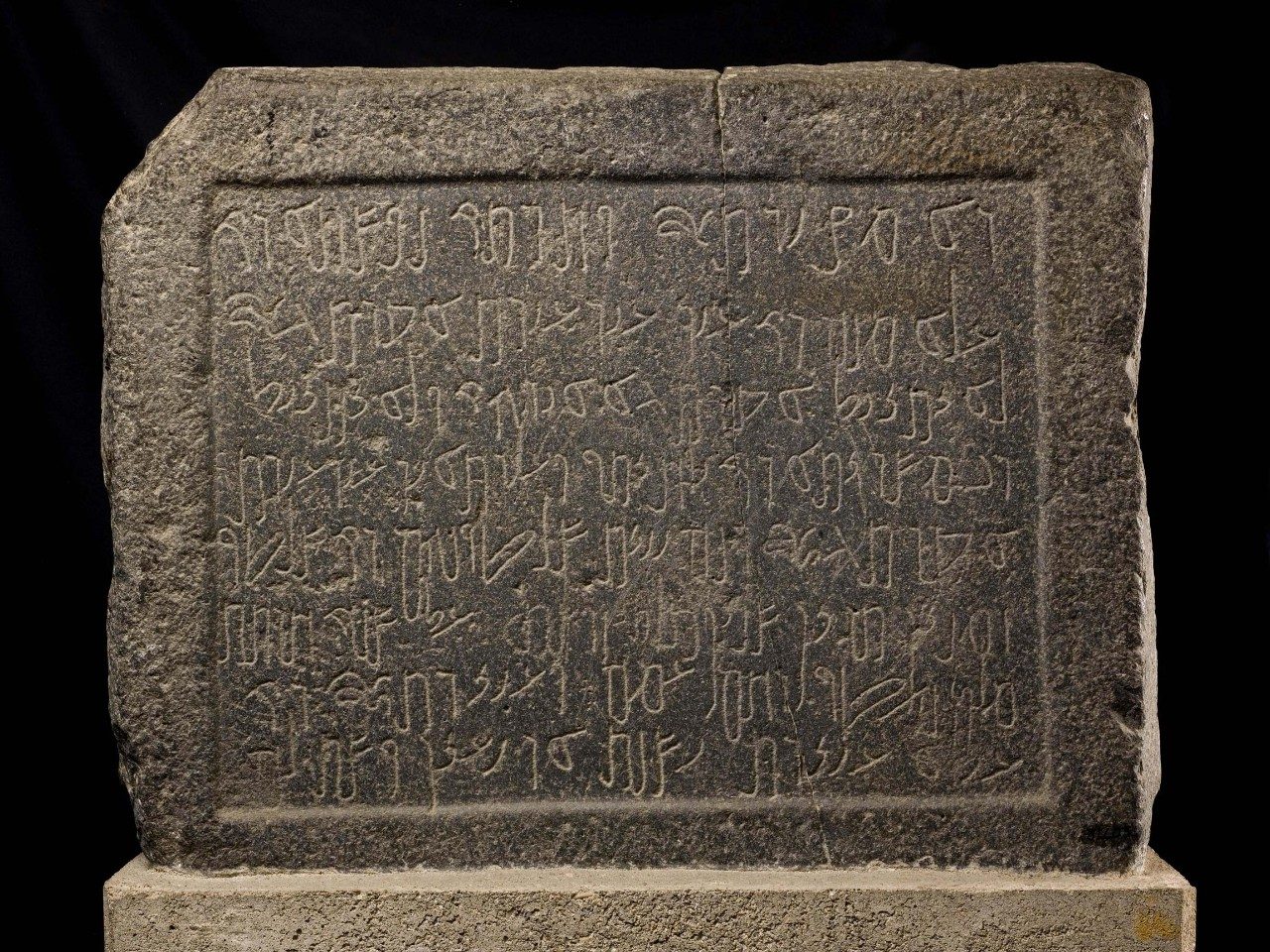
Hegra, known as Madain Saleh, became Saudi Arabia's first UNESCO World Heritage Site in 2008, protecting 111 monumental Nabataean tombs carved between the first century BCE and first century CE.
The site remained closed to visitors until 2020, preserving its sandstone facades in near-pristine condition while archaeological teams documented burial chambers, trilingual inscriptions, and hydraulic engineering systems that supported a caravan city on the Incense Route.
The tombs stand as the southern counterpart to Petra, built by the same civilization 500 kilometers to the north. Hegra served as the Nabataean Kingdom's second city, a waypoint where merchants traded frankincense, myrrh, and spices between Yemen and Mediterranean ports. The largest tomb, Qasr al-Farid, rises 21.7 meters from a single outcrop, its four-story facade unfinished, chisel marks still visible where sculptors abandoned work in 106 CE when Rome annexed the kingdom. Seventy-three percent of Hegra's tombs bear dated inscriptions, making it the most extensively documented Nabataean necropolis.
A Hegra private tour grants access beyond the standard visitor routes. Expert archaeologists lead small groups through restricted chambers where Lihyanite graffiti predates the Nabataeans by six centuries, and to the Diwan, a triclinium hall where funerary banquets honored the dead. The conservation fee supports ongoing excavation of the residential quarter, where teams uncovered a complete hydraulic system with 130 wells, cisterns lined with waterproof mortar, and channels that distributed rainfall across 52 hectares. Early morning light strikes the tomb facades at angles that reveal tool marks, construction sequences, and the names of sculptors who signed their work in Aramaic.
The site opens at 06:30, when temperatures favor extended walking between tomb clusters spread across five outcrop groups. Private access allows tailored routes through the Jabal Ithlib sanctuary, where a 12-meter siq leads to an altar chamber, and past the railway station built by the Hejaz line in 1907, its Ottoman locomotives rusting beside Nabataean water channels.

Seventy-three percent of Hegra's tombs bear dated inscriptions, making it the most extensively documented Nabataean necropolis.
Dress modestly in public to respect local customs, covering shoulders and knees. While abayas are not required for visitors, loose-fitting clothing is recommended for a hegra private tour.
Small day bags are permitted on a hegra private tour. Security checks may be in place at the entrance to protect the archaeological site.
Photography is encouraged for personal use at Hegra. Always seek permission before photographing local residents during your hegra private tour.
Families are welcome at Hegra. A hegra private tour is an educational experience suitable for children interested in history.
The site is expansive and primarily accessed via coach or 4x4 vehicles. Please notify your operator in advance if you require assistance for your hegra private tour.
Hospitality including dates and coffee is provided at the visitor centre. There are no restaurants inside the archaeological zone, so bring water for your hegra private tour.
Opening Hours
Daily 06:30–20:30 (Sun/Mon until 18:00)
Address
Hegra Visitor Centre, AlUla, Saudi Arabia
Accessibility
Full access to visitor centre, tours require coach/4x4
Best Arrival
06:30–09:00 for cooler weather
Storage
Not available at the site; store in hotel
Navigation
Use official Hegra Visitor Centre Google pin
Manage your booking via your profile page or contact the call centre to request a refund or cancellation. The 95 SAR conservation fee per person is subject to standard site booking terms.
Recommended time
3 hours
A hegra private tour allows for a focused exploration of the Nabataean tombs and archaeological remains within a three-hour window. By choosing a guided AlUla heritage tour, you gain deeper access to significant rock-cut facades while managing your pace away from peak group surges. Booking private hegra private tour tickets ensures a tailored schedule that prioritizes quiet moments at the most prominent monuments.
Crowd levels through the day
The Nabataean kingdom emerged in the fourth century BCE as nomadic Arab tribes consolidated control over the incense trade routes linking southern Arabia with Mediterranean ports. By the first century BCE, their commercial dominance had generated extraordinary wealth, enabling the construction of monumental architecture across their desert realm. Hegra, known in antiquity as Mada'in Salih, served as the southern capital of this empire, strategically positioned along the caravan corridor that funneled frankincense, myrrh, and spices northward to Damascus and Gaza. Nabataean stonemasons developed a distinctive architectural vocabulary that fused Hellenistic, Egyptian, and Mesopotamian influences into facades carved directly from sandstone outcrops. Between 1 CE and 75 CE, artisans at Hegra completed more than one hundred monumental tombs, each commissioned by wealthy merchants and carved in descending chronological order as available rock faces diminished. The largest structures feature stepped crenellations, pilasters with Nabataean capitals, and dedicatory inscriptions in Aramaic that record the patron, date, and legal protections against tomb violation. These inscriptions constitute the most complete epigraphic record in the Nabataean world, documenting lineage networks and legal customs otherwise lost to history. Roman annexation in 106 CE transformed Hegra into a frontier garrison along the empire's Arabian trade corridor. The site retained commercial importance through the third century, serving Lihyanite and later Islamic travelers until shifting trade routes rendered it obsolete by the thirteenth century. UNESCO inscribed Hegra as Saudi Arabia's first World Heritage Site in 2008, recognizing both its archaeological integrity and its role in expanding the heritage narrative beyond Petra. Today, specialized hegra private tour experiences allow visitors to examine tombs closed to general admission, including Qasr al-Farid and the Diwan, where Nabataean hydraulic engineering and quarrying techniques remain visible in unfinished chambers.
Nabataean tribes establish control over incense trade routes linking Arabia with Mediterranean markets
Accumulation of trade wealth funds monumental architecture across Nabataean territories
Stonemasons carve over one hundred tombs at Hegra, creating the largest Nabataean necropolis outside Petra
Roman Emperor Trajan annexes the Nabataean kingdom, converting Hegra into a military and commercial outpost
Hegra retains importance as a waypoint along trans-Arabian trade corridors under successive empires
Shifting trade routes and declining regional commerce lead to the abandonment of Hegra
UNESCO designates Hegra as Saudi Arabia's first World Heritage Site
Saudi Arabia opens Hegra to international tourism following decades of archaeological research and site conservation
Position yourself directly in front of the monumental facade to capture the solitary, towering scale of this largest Nabataean landmark against the desert horizon. This site is a highlight for those booking a hegra private tour to secure clear shots without crowds.
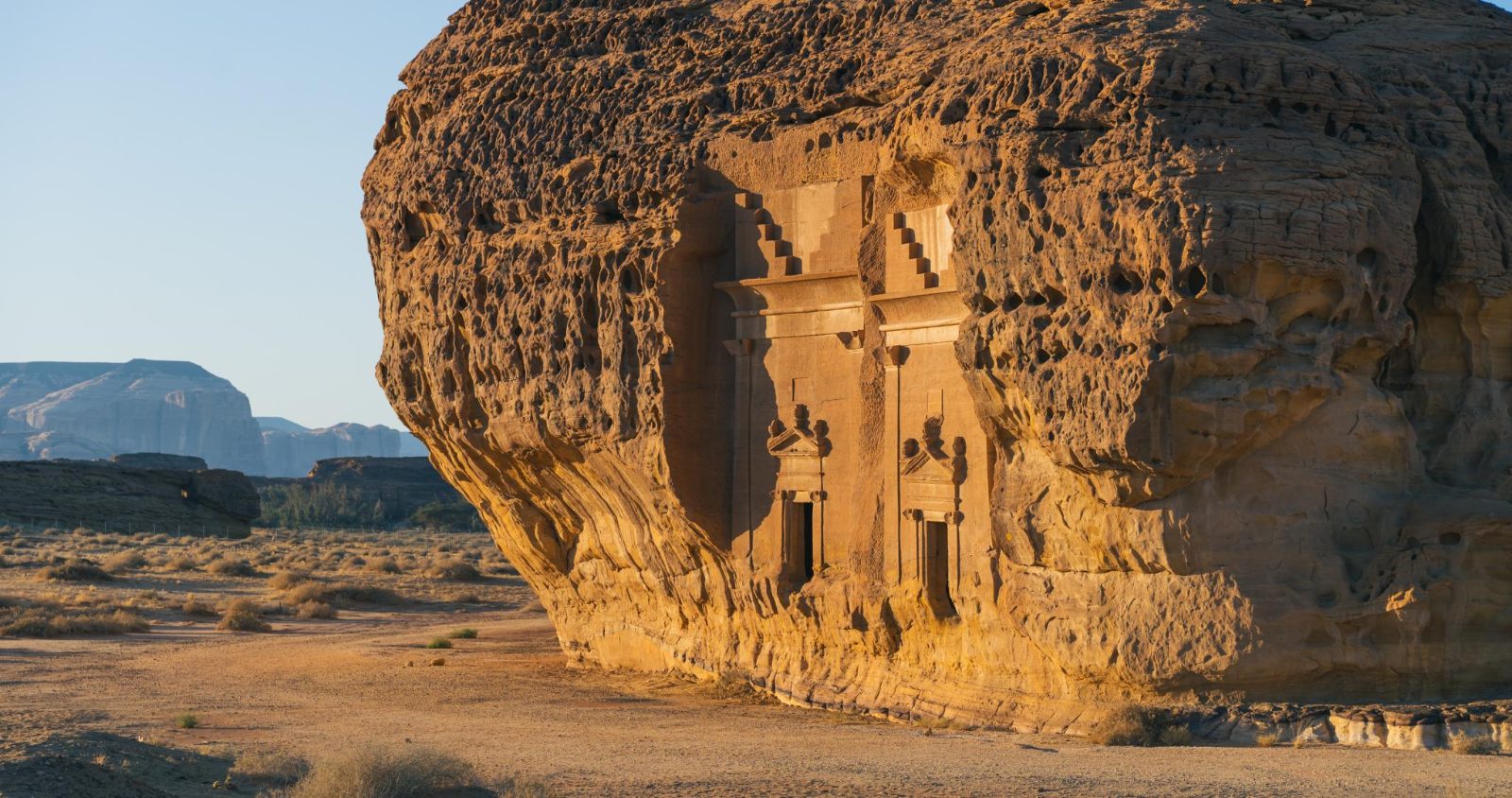
Focus on the western face of these rock-cut structures to frame the intricate carvings as they catch the soft morning sun. Walking the perimeter offers varied perspectives of the sandstone formations and Nabataean architectural details.
Capture the unfinished exterior of this isolated monolith from the desert floor to emphasize its geometric precision in contrast to the surrounding sand. Visitors on hegra private tour tours often find the best compositions from the southern vantage point.
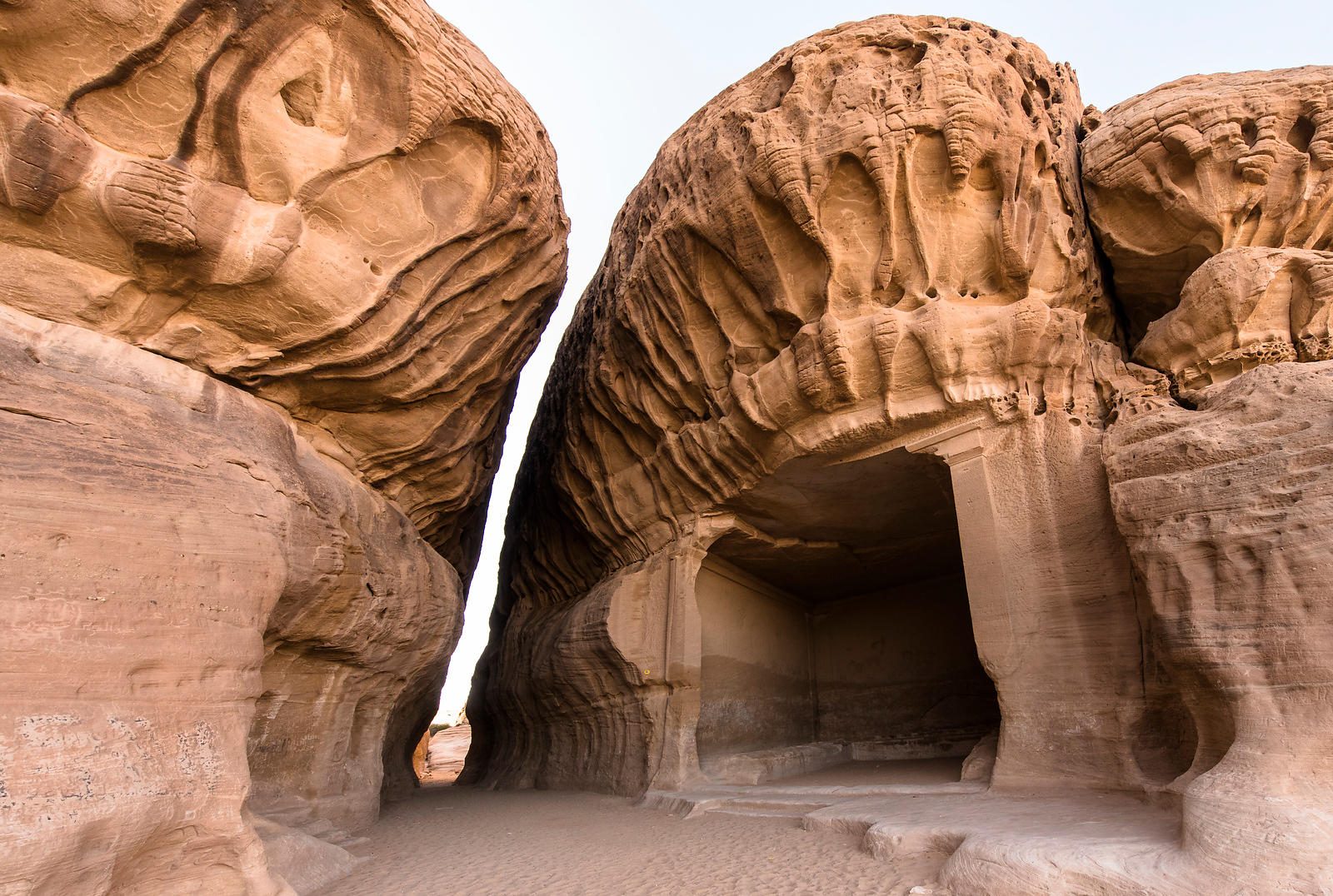
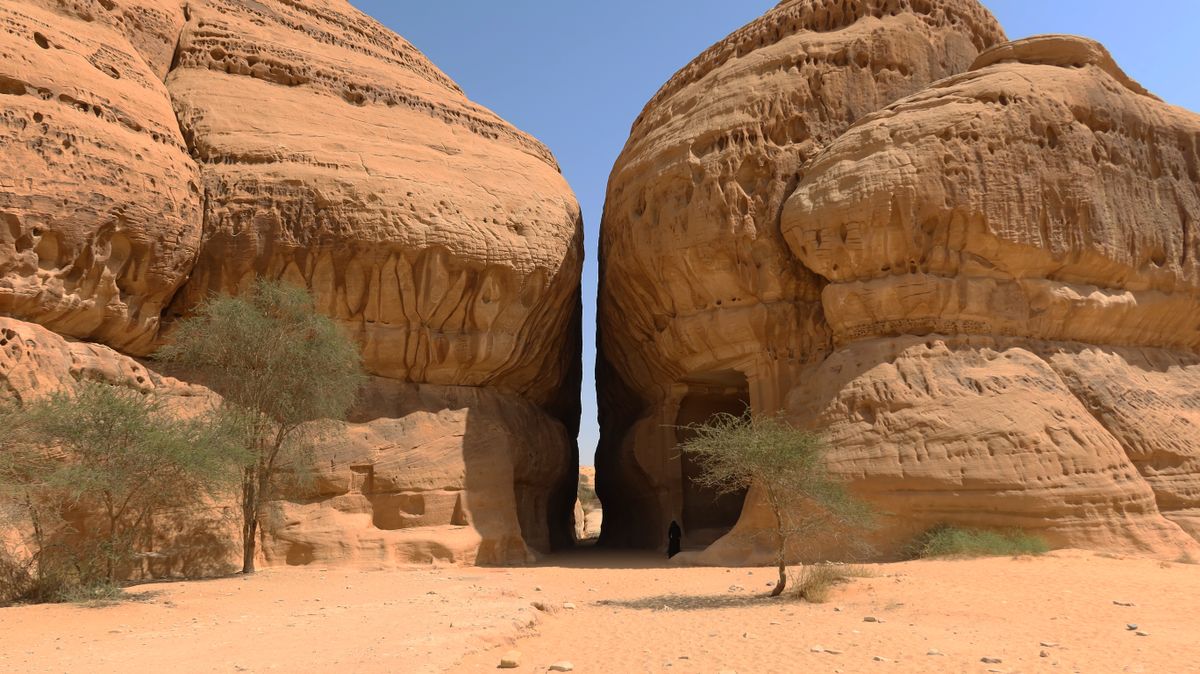
Enter the Siq, a narrow natural corridor, to photograph the soaring rock walls leading into the Diwan assembly area. The play of light between the shadows of the canyon creates high-contrast opportunities for your hegra private tour tickets inventory.
Exploring this UNESCO World Heritage site with children is manageable when you book a hegra private tour to maintain your own pace. The vast desert landscape offers plenty of space for families to discover ancient rock-cut tombs at their convenience.
The site is primarily sandy and uneven, making traditional strollers impractical for navigating between the Nabataean sandstone monuments. Parents should opt for sturdy baby carriers to ensure comfort while exploring these historic AlUla landmarks.
Restroom facilities are available at the Hegra Visitor Centre, though options are limited once you reach the desert site. It is recommended to handle all diaper changes and needs before departing on your hegra private tour tour.
Children aged six and older typically gain the most from the educational aspects of the site. If you are considering hegra private tour tours for toddlers, prepare for high temperatures by scheduling your visit during the cooler early morning hours.
You can secure your hegra private tour tickets online to streamline your arrival and minimize waiting times. Maintaining a flexible itinerary allows you to prioritize the main tomb clusters while keeping energy levels high for young travelers.
Dining options near a hegra private tour are limited, as the site focuses on preserving its UNESCO heritage status. Visitors typically find refreshments at the Hegra Visitor Centre before embarking on their AlUla landmarks exploration.
Located within the visitor complex, this venue provides light snacks and coffee for those holding hegra private tour tickets. It is ideal for a quick recharge before or after your guided excursion.;Saffron
Everything you need to know for your journey
The Hegra Visitor Centre is open Mon/Sun 06:30–18:00 and Tue–Sat 06:30–20:30.
Yes, the 95 SAR conservation fee is the standard entry requirement per person.
No, entry inside the tombs is not permitted; they are for exterior viewing only.
Arrive between 06:30–09:00 to enjoy cooler temperatures and optimal photography light.
Yes, all ages are welcome on tours of this UNESCO site.
Yes, photography is allowed, but please respect the privacy of others and do not touch artifacts.
Yes, please dress modestly, keeping shoulders and legs covered in public.
Bring water, sun protection, and comfortable shoes for your hegra private tour experience.
Hospitality like dates and coffee is offered at the centre; bring your own water for the tour.
Join thousands of happy travelers who have discovered this incredible experience
Book Your Experience Now