Hegra Tour Logo
English| EUR
Suggested for you
More currencies
Book Now
Open today · 06:30–20:30

Hegra Tour

Hegra — UNESCO Tombs & Nabataean Heritage Tours

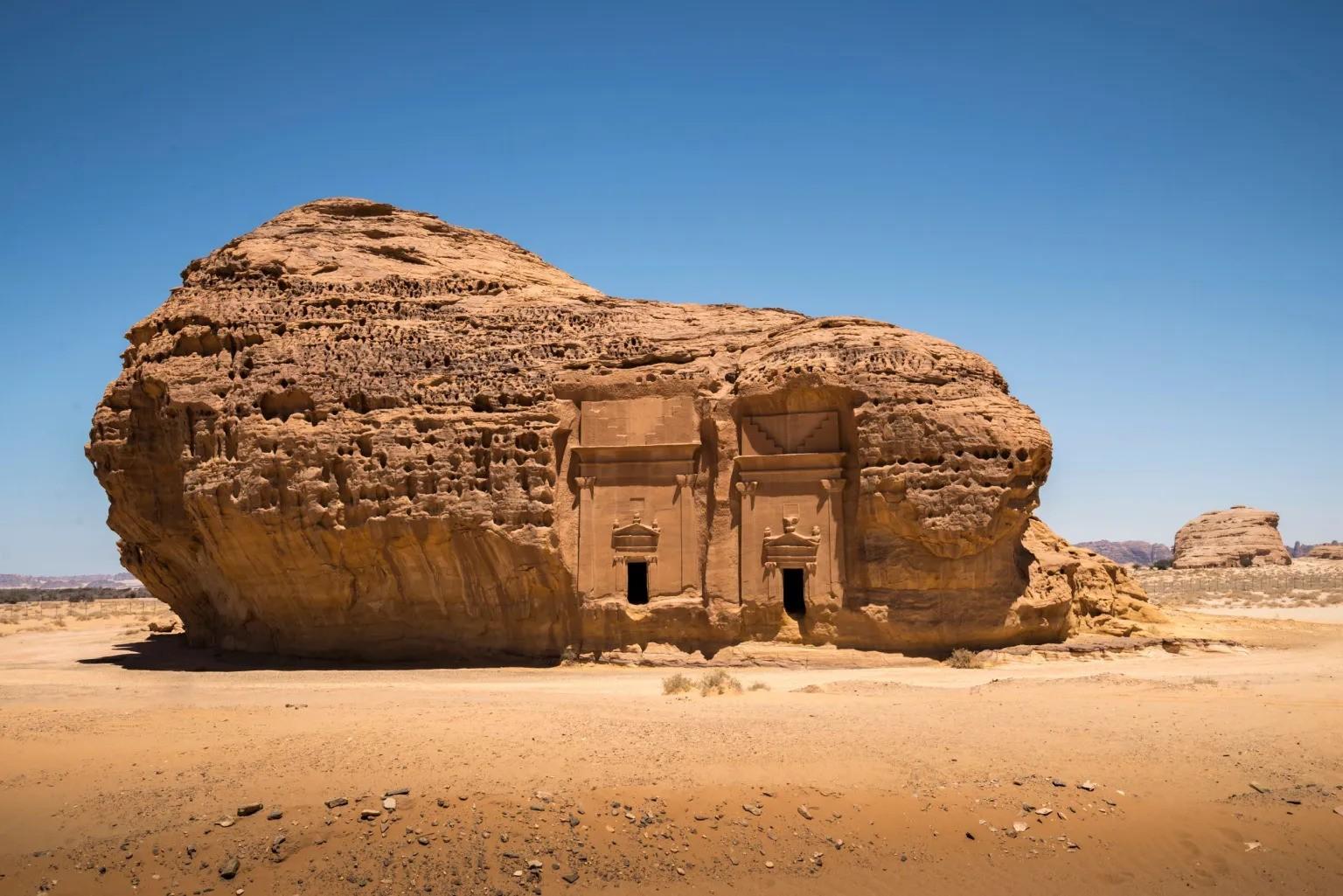
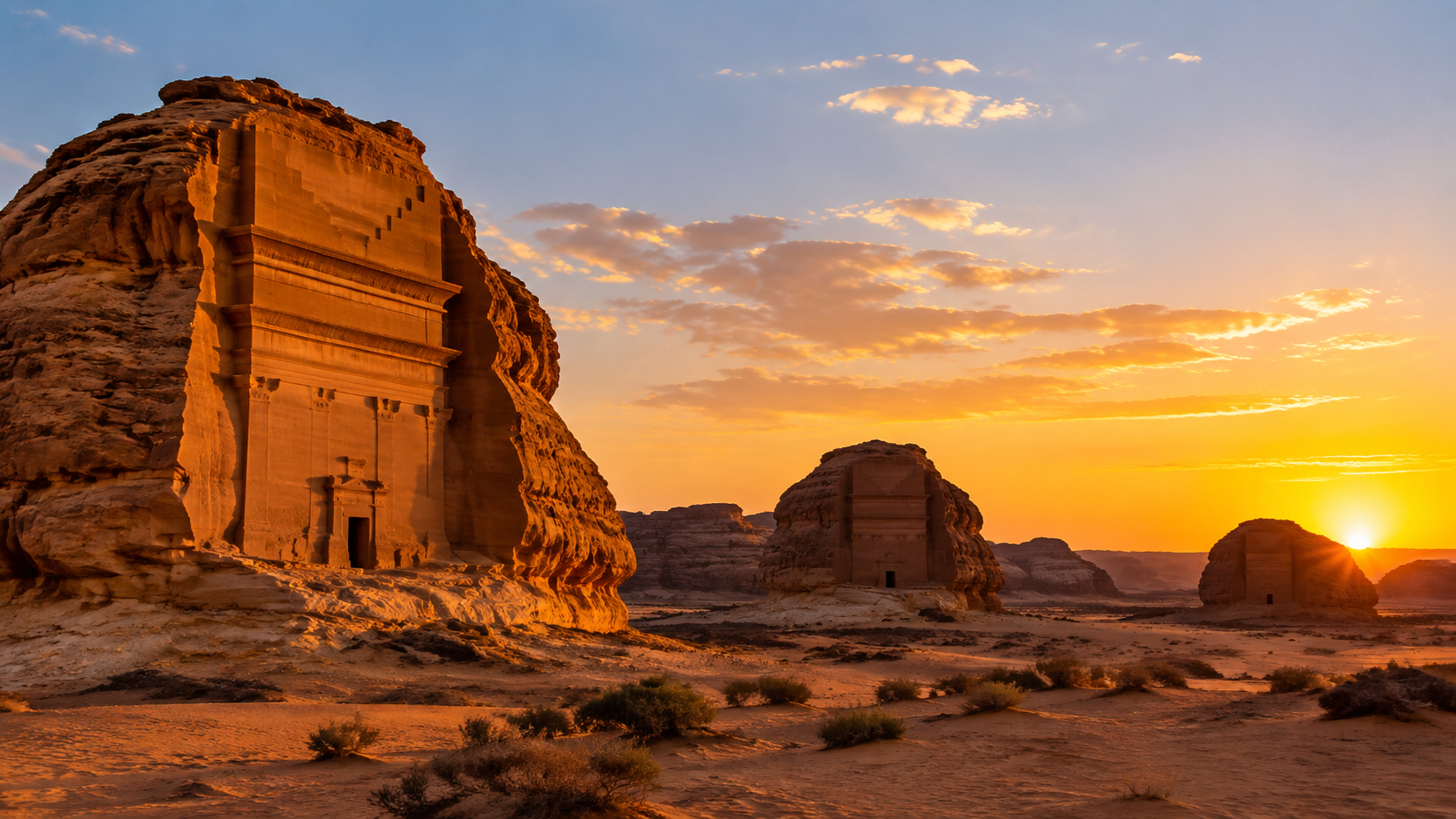
Saudi Arabia's first World Heritage Site, carved into sandstone a century before Petra

4.9 /5 · 2,400 reviews
12.6K+ travelers chose this
Free Cancellation
Right now: Moderate — autumn shoulder season Arrive at the Hegra Visitor Centre 15 minutes before your booked time.
4-5 hours
1 Languages
Up to 15 people
Free Cancellation
Free cancellation Instant confirmation Mobile voucher Verified partner Skip-the-line
Choose your ticket

Hegra tickets at a glance

Compare fares, pick the fit — all bookings are mobile-voucher and eligible for free cancellation where shown.

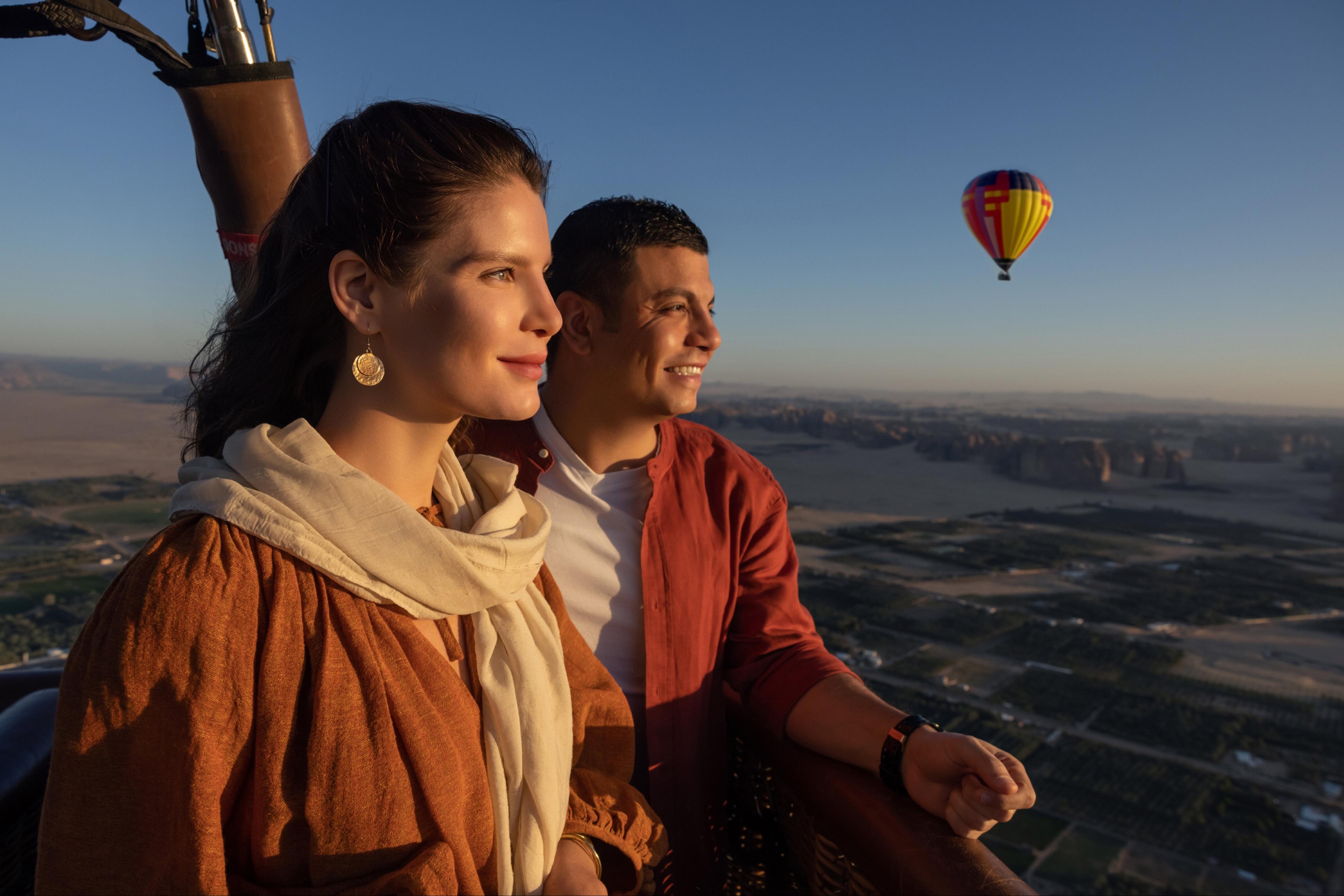
Hegra Al Ula Sunrise Hot Air Balloon Flight 3 hr
Standard Entry

Hegra Al Ula Sunrise Hot Air Balloon Flight

4.7 (46)
$345
  • Entry ticket
  • Mobile voucher
  • Valid same day
  • Free cancellation
Book this ticket
AlUla Heritage & Nature Day Tour 6 hr
Guided Experience

AlUla Heritage & Nature Day Tour

4.9 (16)
€175
  • Expert local guide
  • Small group
  • Skip-the-line access
  • Free cancellation
Book this ticket
Compare options

Compare Hegra ticket options

Experience DurationRatingPickupSkip-the-lineSmall groupFree cancel. Price
Standard Entry
Most popular
Hegra UNESCO World Heritage Site Tour
3 hr★ 4.7✓——✓ $65 Book →
Standard Entry
Hegra Al Ula Sunrise Hot Air Balloon Flight
3 hr★ 4.7✓—✓✓ $345 Book →
Guided Experience
AlUla Heritage & Nature Day Tour
6 hr★ 4.9—✓✓✓ €175 Book →

Is a Hegra Tour Worth the Visit and Entrance Fee?

Worth it for history and UNESCO heritage enthusiasts

At 95 SAR per person, a hegra tour delivers access to Saudi Arabia's first UNESCO World Heritage Site and over 110 monumental rock-cut tombs carved by the Nabataean civilization between the 1st century BCE and 1st century CE. The sheer scale of the monuments—some façades reaching 20 meters—and the site's exceptional preservation make this one of the most significant archaeological experiences in the Arabian Peninsula. Unlike crowded heritage sites elsewhere, Hegra offers expansive desert landscapes where you can study ancient inscriptions and architectural details without jostling for space. The experience pays off for anyone interested in pre-Islamic Arabia, ancient trade routes, or monumental stone architecture. Casual visitors may find the remote desert setting and limited on-site interpretation less engaging than museum-curated exhibits. The entrance fee covers heritage site access and a standard day tour, though the visit itself is largely self-guided once inside the tombs area.

What makes it worth it

  • Saudi Arabia's first UNESCO World Heritage Site
  • Over 110 Nabataean tombs with intricate façades
  • Exceptional preservation in desert environment
  • Less crowded than comparable ancient sites
  • Ancient inscriptions and architectural details visible up close

Keep in mind

  • Limited interpretive signage for self-guided visitors
  • Desert heat intense outside early morning window
  • Remote location requires dedicated travel time

Bottom line: If you value archaeological authenticity and monumental ancient architecture, the hegra tour tickets justify the cost and the journey into AlUla's desert.

Featured Experiences

Popular Hegra tours & activities

Hand-picked experiences loved by thousands of travelers

Recommended Experience

Powered by GetYourGuide

Another traveler favorite

Powered by GetYourGuide
AlUla Local Discovery Tour 8 hours Free Cancellation

AlUla Local Discovery Tour

Journey through ancient Nabataean heritage, desert wonders, and mirrored architecture with an insider guide

4.7 (33)
FromFrom €306.57
See details
Hegra UNESCO Site Tour from AlUla 2 hours Free Cancellation

Hegra UNESCO Site Tour from AlUla

Discover Saudi Arabia's first World Heritage Site with over 110 ancient Nabataean rock-cut tombs

3.9 (25)
FromFrom €30.74
See details
Hegra Nature Safari: Wildlife & Landscapes 4x4 Adventure 2 hours Free Cancellation

Hegra Nature Safari: Wildlife & Landscapes 4x4 Adventure

Journey through AlUla's UNESCO site on an open-air safari spotting native species and ancient rock art

4.7 (15)
FromFrom €86.96
See details
AlUla Heritage & Nature Private Tour 7 hours Free Cancellation

AlUla Heritage & Nature Private Tour

Explore ancient Nabataean tombs, mirrored architecture, and desert landscapes with a born-and-raised local guide

5 (21)
FromFrom €250.35
See details
AlUla Heritage Tour: Hegra, Dadan & Jabal Ikmah 6 hours Free Cancellation

AlUla Heritage Tour: Hegra, Dadan & Jabal Ikmah

Explore Saudi Arabia's first UNESCO site and ancient Nabataean wonders on this full-day desert adventure

4.6 (2)
FromFrom $99
See details
AlUla Private Day Tour for Solo Travelers 8 hours Free Cancellation

AlUla Private Day Tour for Solo Travelers

Discover AlUla's cultural treasures with your own guide and vehicle on this personalized full-day adventure

4.8 (7)
FromFrom $279
See details
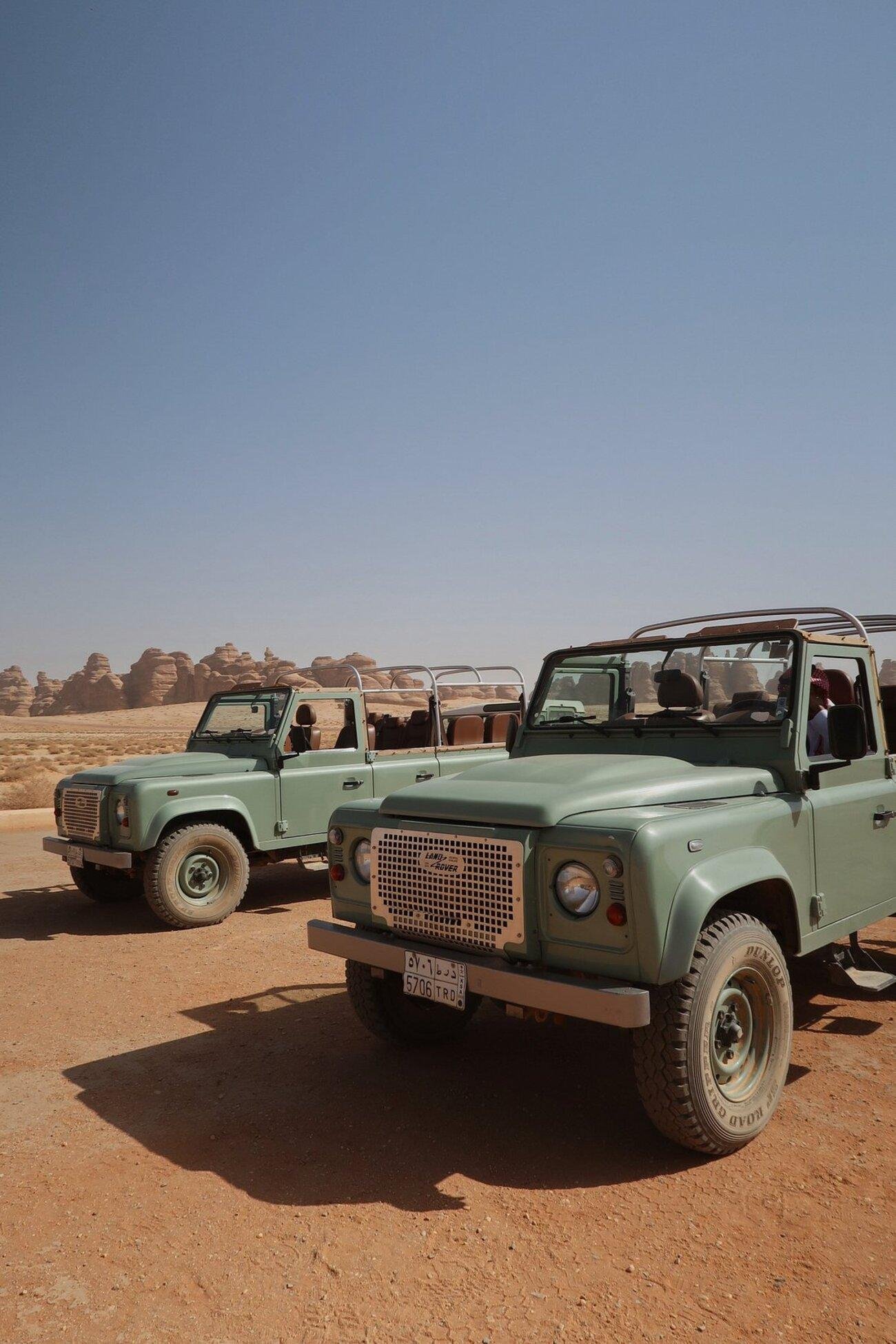
Private Hegra Land Rover Experience 2.5 hours Free Cancellation

Private Hegra Land Rover Experience

Journey through Saudi Arabia's first UNESCO site in a classic 4x4 with expert commentary

4.8 (11)
FromFrom $499
See details
Hegra & Dadan Full-Day Heritage Tour 8 hours Free Cancellation

Hegra & Dadan Full-Day Heritage Tour

Discover AlUla's UNESCO sites, ancient kingdoms, oasis trails, and desert rock formations in one immersive day

5 (2)
FromFrom €285.49
See details
What you'll see

What you'll see at Hegra

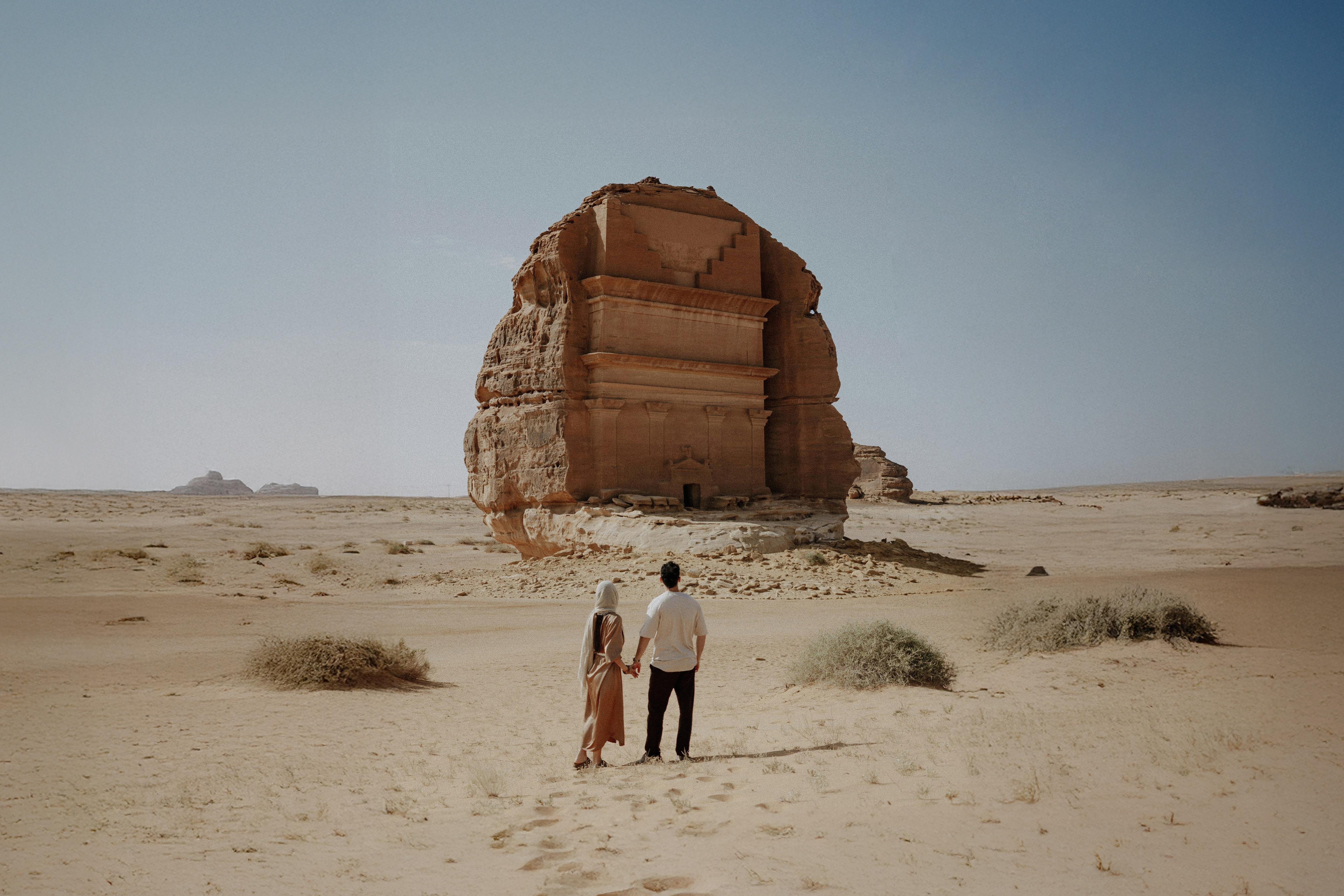
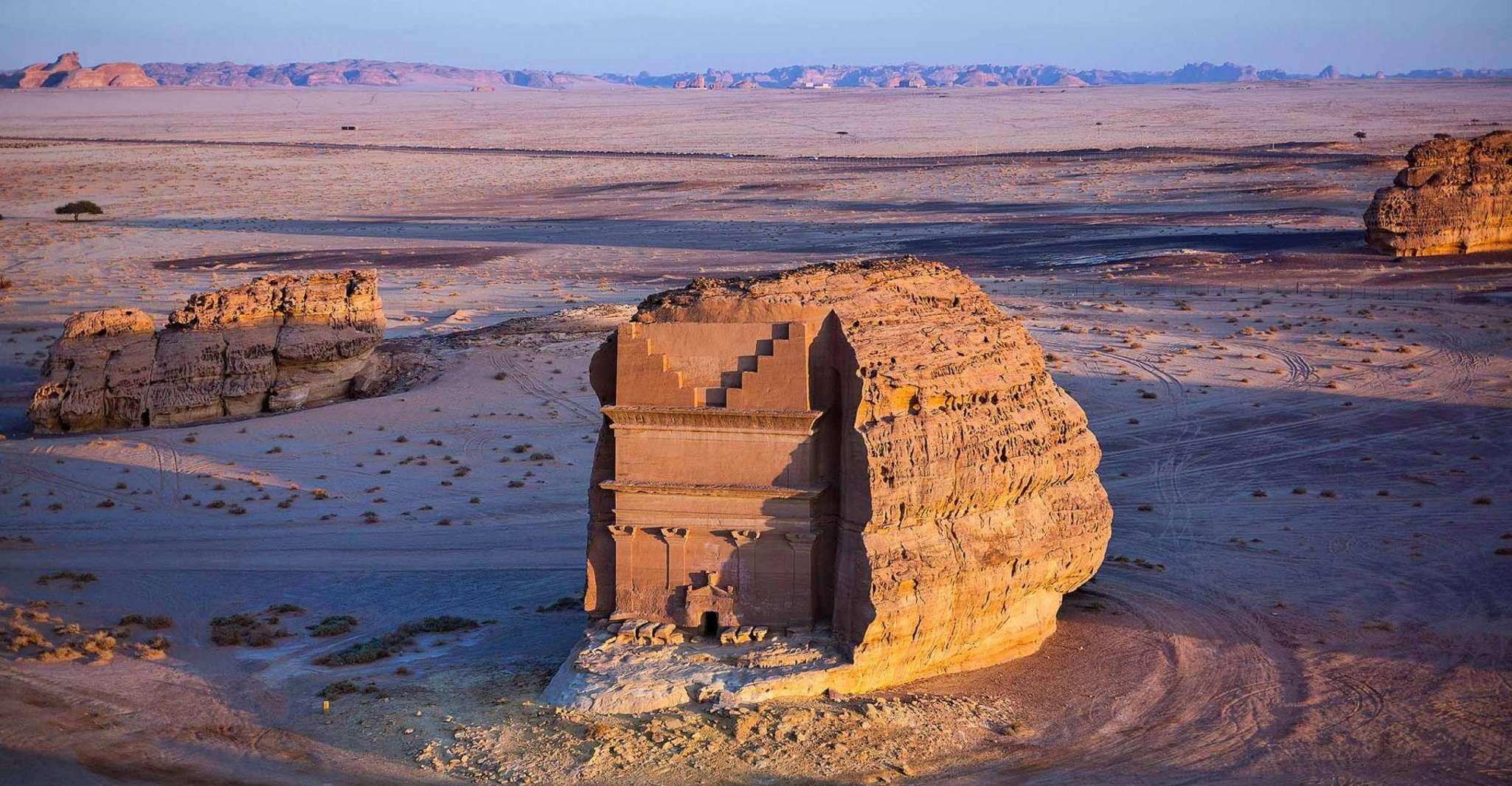
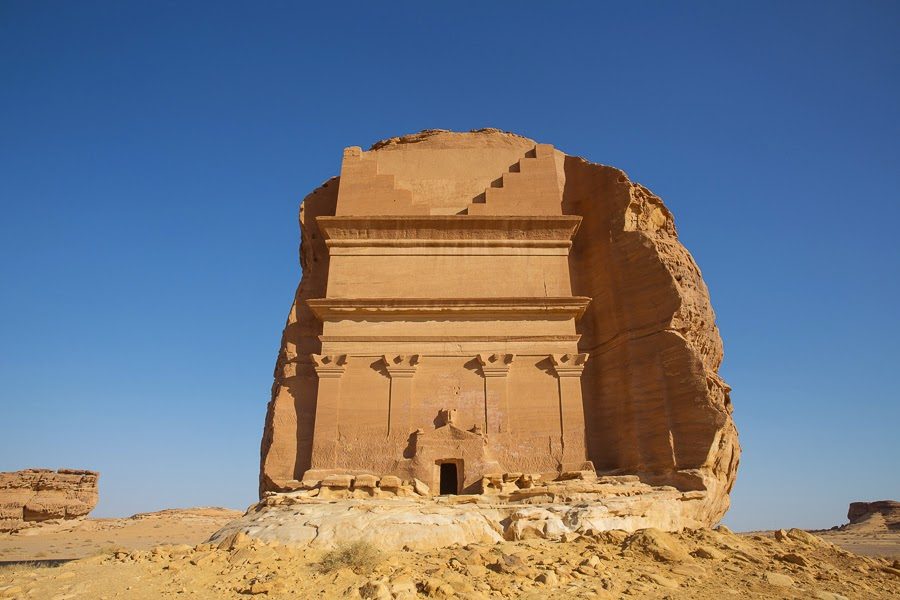
Qasr Al-Farid

Qasr Al-Farid

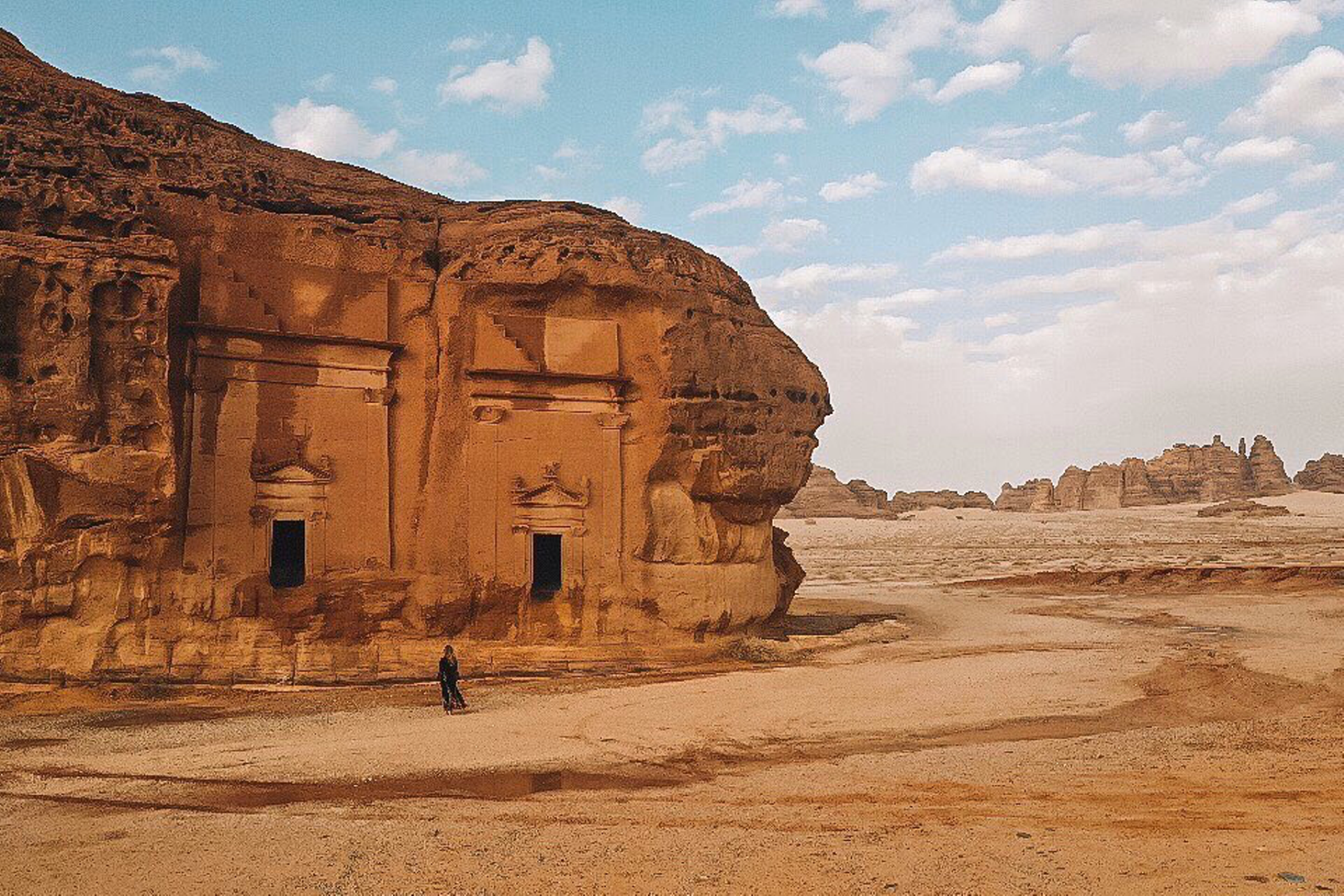
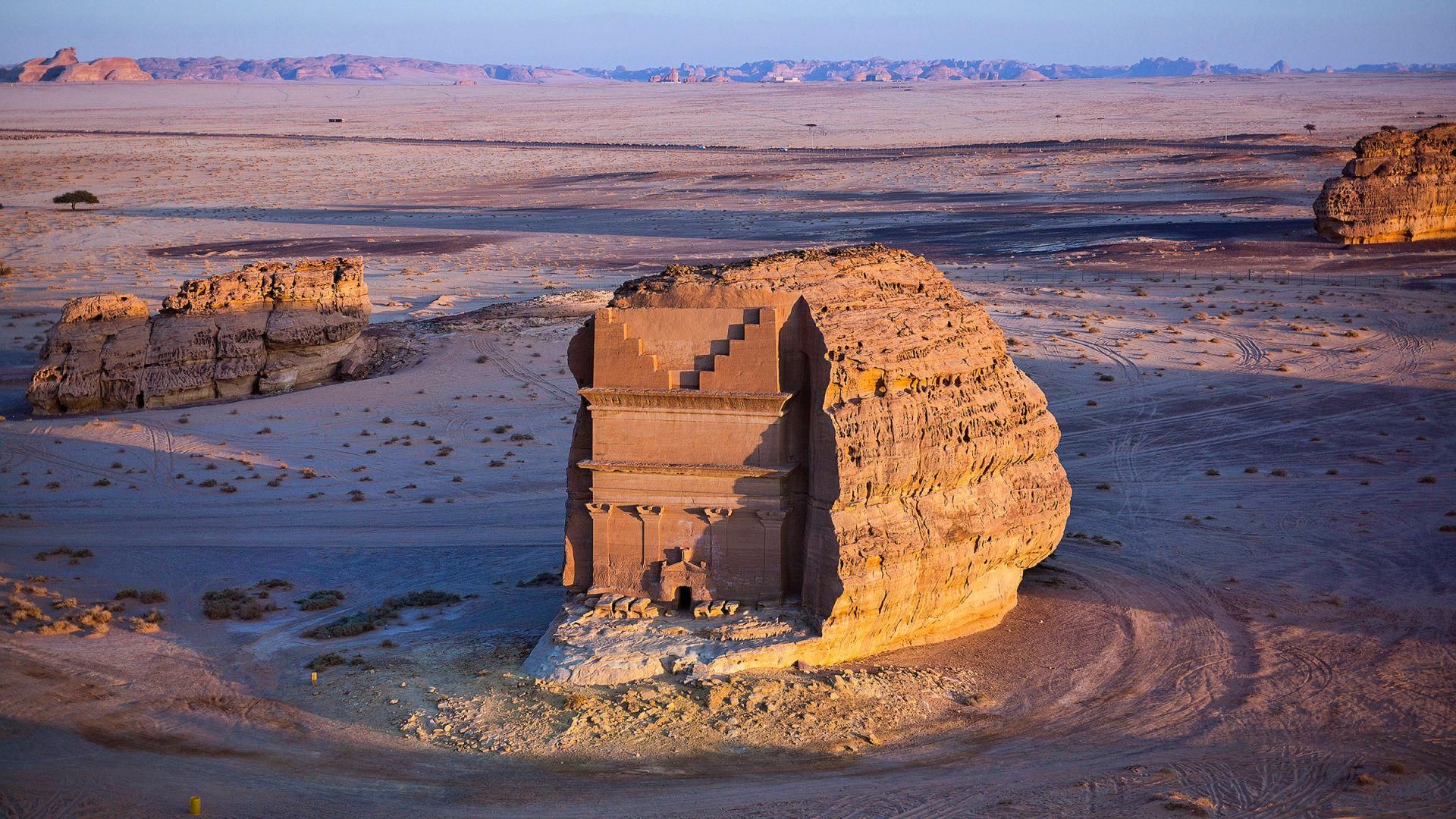
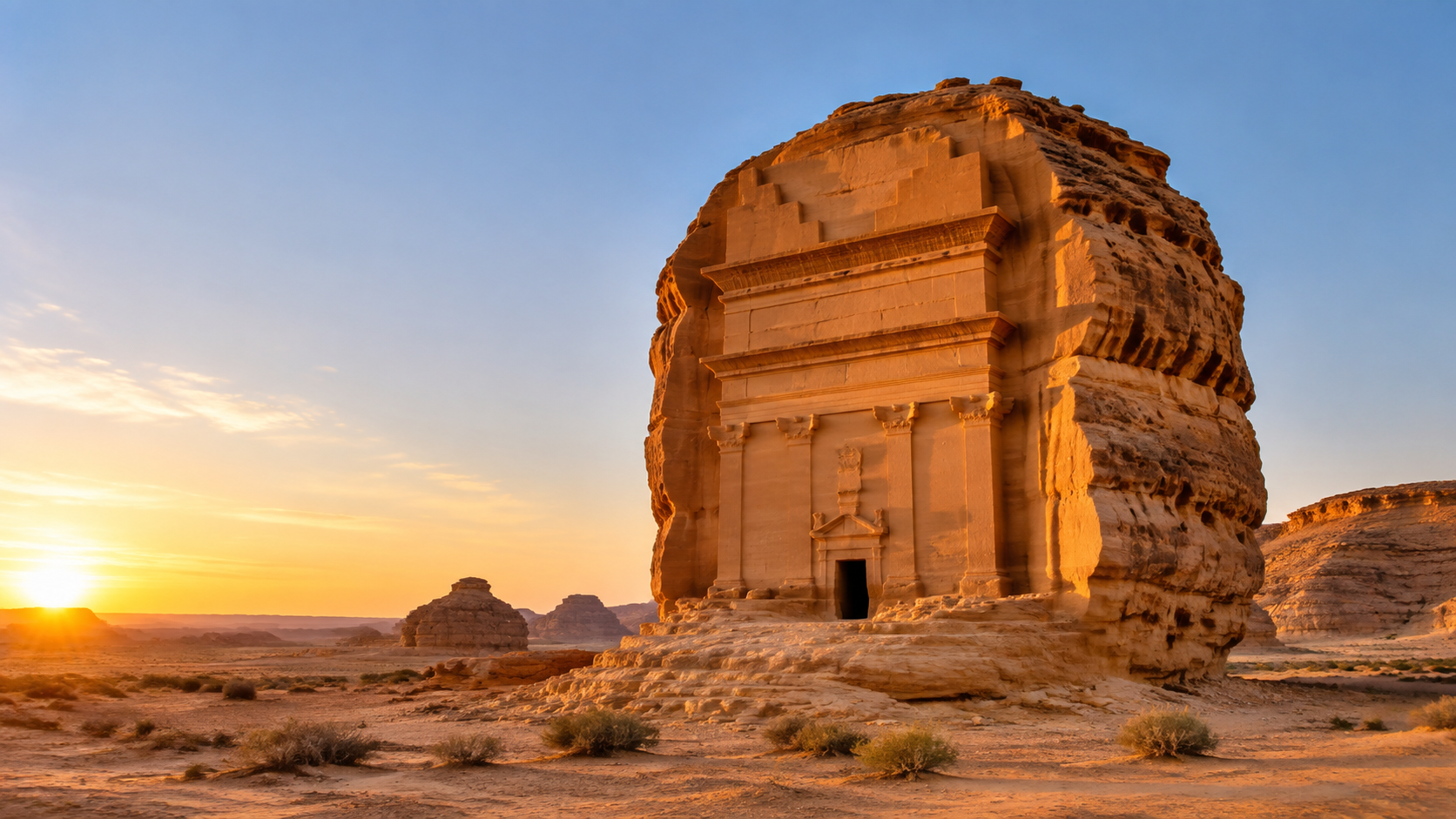
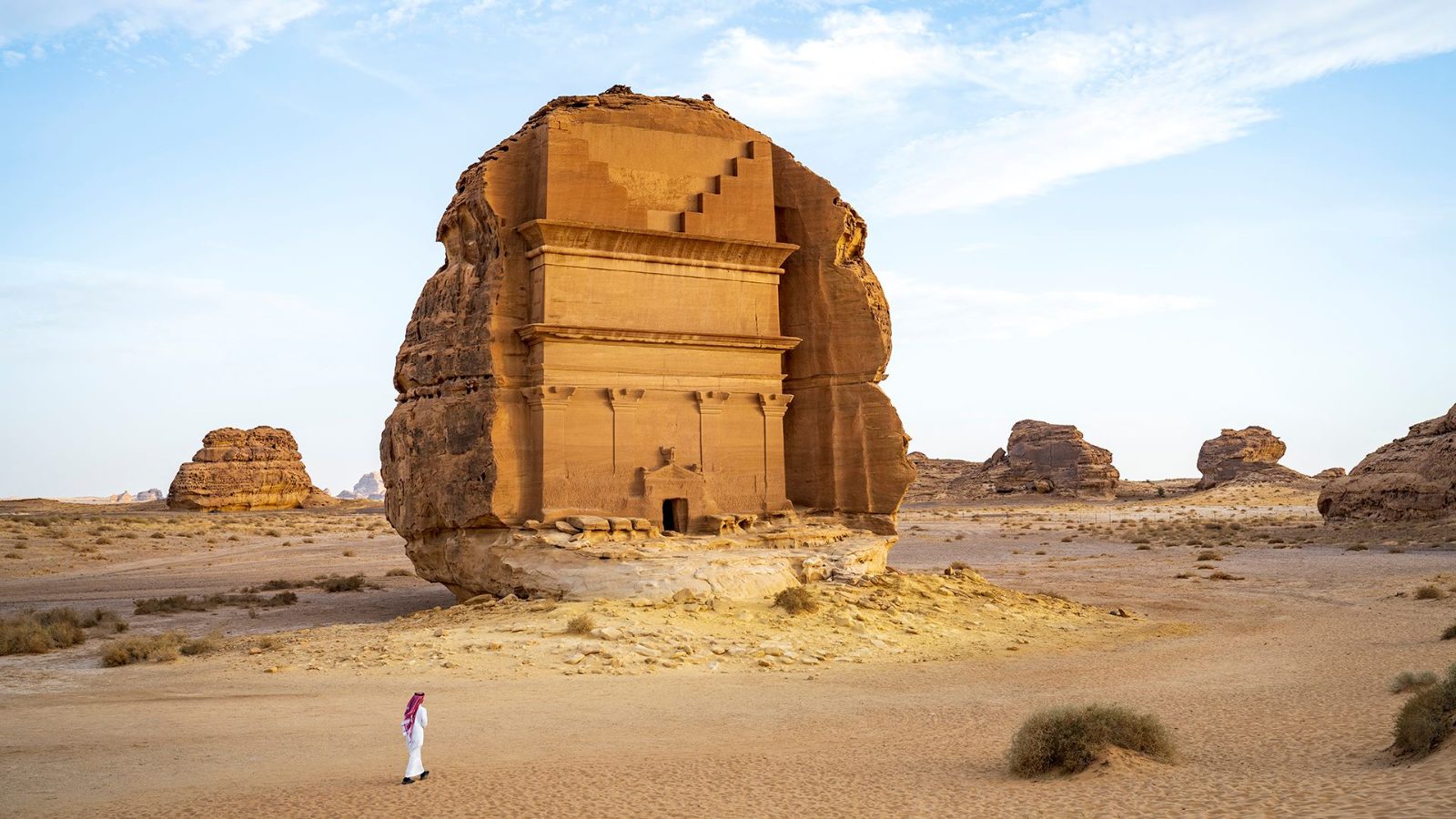
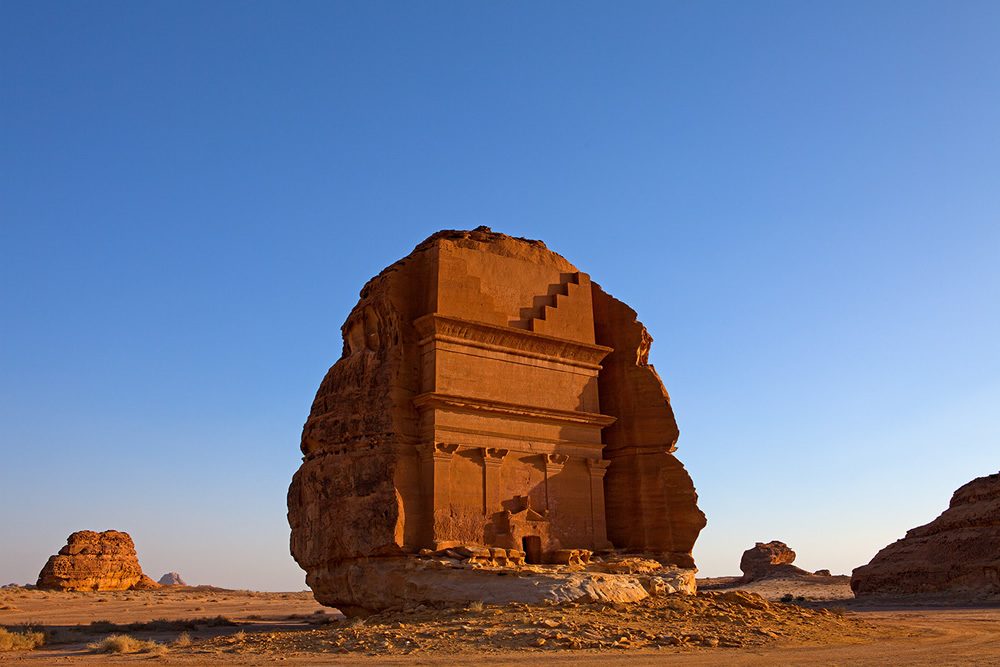
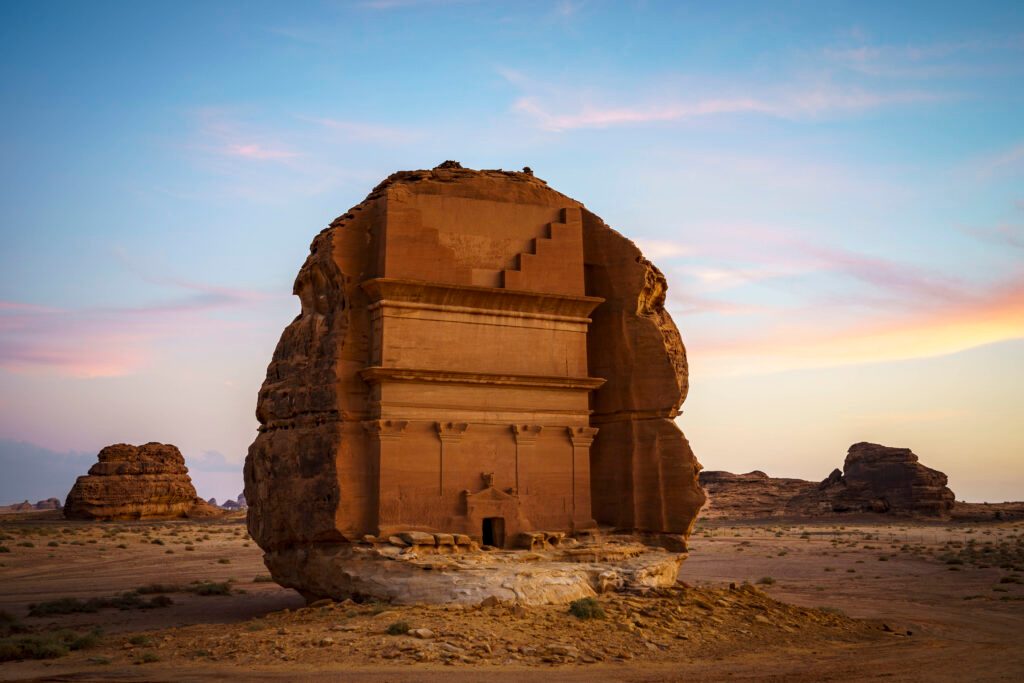
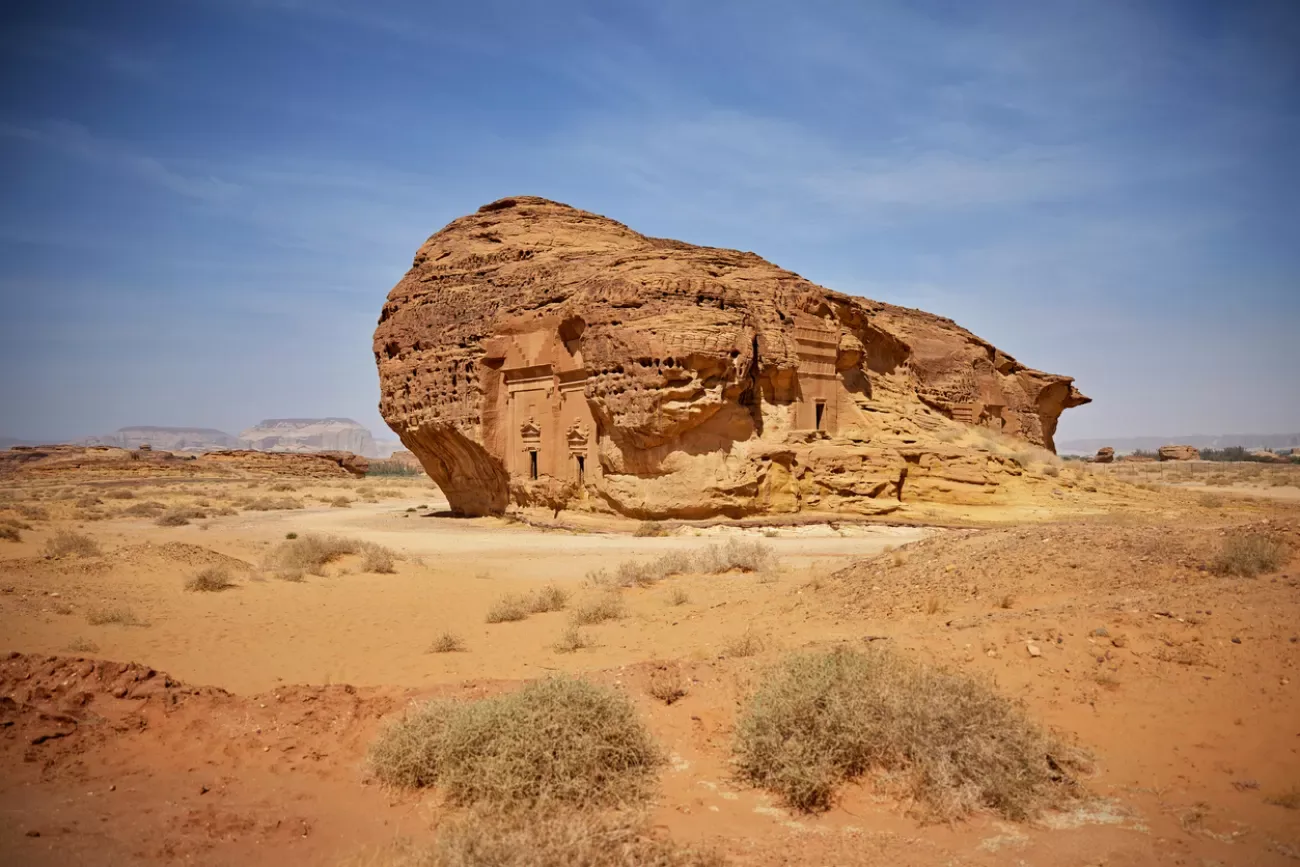
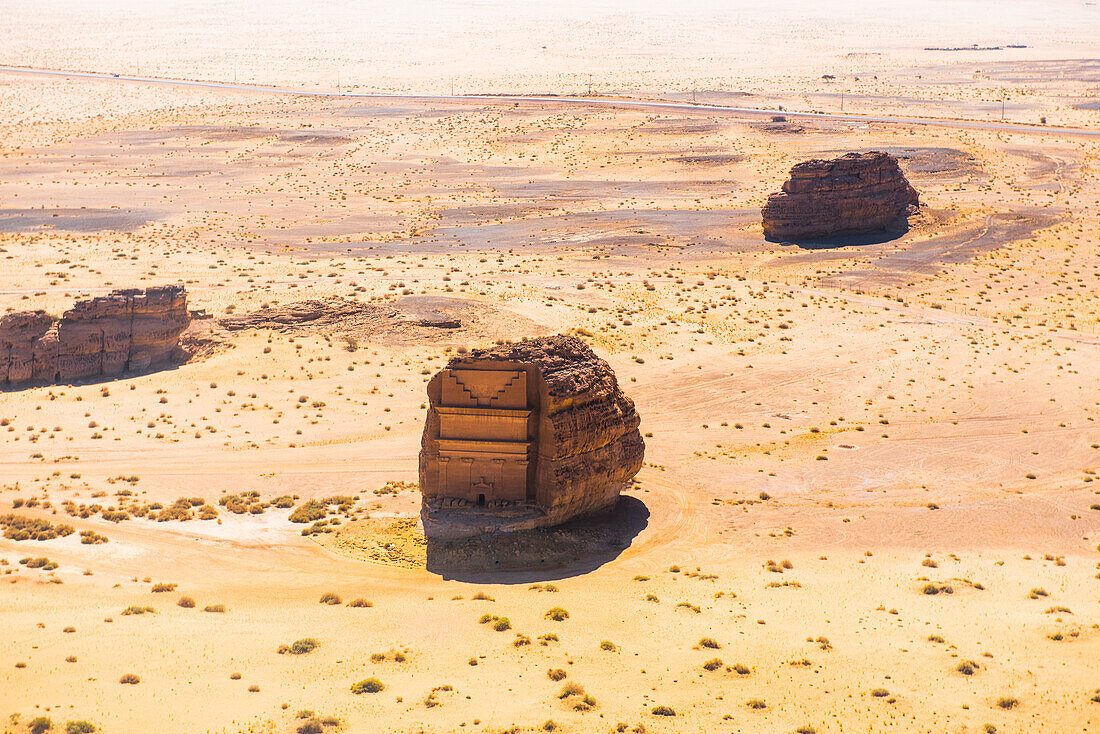
The largest tomb in the area, often called the Lonely Castle, stands 72 feet tall on its own solitary rock.

Jabal Ithlib

Jabal Ithlib

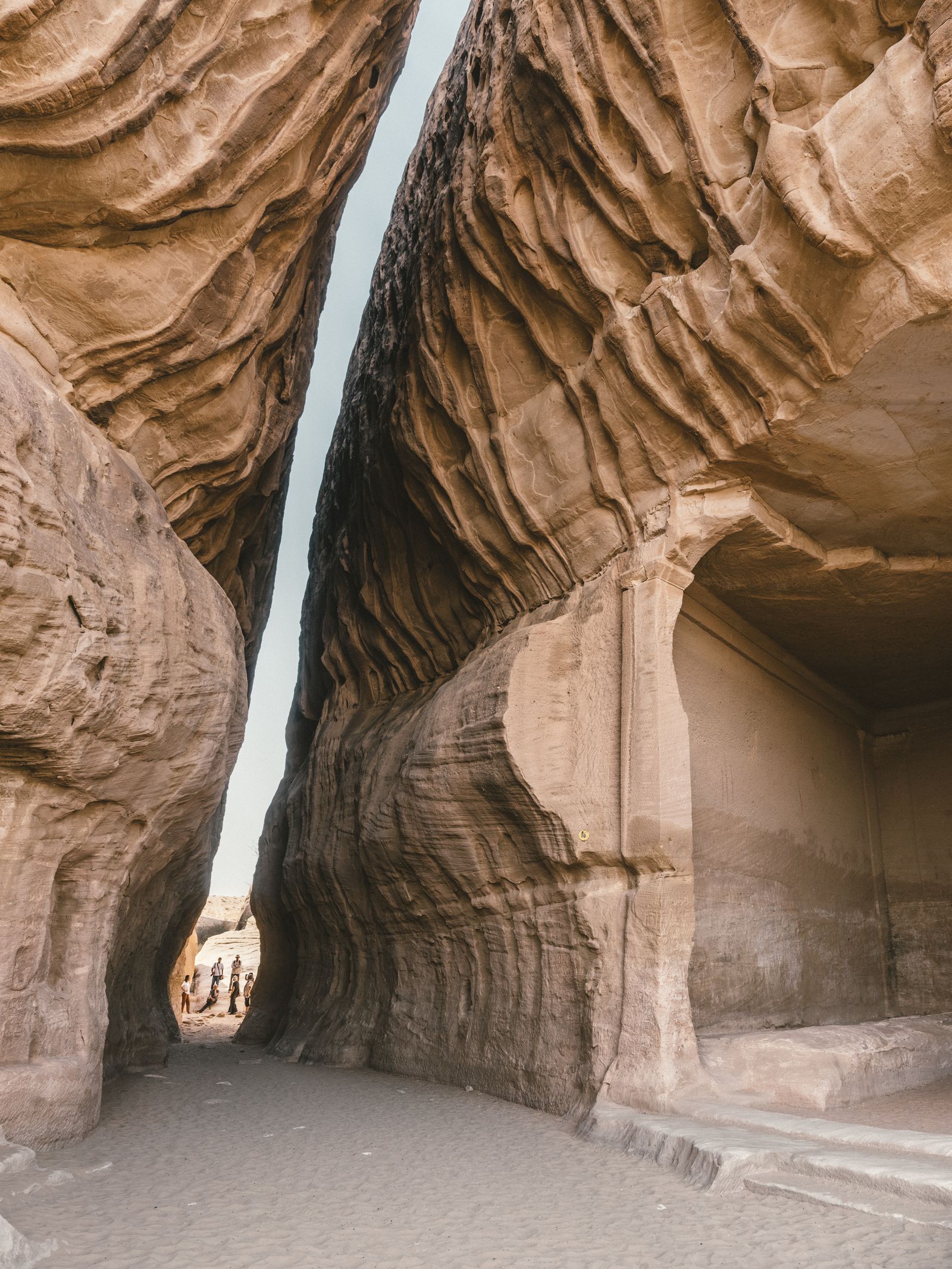
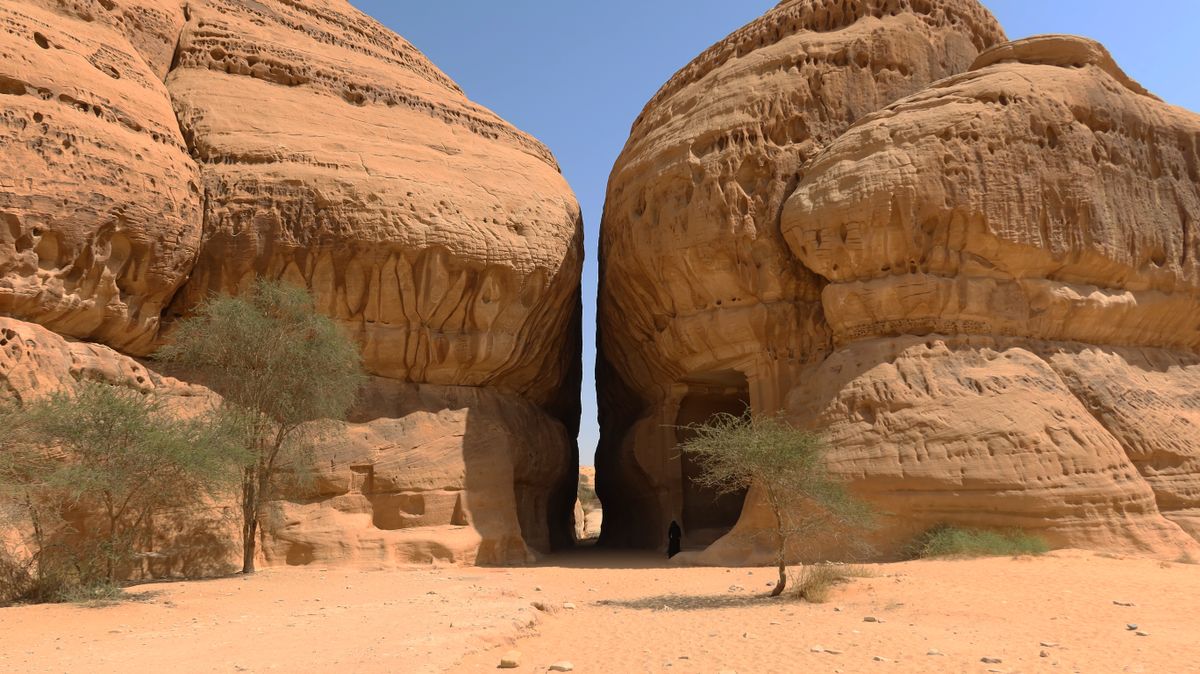
This massive natural rock formation features a deep, narrow canyon known as the Siq leading to a ritual gathering space.

Tomb of Lihyan son of Kuza

Tomb of Lihyan son of Kuza

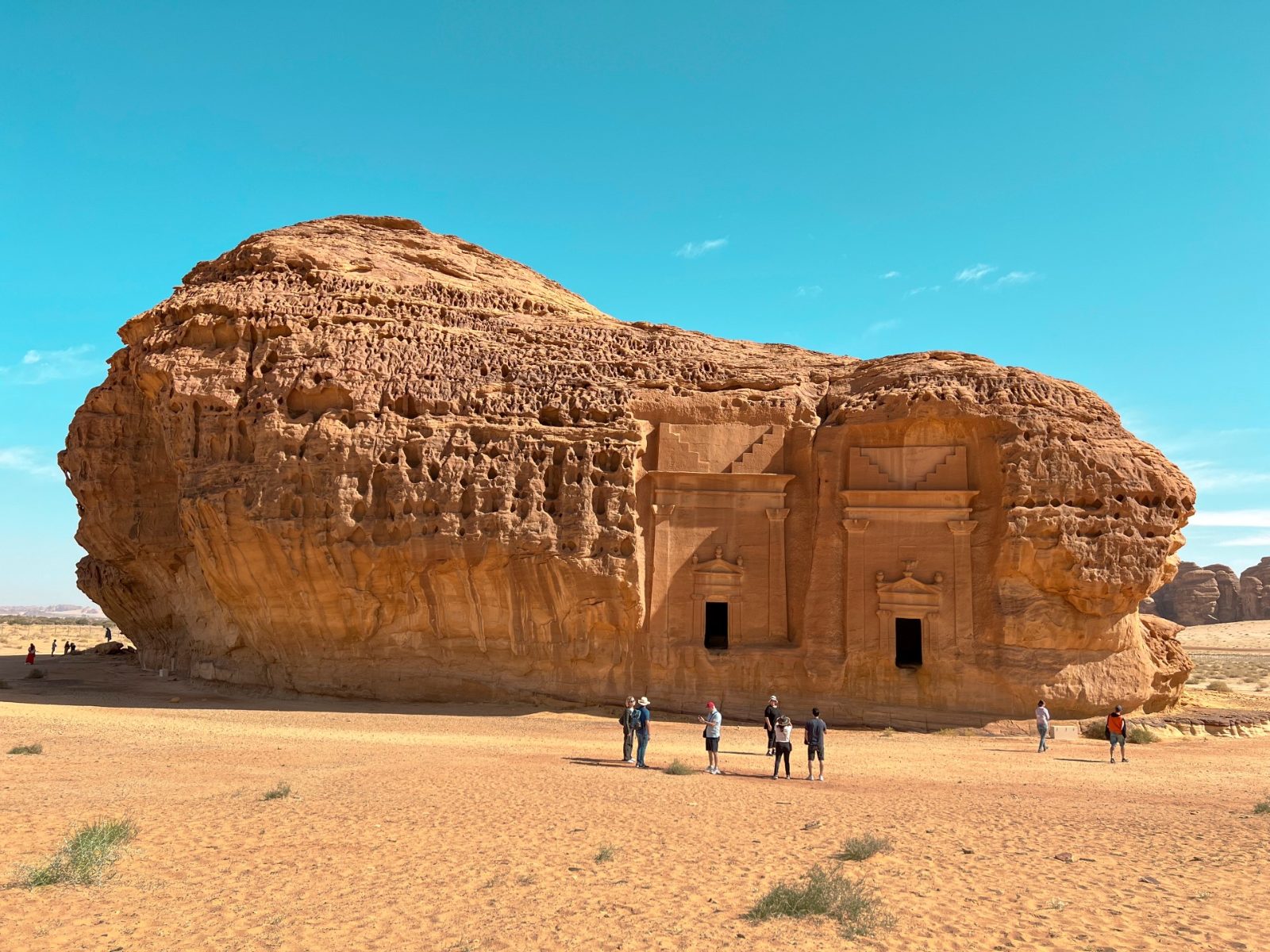
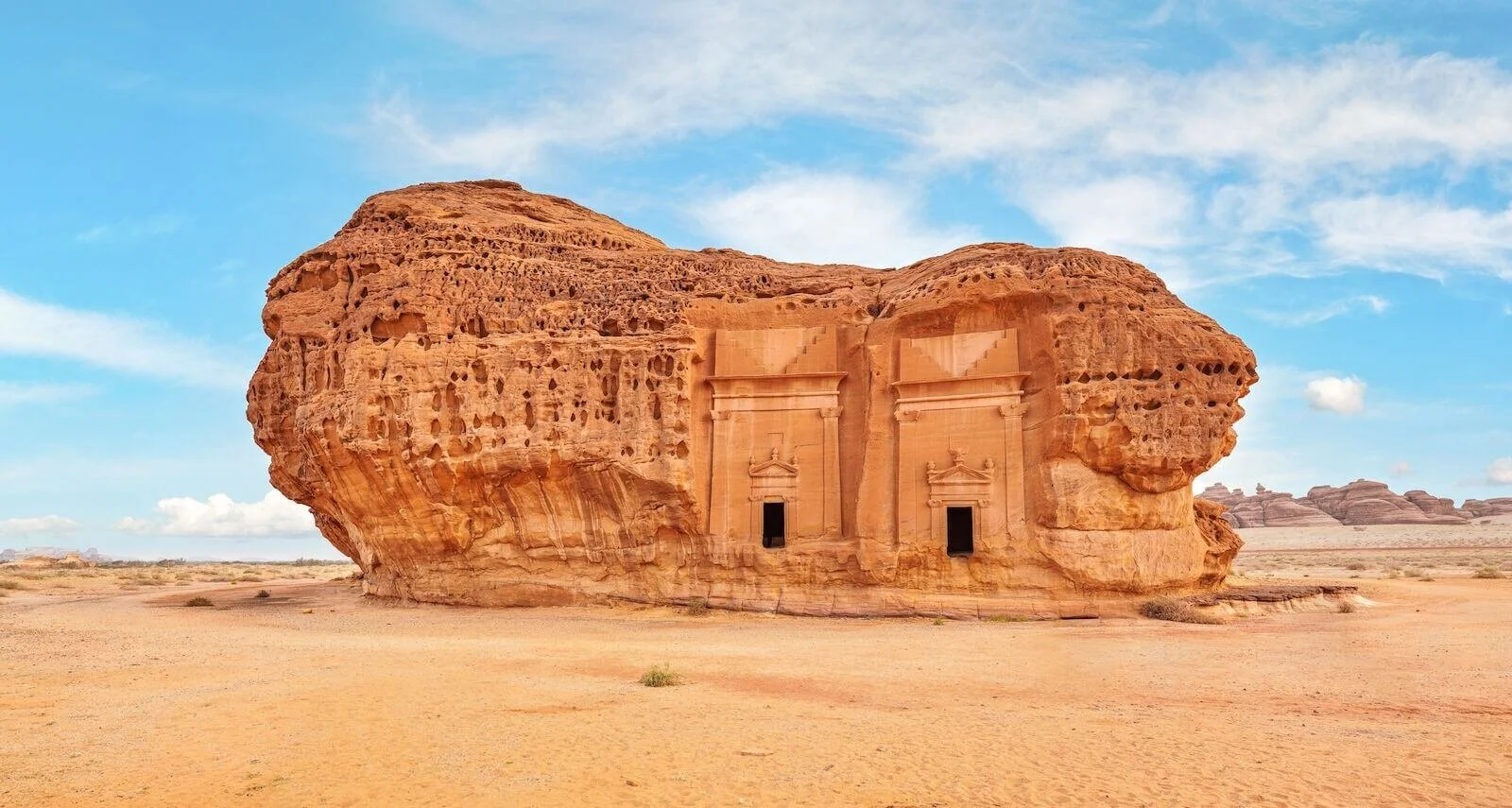
This monumental tomb displays the incredible architectural mastery of the Nabataean civilization dating back over 2,000 years.

Jabal Al Ahmar

Jabal Al Ahmar

One of the primary stops on the hegra tour route, showcasing significant inscriptions and well-preserved funerary architecture.

Jabal Banat

Jabal Banat

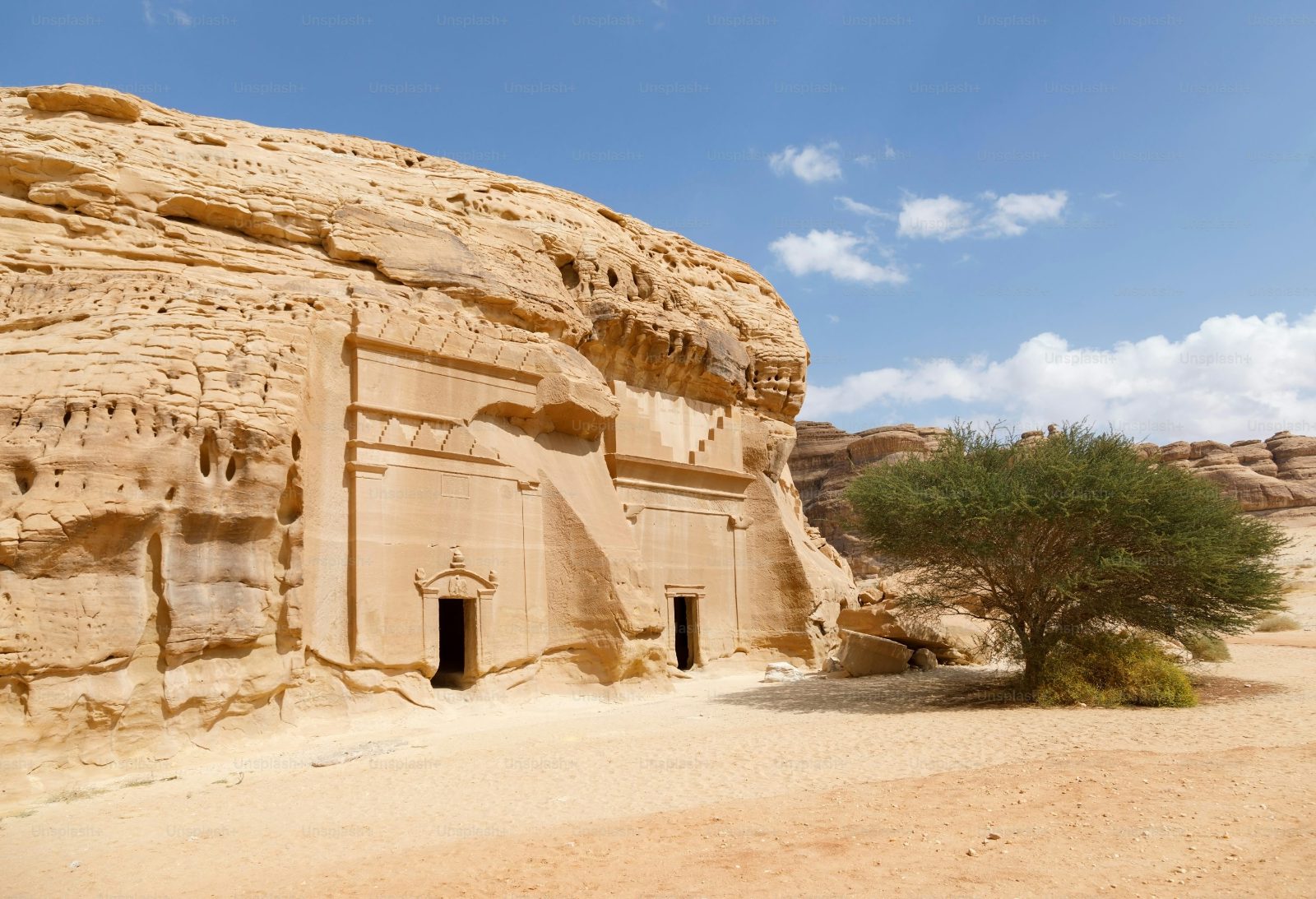
A collection of tombs that provides a unique look into the social hierarchy and funerary practices of ancient Hegra.

The experience

What visiting Hegra is really like

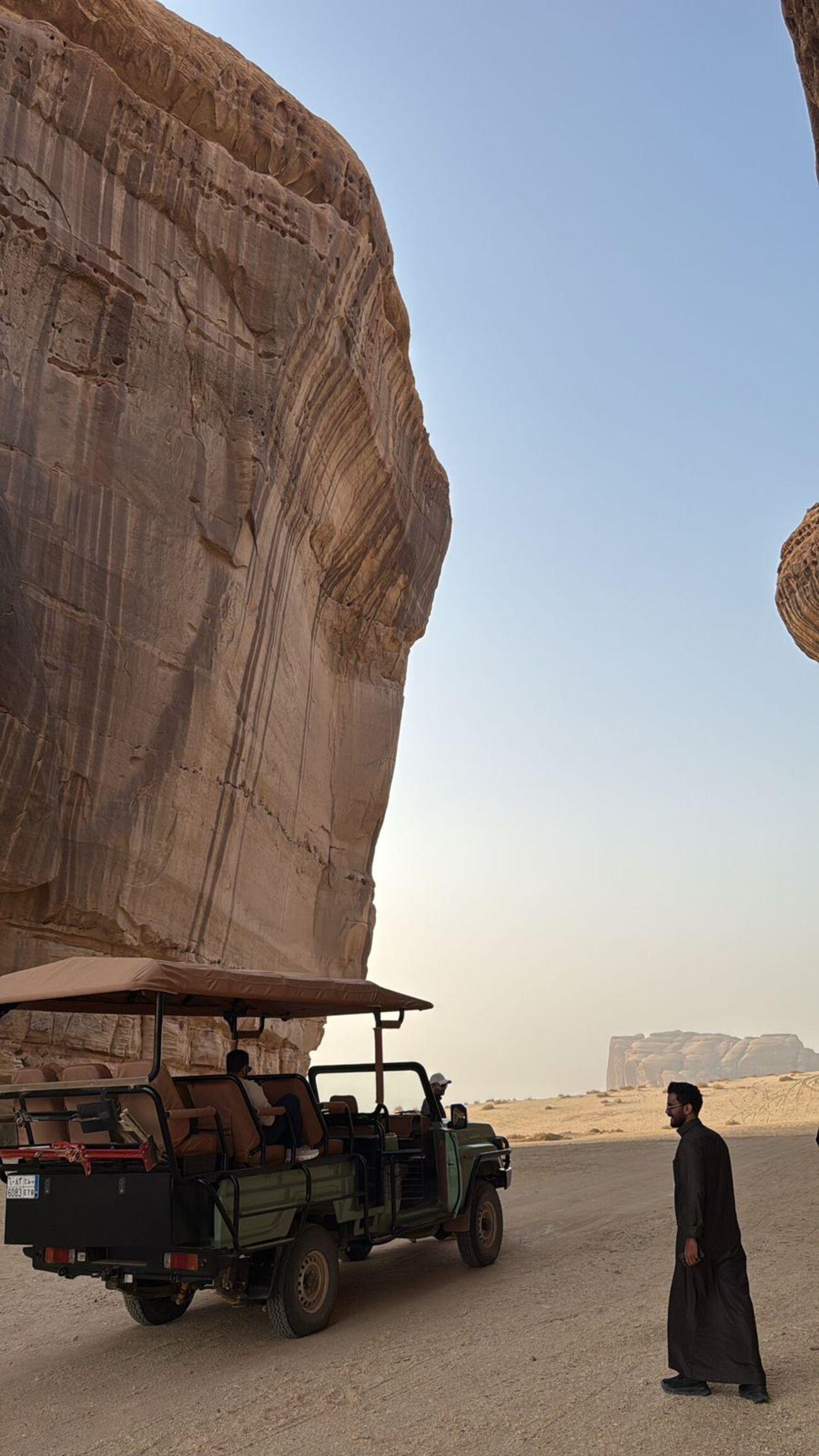
You arrive at the Hegra Visitor Centre thirty minutes before your scheduled entry, collecting your mobile voucher and boarding an air-conditioned Land Rover for the twelve-minute drive into the archaeological zone.

Read more Show less

Your guide stops first at Jabal Ithlib, where you walk a narrow siq toward an open-air sanctuary, Nabataean inscriptions lining the passage walls. You spend twenty minutes photographing the Diwan, a triclinium chamber used for ritual feasts, before continuing to the Jabal al-Banat sector.

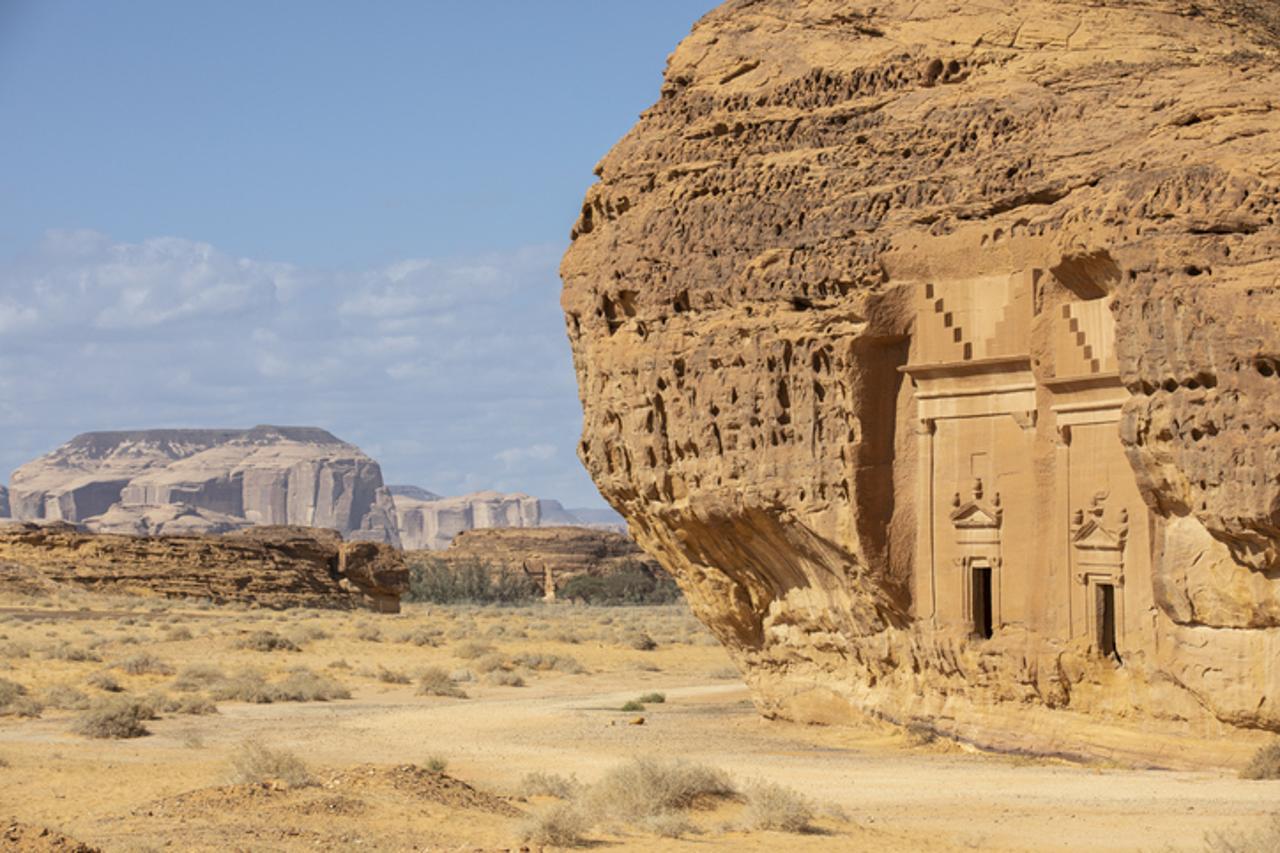
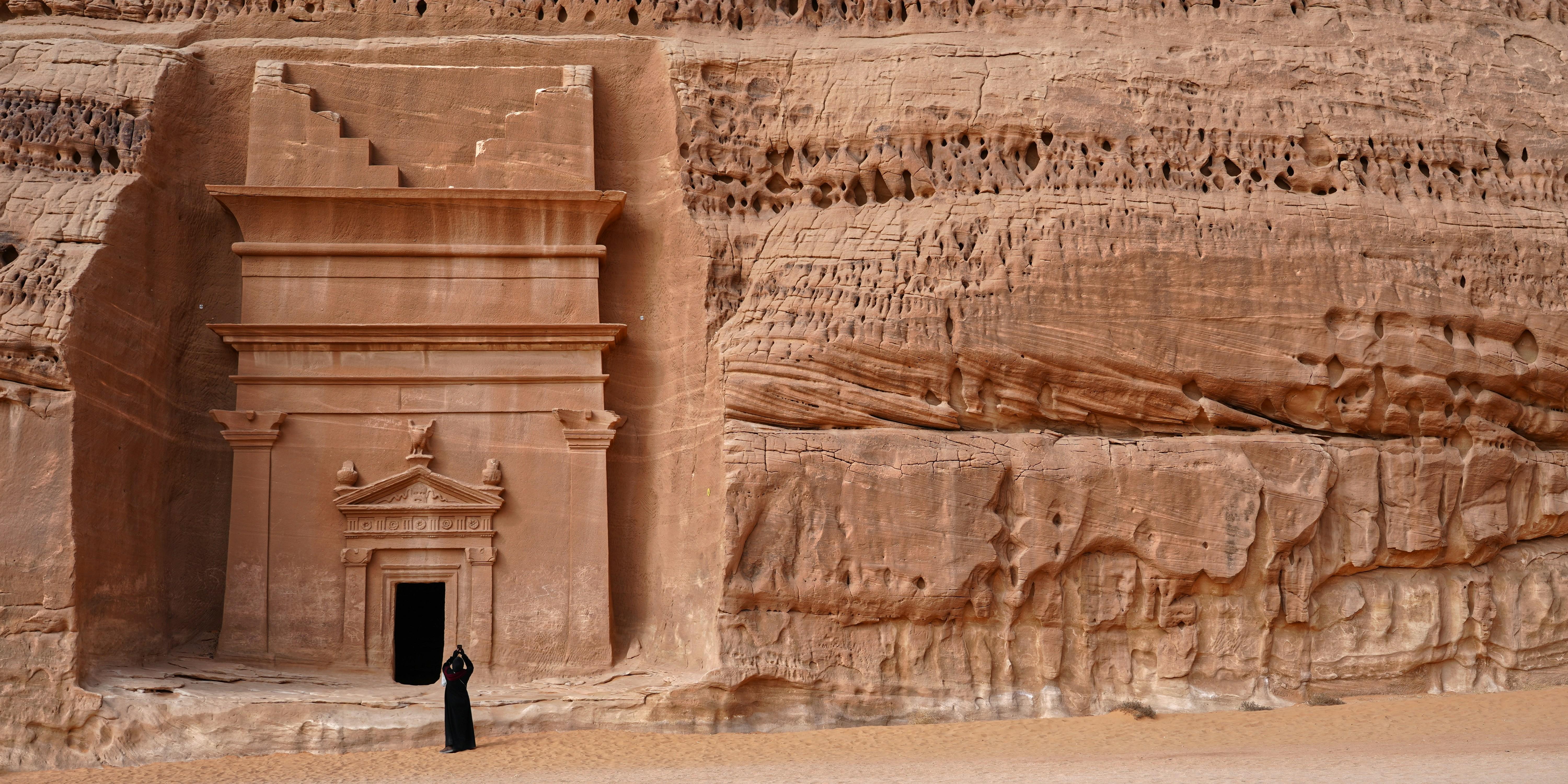
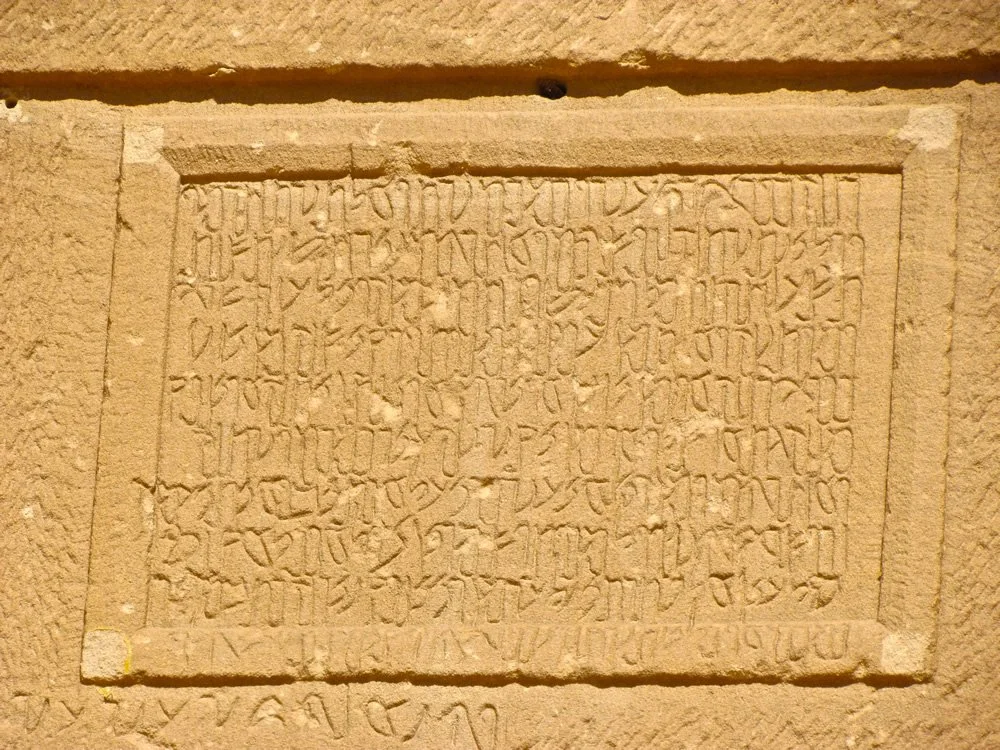
You step out at Tomb IGN 21, its stepped crenellations and eagle relief carved with precision into a freestanding outcrop. Your guide explains the significance of the dedicatory inscription naming the deceased and the year of completion. You move next to Qasr al-Farid, standing alone on a sand plain, its unfinished state revealing the top-down carving technique Nabataean masons employed. You circle the monument, noting tool marks still visible on the lower registers.

The route continues through residential ruins and the Hijaz Railway complex, where you explore Ottoman-era station buildings and rusting locomotives. You pause at a shaded rest area for bottled water before the final stop at Qasr al-Sani, a cluster of tombs with intact facades. You return to the visitor center after ninety minutes, heat and walking distance manageable in early-morning conditions.

Hegra Tour
Everything You Need to Know

Your complete Hegra guide

All the details about your upcoming adventure in one place

Hegra Tour: Saudi Arabia's First UNESCO Site

A hegra tour takes you through the ancient Nabataean city of Hegra, also known as Mada'in Salih, where more than 100 monumental tombs carved into sandstone outcrops reveal 2,000 years of desert history. Your guided hegra tour tours the archaeological site's most significant areas, including the tomb facades with their intricate inscriptions and the restored Hijaz Railway station. Expert guides explain the Nabataean civilization, ancient burial customs, and the site's role along historic trade routes connecting the Arabian Peninsula to the Mediterranean.

Hegra contains 111 monumental tombs carved between 1 CE and 75 CE, making it the largest preserved Nabataean settlement south of Petra. The site remained hidden from international scholarship until 1876, when Charles Doughty documented the funerary inscriptions during his travels through northwestern Arabia.

In 2008, Hegra became Saudi Arabia's first UNESCO World Heritage Site, recognized for its exceptional concentration of Nabataean rock-cut architecture and the preservation of pre-Islamic Arabian epigraphy across more than fifty inscribed facades.

The necropolis served as the southern capital of the Nabataean Kingdom, controlling incense trade routes between Yemen and the Mediterranean. Unlike Petra's rose-red cliffs, Hegra's tombs rise from golden sandstone outcrops scattered across thirteen square kilometers of desert. Qasr al-Farid, the site's most photographed monument, stands four stories tall as a single unfinished tomb, its Hellenistic pediment and engaged columns demonstrating the technical sophistication of first-century stonemasons. Recent excavations have revealed residential quarters, hydraulic systems, and a fortified area suggesting a permanent population managed water resources through an elaborate network of cisterns and wells that sustained agriculture in one of Arabia's driest regions.

Archaeological surveys conducted since 2002 have mapped over ninety Lihyanite and Thamudic inscriptions predating Nabataean occupation by several centuries. The Hijaz Railway station, constructed in 1907 as part of the Ottoman Damascus-Medina line, adds a layer of early twentieth-century industrial heritage. Fourteen restored locomotives and station buildings now stand preserved within the protected zone, illustrating the transition from ancient caravan routes to mechanized pilgrimage transport. Modern conservation efforts employ laser scanning and photogrammetry to document erosion patterns, as wind-driven sand continues to shape the facades at measurable rates.

Today's Hegra tour packages provide access to restricted archaeological zones under the oversight of the Royal Commission for AlUla. Guided interpretation focuses on Nabataean funerary practices, trade economy, and the relationship between tomb size and social status. The site opens daily except during extreme weather events, with visitor numbers capped to minimize impact on fragile sandstone surfaces. Evening access introduced in 2024 allows exploration under cooler conditions, with select tombs illuminated to emphasize architectural relief work invisible under midday sun.


Hegra contains 111 monumental tombs carved between 1 CE and 75 CE, making it the largest preserved Nabataean settlement south of Petra.

Dress code

Dress modestly to respect the cultural heritage site. Cover shoulders and knees, and avoid overly revealing clothing during your hegra tour.

Bags & security

Keep personal belongings secure throughout your hegra tour. Large bags may not be suitable for the coach transport or walking portions.

Photography

Photography is permitted for personal use. During your hegra tour, please be respectful when taking photos and avoid photographing locals without permission.

Families & strollers

The hegra tour is family-friendly and open to all ages. Children must be supervised at all times due to the fragile nature of the ancient Nabataean tombs.

Accessibility

The site involves walking on uneven desert terrain and sand, which can be challenging for those with limited mobility. Please notify the operator in advance if you have specific accessibility needs for your hegra tour.

Food & drink

No food or drink facilities are inside the restricted heritage areas. Guests are encouraged to carry water during their hegra tour, especially in the heat.

Not allowed

× Alcohol × Drugs × Pork products × Weapons × Drones × E-cigarettes × Vapes × Non-Islamic religious symbols × Explicit content × Spray paint × Tripods (without permit)

What to bring

✓ Sunscreen ✓ Hat ✓ Closed-toe walking shoes ✓ Sunglasses ✓ Water bottle ✓ Jacket (for cooler mornings)

Opening hours

Mon 06:30–18:00
Tue 06:30–20:30
Wed 06:30–20:30
Thu 06:30–20:30
Fri 06:30–20:30
Sat 06:30–20:30
Sun 06:30–18:00

How to get there

At a glance

Opening Hours

Mon/Sun 06:30–18:00, Tue–Sat 06:30–20:30

Address

Hegra Visitor Centre, AlUla 43541, Saudi Arabia

Accessibility

Regulated UNESCO site, limited wheelchair access

Best Arrival

06:30–09:00 for heat and crowd avoidance

Storage

Not available at the site

Navigation

Tours depart from Hegra Visitor Centre

Cancellation policy

Changes and refunds are allowed up to 3 days before the booked date. Bank credit card charges are non-refundable and no changes or refunds are permitted on the day of your hegra tour.

Plan your time

Planning Your Hegra Tour: Duration and Timing

Recommended time

3-4 hours

Allocating this time allows you to explore the archaeological remains and ancient Nabataean rock-cut tombs at a steady pace. Choosing a hegra tour during the early morning helps you bypass peak desert temperatures and the densest visitor numbers. If you prefer a more thorough exploration of the site, consider booking hegra tour tickets for the first available time slot to ensure a relaxed experience. Managing your schedule effectively ensures you have sufficient hegra tour tours flexibility to capture the scale of this UNESCO heritage landscape.

Crowd levels through the day

06:30–09:00 Light
09:00–12:00 Moderate
12:00–15:00 Peak
15:00–18:00 Moderate
18:00–20:30 Light
The story

Historical Significance of the Hegra Tour in Saudi Arabia

Hegra, known in antiquity as Hegra or al-Hijr, emerged as the southern capital of the Nabataean Kingdom around the first century BCE. The Nabataeans, originally nomadic Arab traders, transformed this desert outpost into a prosperous commercial hub along the incense route connecting the Arabian Peninsula with Mediterranean markets. By the first century CE, Hegra had grown into the kingdom's second-largest city after Petra, serving as a critical waystation where caravans carrying frankincense, myrrh, and spices paused for rest and trade. The site's 111 monumental tombs, carved directly into sandstone outcrops between 1 CE and 75 CE, demonstrate the sophisticated hydraulic engineering and architectural prowess of Nabataean craftsmen who adapted Hellenistic, Egyptian, and Assyrian design elements into a distinctive Arabian style. Roman annexation in 106 CE brought Hegra under imperial control as part of Provincia Arabia. The city continued as a garrison town, with Roman legionaries stationed to protect trade routes and maintain order. Inscriptions in Nabataean, Greek, and Latin reveal the multicultural character of this frontier settlement. However, shifting trade patterns and the rise of maritime routes gradually diminished Hegra's commercial importance by the third century CE. The settlement was largely abandoned by the fifth century, and desert sands slowly reclaimed the tombs and structures. Islamic tradition later associated the site with the Thamudic people mentioned in the Quran, leading to centuries of religious prohibition against inhabiting the ruins. This isolation paradoxically preserved Hegra's architecture from looting and urban encroachment. Archaeological excavation began in earnest only in the early 2000s, revealing residential quarters, wells, and a sophisticated water management system. In 2008, Hegra became Saudi Arabia's first UNESCO World Heritage Site. Today, a Hegra tour offers access to Qasr al-Farid, the iconic unfinished tomb, alongside dozens of other funerary monuments that survived two millennia virtually intact, making the site one of the best-preserved examples of Nabataean civilization outside Petra.

1st c. BCE

Nabataeans establish Hegra as a key trading post on the incense route

1–75 CE

Craftsmen carve 111 monumental tombs into sandstone outcrops, creating elaborate facades

106 CE

Roman Empire annexes the Nabataean Kingdom, incorporating Hegra into Provincia Arabia

3rd–5th c. CE

Decline of overland trade routes leads to gradual abandonment of the settlement

2008

Hegra receives designation as Saudi Arabia's first UNESCO World Heritage Site

2020

Site opens to international tourism for the first time, offering structured hegra tour tickets and guided experiences

Photo spots

Best Photo Spots on a Hegra Tour

Qasr al-Farid

Qasr al-Farid

Best light · Early morning for soft shadows

Position yourself on the sandy plain directly in front of this solitary four-story tomb to capture its isolated facade against the desert horizon. This iconic site is a highlight of any hegra tour.

Jabal Ithlib

Jabal Ithlib

Best light · Before 10:00

Walk into the natural Siq gorge to frame the narrow rock walls leading toward the Diwan, an ancient ceremonial chamber. The play of light between the towering sandstone cliffs creates high contrast for your hegra tour tours.

Tomb of Lihyan son of Kuza

Tomb of Lihyan son of Kuza

Best light · Golden hour

Stand at the base of this largest monument, looking upward to emphasize the scale of its intricately carved entrance. Using a wide-angle lens helps when securing hegra tour tickets to visit this monumental UNESCO heritage site.

Jabal al-Ahmar

Jabal al-Ahmar

Best light · Late afternoon

Focus on the unique reddish sandstone hue of these tombs by finding a vantage point slightly elevated on the surrounding dunes. This provides a clear perspective for your hegra tour tour.

Gallery

Moments from Hegra

Food & drink

Dining Options Near Your Hegra Tour

Dining options are concentrated at the Hegra Visitor Centre, providing convenient refreshments before or after your hegra tour. While the site itself is an archaeological landscape, the visitor centre serves as the primary hub for culinary stops near this UNESCO heritage site.

Hegra Visitor Centre Café

€€

Café inside

Offers light snacks, pastries, and artisanal coffee for visitors securing their hegra tour tickets. It serves as a quiet spot to rest before exploring the ancient Nabataean tombs.

Winter Park

€€€

Outdoor dining area

Located a short drive away, this area features various food trucks and pop-up eateries. It is ideal for those seeking a diverse selection of local and international bites after completing their hegra tour tours.

AlUla Old Town restaurants

€€€

Bistro/Café

A collection of cafes and eateries located a short commute from the site. These establishments provide a relaxed environment to discuss the insights gained during your hegra tour tour.

Customer Reviews

What travelers say about Hegra

Real experiences from real travelers

4.5
Based on 2,400 reviews
1 ★ 320
2 ★ 410
3 ★ 890
4 ★ 2100
5 ★ 8900
S
Sarah M.
United Kingdom · 2026-08-15

Worth every minute

Our guide brought the Nabataean civilization to life with stories about the trade routes and burial customs. The scale of the carved tombs is something photographs cannot capture. We visited mid-morning and had comfortable temperatures for walking between the monuments.

C
Carlos R.
Spain · 2026-07-22

Exceptional archaeological site

The preservation of Qasr al-Farid and the other tombs is remarkable. Our hegra tour included access to areas with ancient inscriptions that provided context about the people who built this place. The desert setting adds to the atmosphere.

Y
Yuki T.
Japan · 2026-06-09

Peaceful and impressive

We chose an early morning hegra tour to avoid the heat. The light on the sandstone cliffs at that hour was beautiful. Our guide explained the Nabataean architectural techniques and pointed out details we would have missed on our own.

M
Michael B.
United States · 2026-05-18

Fascinating historical experience

The tombs are spread across a larger area than I expected, so comfortable walking shoes are essential. The carved details and the sheer number of monuments make this site unique. Our guide provided clear explanations about the UNESCO recognition.

E
Emma K.
Australia · 2026-04-30

Unforgettable desert monuments

Hegra tours reveal the sophistication of Nabataean engineering and artistry. Standing in front of these 2000-year-old structures carved directly into the rock face is humbling. The site is well-maintained with clear pathways.

A
Andreas L.
Germany · 2026-03-14

Outstanding guided experience

The hegra tour tickets included transportation and a knowledgeable guide who shared insights about the burial practices and symbolism in the carvings. Qasr al-Farid standing alone in the sand is an iconic sight.

P
Priya S.
India · 2026-02-28

Rich cultural heritage

Our visit included stops at multiple tomb clusters, each with distinct architectural features. The guide explained how Hegra was a key Nabataean city along ancient incense routes. The desert landscape surrounding the monuments is striking.

J
Jean-Pierre D.
France · 2025-12-10

Impressive archaeological wonder

The hegra tour exceeded expectations. The façades show Greek, Egyptian, and local influences blended into unique designs. We spent three hours exploring and could have stayed longer. The site offers genuine historical depth.

L
Linda H.
Canada · 2026-09-03

Must-visit heritage site

Hegra's tombs demonstrate the Nabataean mastery of stone carving on a monumental scale. Our afternoon hegra tour provided excellent photo opportunities with dramatic shadows on the cliff faces. The guides are well-trained and respectful of the site.

R
Ricardo P.
Brazil · 2026-08-01

Spectacular carved tombs

The hegra tour tours we researched all emphasized hiring licensed guides, which proved valuable for understanding the context. The preservation efforts have protected intricate details like column capitals and inscriptions. A significant archaeological treasure.

FAQ

Hegra — frequently asked questions

Everything you need to know for your journey

Ready for Adventure?

Join thousands of happy travelers who have discovered this incredible experience

Book Your Experience Now