English| EUR
Suggested for you
More currencies
Book Now
Open today · 06:30–20:30

Hegra Day Tour

Hegra Day Tour — UNESCO Heritage Site Entry & Guided Walks

Walk among Nabataean tombs carved two millennia ago, Saudi Arabia's first World Heritage landscape.

50K+ travelers chose this
Free Cancellation
Right now: Moderate — autumn shoulder season Arrive at your meeting point 15 minutes before the booked time.
Free Cancellation
Free cancellation Instant confirmation Mobile voucher Verified partner Skip-the-line
95 SAR
Entrance Fee
Includes tour and bus transport
06:30
Opening Time
Monday–Sunday
20:30
Latest Closing
Tuesday–Saturday
52 km²
Site Area
UNESCO World Heritage property
Choose your ticket

Hegra Day tickets at a glance

Compare fares, pick the fit — all bookings are mobile-voucher and eligible for free cancellation where shown.

AlUla Heritage & Hegra Full-Day Tour 6 hr
Guided Experience

AlUla Heritage & Hegra Full-Day Tour

4.9 (16)
€175
  • Expert local guide
  • Small group
  • Skip-the-line access
  • Free cancellation
Book this ticket
Hegra UNESCO World Heritage Site Tour 2 hr
Standard Entry

Hegra UNESCO World Heritage Site Tour

3.9 (25)
€31
  • Entry ticket
  • Mobile voucher
  • Valid same day
  • Free cancellation
Book this ticket
Compare options

Compare Hegra Day ticket options

Selecting the right hegra day tour helps you navigate this UNESCO heritage site with ease. Whether you prefer a group setting or an exclusive 4x4 experience, these official Hegra tickets ensure you have the required guide and transport for your visit.

Top pick
Standard Tour Shared Coach Experience
Premium Tour Private 4x4 Vehicle
Entrance Fee From 1000 SAR per vehicle
Duration 2 hours
Transport Premium 4x4 vehicle
Group Size Up to 7 guests
Access Method Timed slot booking
Best for Those seeking comfort and flexibility

Verdict: For the typical traveler, the hegra day tour tickets for the standard coach provide the most essential and comprehensive entry to the landmarks.

Is a Hegra Day Tour Worth the Conservation Fee?

Worth it for history enthusiasts and cultural travelers

The 95 SAR conservation fee for a hegra day tour delivers meaningful value when you understand what's included: mandatory guided access to Saudi Arabia's first UNESCO World Heritage Site, climate-controlled bus transport between tomb clusters, and expert commentary on Nabataean civilization. Unlike self-guided monuments, Hegra's 111 monumental rock-cut tombs require escorted entry to protect the 2,000-year-old inscriptions and facades. The fee funds ongoing archaeological work and site preservation. Tours like the Hegra UNESCO Heritage Site Tour and AlUla Heritage & Hegra Full-Day Tour package this access with additional AlUla landmarks, spreading the cost across a richer itinerary. The sunrise hot air balloon option offers aerial views of the desert necropolis, though at a premium. For visitors prioritizing ancient Nabataean architecture and desert archaeology over general sightseeing, the conservation investment pays off through exclusive access and structured interpretation you can't replicate independently.

What makes it worth it

  • Includes guided access to restricted UNESCO site
  • Climate-controlled bus between widely spaced tomb clusters
  • Expert commentary on Nabataean inscriptions and architecture
  • Conservation fee supports ongoing archaeological preservation
  • Combine with AlUla landmarks on full-day tours

Keep in mind

  • No self-guided option available
  • Limited time at each tomb cluster
  • Midday heat affects comfort despite bus transport
  • Additional costs for premium experiences like balloon flights

Bottom line: The hegra day tour tickets justify their cost for anyone serious about ancient civilizations and desert heritage, though casual sightseers may find better value in combined AlUla itineraries.

Head to head

Hegra Day Tour vs Dadan & Jabal Ikmah Tour — Which Heritage Experience Is Right for You?

They complement each other; most visitors who do both call the Hegra day tour the more visually grand experience, while the Dadan & Jabal Ikmah circuit provides deeper historical context.

Top pick
Hegra Day Tour
Dadan & Jabal Ikmah Tour
Focus Lihyanite ruins and inscriptions
Transport Guided bus transit
Duration 2 hours
Entrance fee 60 SAR (summer)
Primary activity Viewing ancient petroglyphs
Difficulty Low (walking on sand)

Verdict: Choose the Hegra day tour if you want to see iconic, large-scale rock-cut architecture, or select the Dadan & Jabal Ikmah tour to explore the region's ancient linguistic roots and smaller archaeological treasures.

Featured Experiences

Popular Hegra Day tours & activities

Hand-picked experiences loved by thousands of travelers

Recommended Experience

Powered by GetYourGuide

Another traveler favorite

Powered by GetYourGuide
AlUla Private Cultural Discovery Tour 7 hours Free Cancellation

AlUla Private Cultural Discovery Tour

Explore Saudi Arabia's ancient wonders with a native guide through Hegra, Maraya, and desert landscapes

5 (21)
FromFrom €250.35
See details
AlUla Sunrise Hot Air Balloon Over Hegra 3 hours Free Cancellation

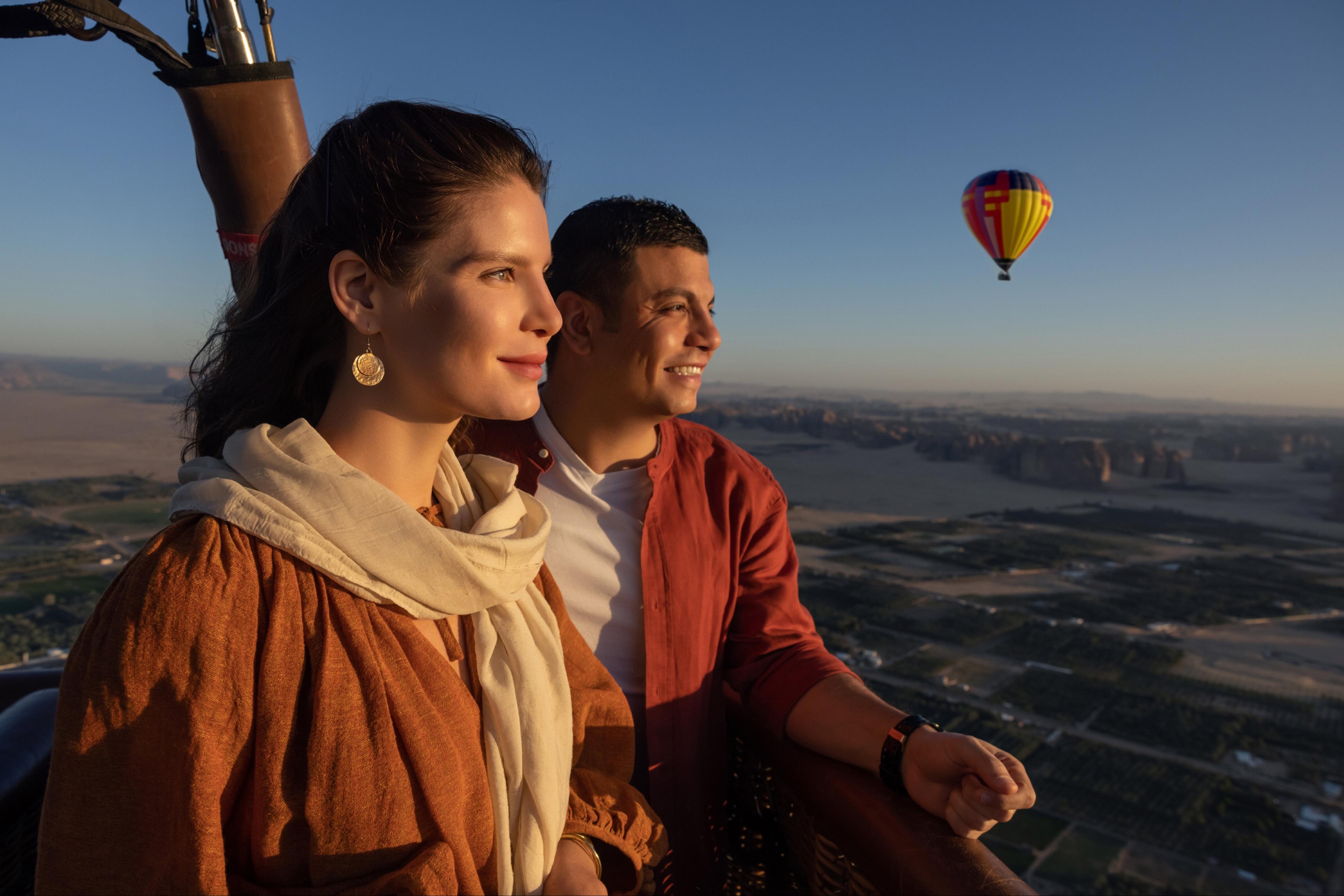
AlUla Sunrise Hot Air Balloon Over Hegra

Drift over ancient tombs and golden canyons as dawn breaks across AlUla's desert landscape

4.7 (46)
FromFrom $345
See details
Hegra Nature Safari: Wildlife & Landscapes in 4x4 2 hours Free Cancellation

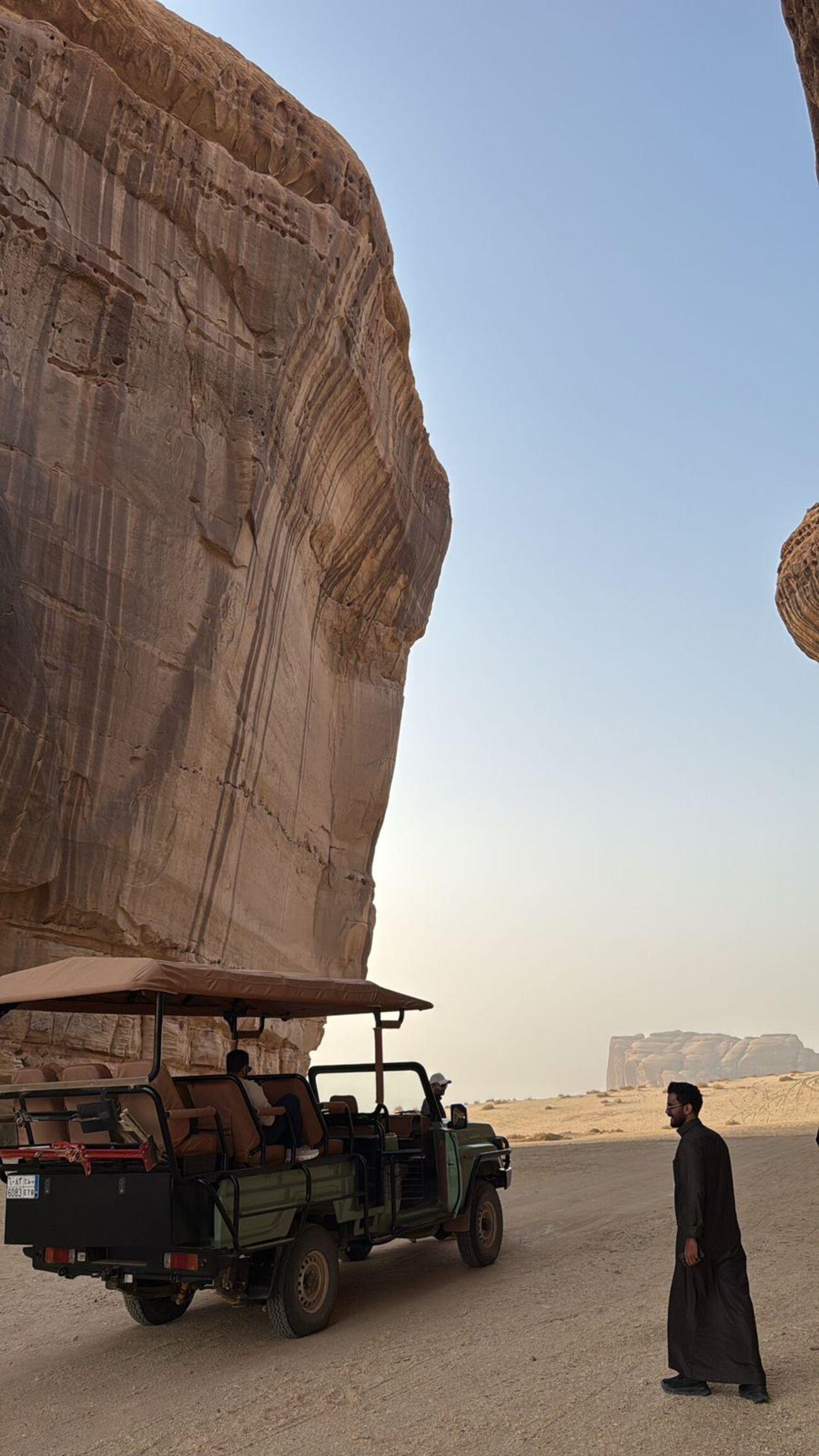
Hegra Nature Safari: Wildlife & Landscapes in 4x4

Journey through AlUla's stunning nature reserve on an open-top safari, discovering native wildlife and ancient rock art.

4.7 (15)
FromFrom $99
See details
AlUla Local Experience: Heritage Sites & Desert Wonders 8 hours Free Cancellation

AlUla Local Experience: Heritage Sites & Desert Wonders

Journey through ancient Nabataean tombs, desert rock formations, and mirrored architecture with an insider guide

4.7 (33)
FromFrom $349
See details
Private Hegra Discovery in Classic Land Rover 2 hours 30 minutes Free Cancellation

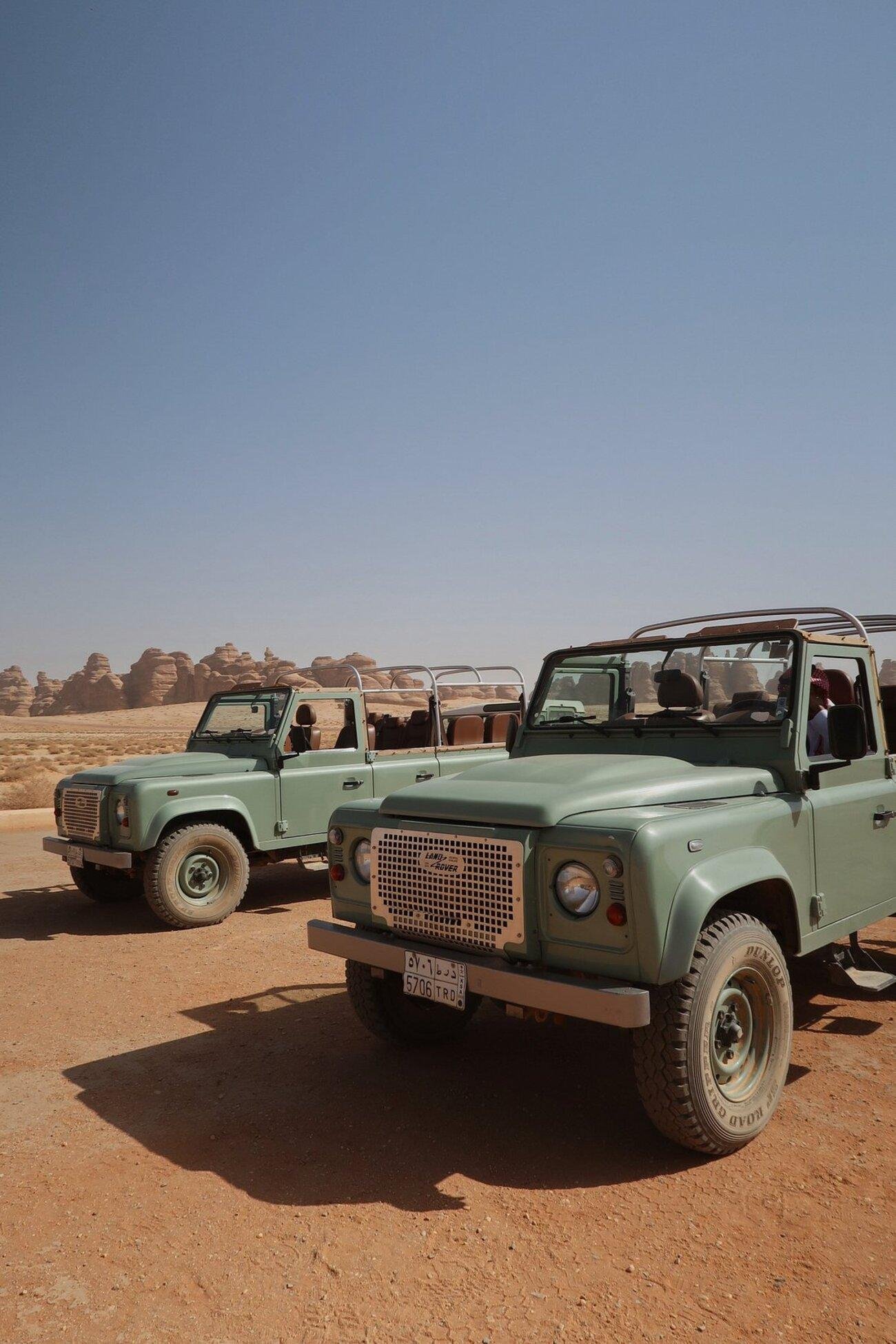
Private Hegra Discovery in Classic Land Rover

Journey through Saudi Arabia's first UNESCO site in a vintage 4x4 with an expert local guide

4.8 (11)
FromFrom $499
See details
AlUla Private Cultural Tour for Solo Travelers 8 hours Free Cancellation

AlUla Private Cultural Tour for Solo Travelers

Explore Hegra, Old Town, and desert landmarks with a personal guide—designed for independent travelers.

4.8 (7)
FromFrom €245.08
See details
AlUla Full-Day Heritage & Nature Tour 8 hours Free Cancellation

AlUla Full-Day Heritage & Nature Tour

Discover UNESCO-listed Nabataean tombs, ancient kingdoms, desert oases, and iconic rock formations in a single day

5 (2)
FromFrom €285.49
See details
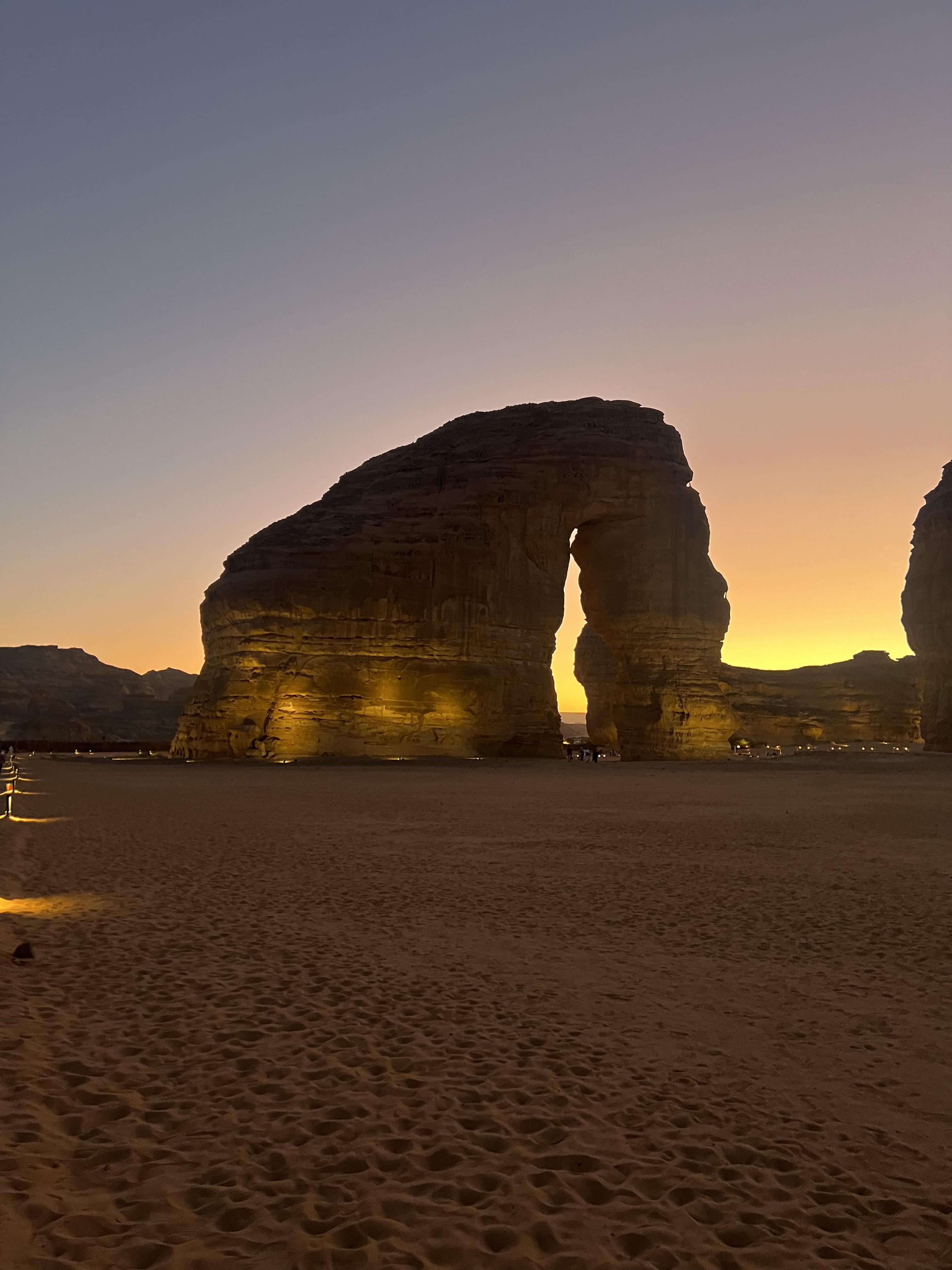
AlUla Heritage Tour: Hegra, Elephant Rock & Ancient Inscriptions 6 hours Free Cancellation

AlUla Heritage Tour: Hegra, Elephant Rock & Ancient Inscriptions

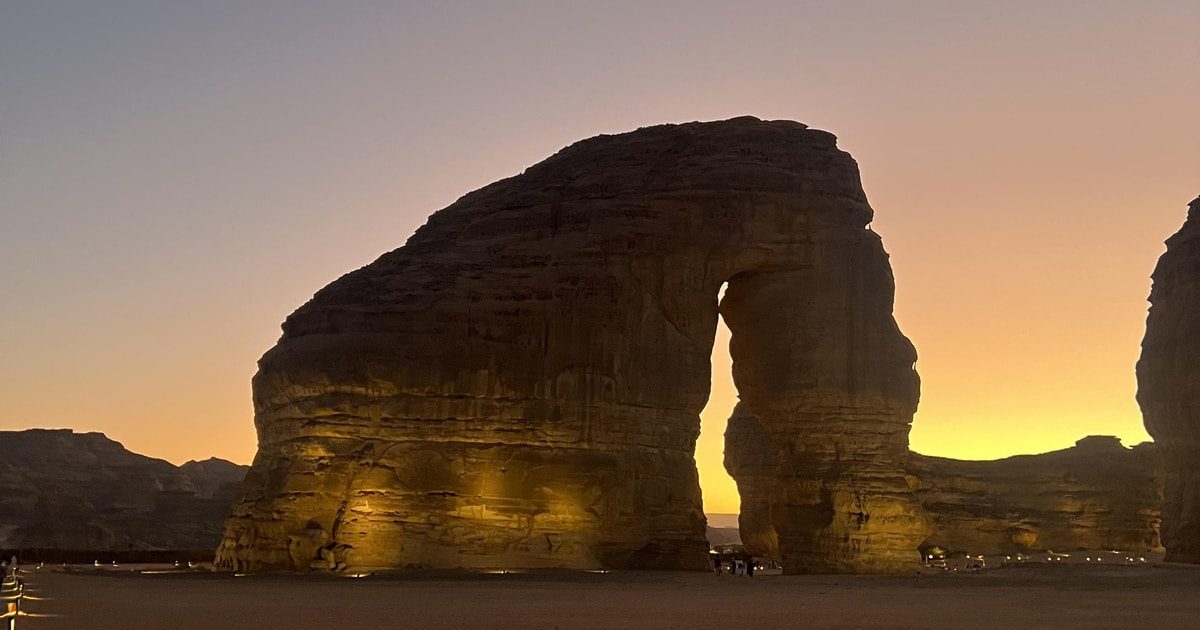
Explore Saudi Arabia's first UNESCO site, desert rock formations, and an open-air library of ancient scripts

4.6 (2)
FromFrom $99
See details
The experience

What visiting Hegra Day is really like

You arrive at the Hegra Visitor Centre before 09:00, collecting your mobile voucher at the entrance kiosk before boarding the air-conditioned shuttle that loops through the 52-hectare reserve.

Read more Show less

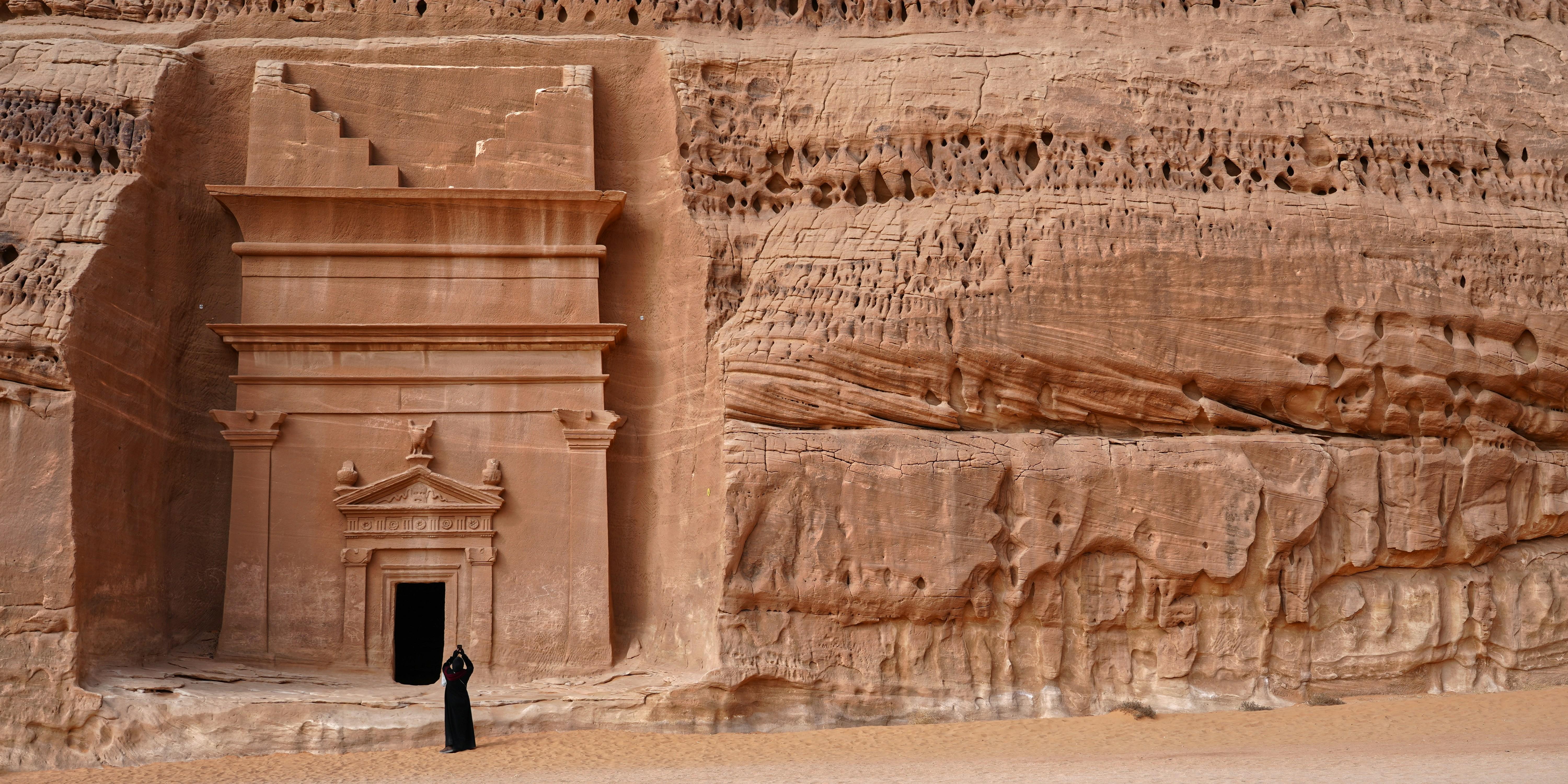
The first stop places you 30 metres from Qasr al-Farid, and you circle the 22-metre façade on foot, pausing at the unfinished doorway to photograph the tool marks visible in the sandstone. Your guide gestures toward the eagle pediment above the entrance—a Roman motif adopted by Nabataean masons—and explains the Aramaic inscription that names the patron and construction date.

The shuttle continues to Jabal al-Ahmar, where you walk a 400-metre trail linking seventeen tombs carved into a single outcrop. You stop at the tomb of Lihyan son of Kuza, reading the 19-line dedication aloud while your guide translates the formal Nabataean script. The route descends past exposed water channels and stone-lined cisterns before returning to the shuttle.

Your final stop is the site museum, where you examine pottery, bronze coins, and loom weights recovered from residential excavations. A touchscreen map layers 2,000 years of occupation, showing Nabataean, Roman, and early Islamic phases. You exit through the gift shop at 12:30, four hours after entry, with 600 photographs and a stamped site passport.

Hegra Day Tour
Everything You Need to Know

Your complete Hegra Day guide

All the details about your upcoming adventure in one place

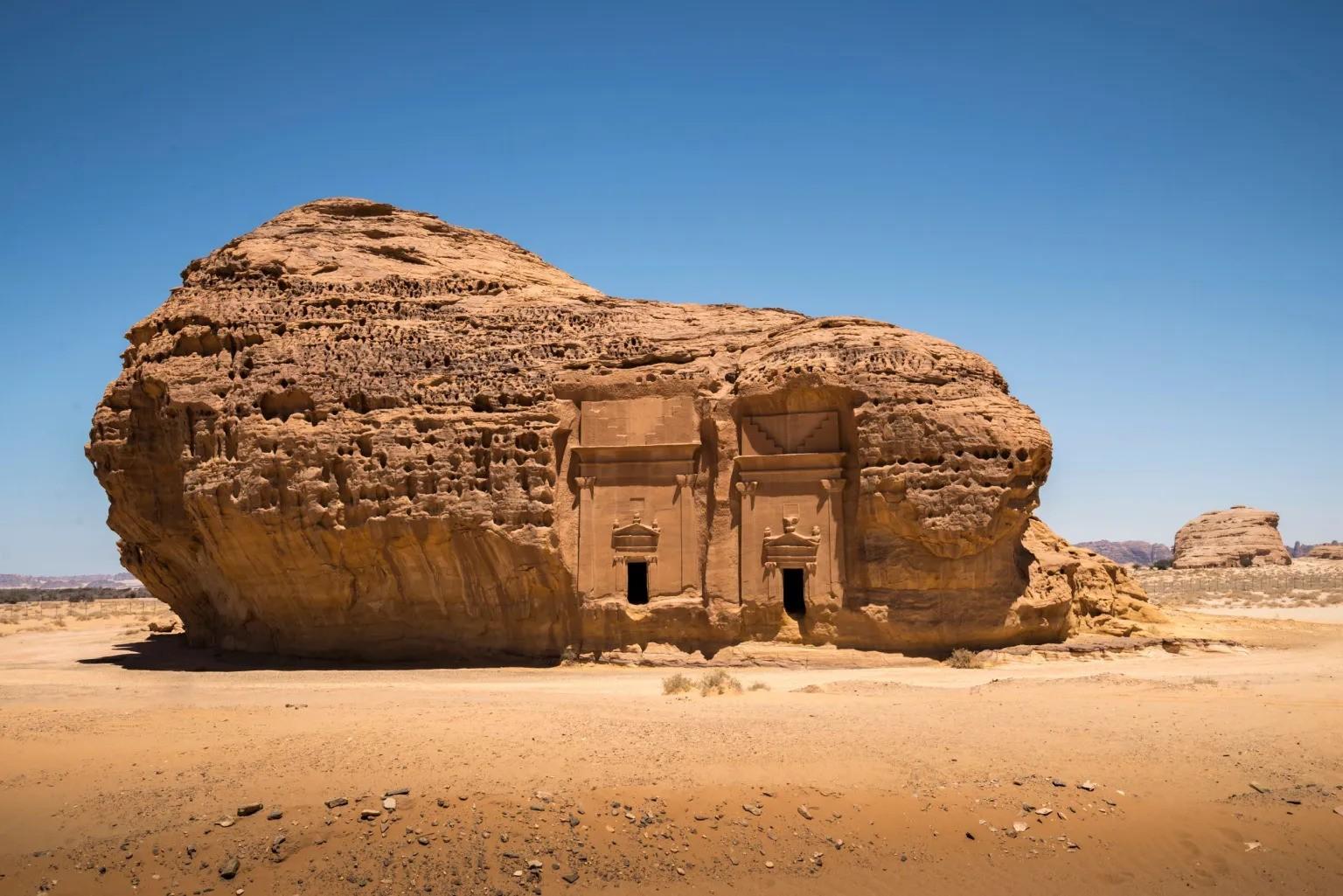
Hegra held 111 monumental tombs when the Nabataean Kingdom abandoned the settlement in 106 CE, leaving the rose-red façades to weather fifteen centuries of desert silence before Bedouin caravans began using the site as a waystation.

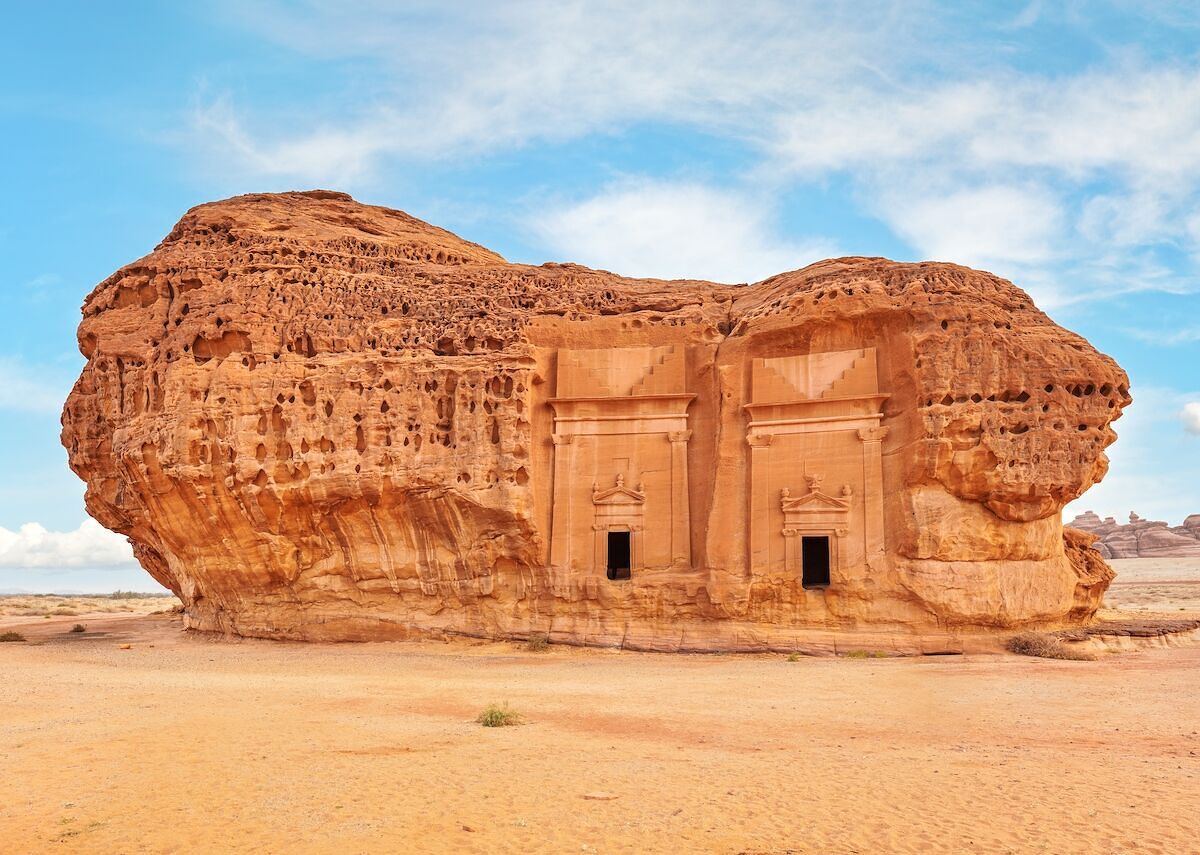
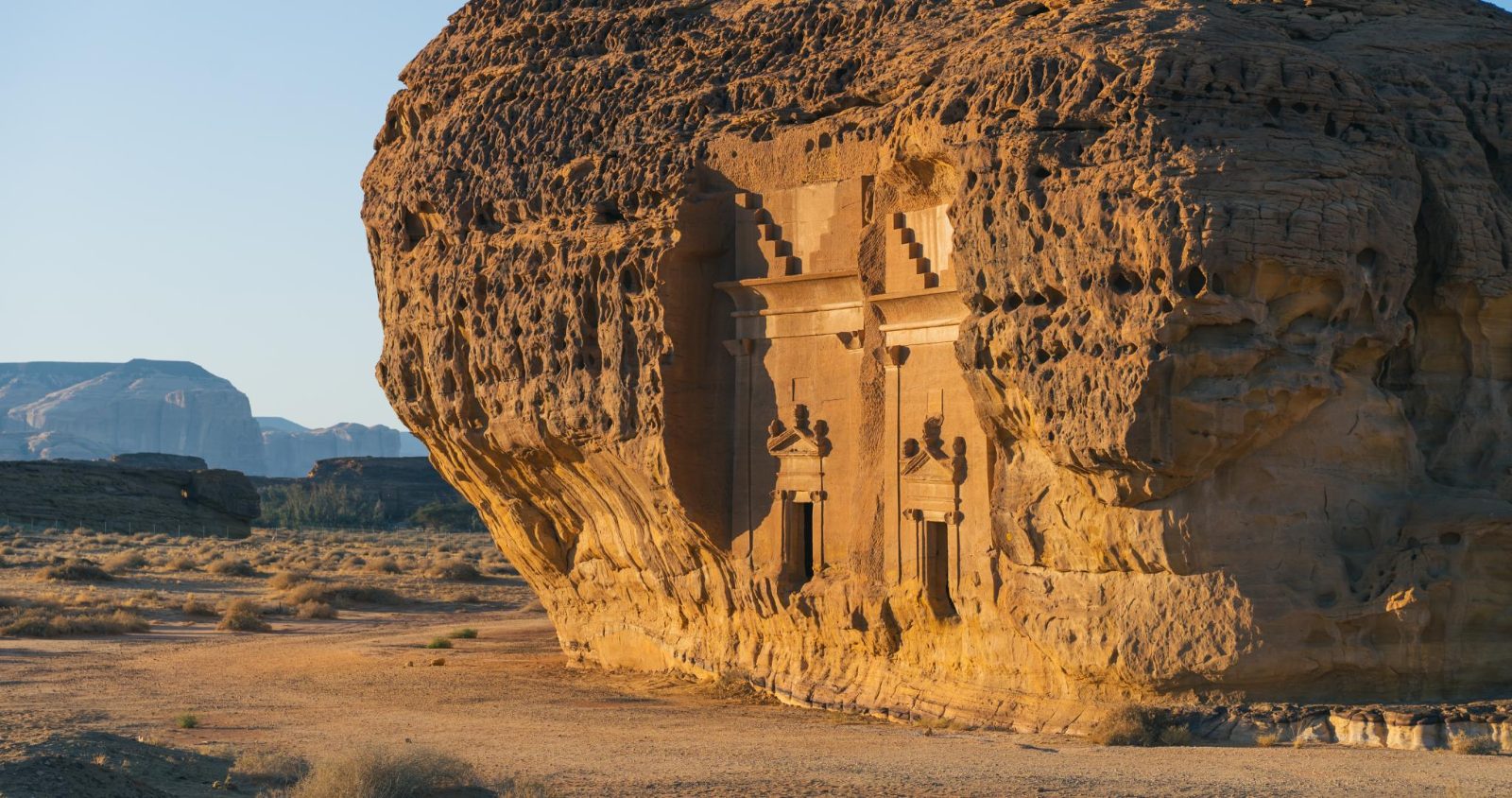
The carved chambers—some rising four storeys into the sandstone outcrops—bear Greek, Aramaic, and Thamudic inscriptions that catalogue a trading civilisation linking Petra to the Red Sea ports. Saudi Arabia designated the complex as its first UNESCO World Heritage Site in 2008, recognising architecture that predates the Roman annexation of Arabia.

Today the archaeological reserve spans 52 hectares within the larger AlUla heritage zone, protecting rock-cut façades, hydraulic engineering channels, and pre-Islamic graffiti that document 2,000 years of human passage. Conservation teams stabilised the soft sandstone using reversible polymers, and the 95-SAR entrance fee funds ongoing stabilisation work across the necropolis. The site opens before dawn to accommodate balloon flights and closes after sunset tours, with guided walks mandatory to protect the fragile carvings.

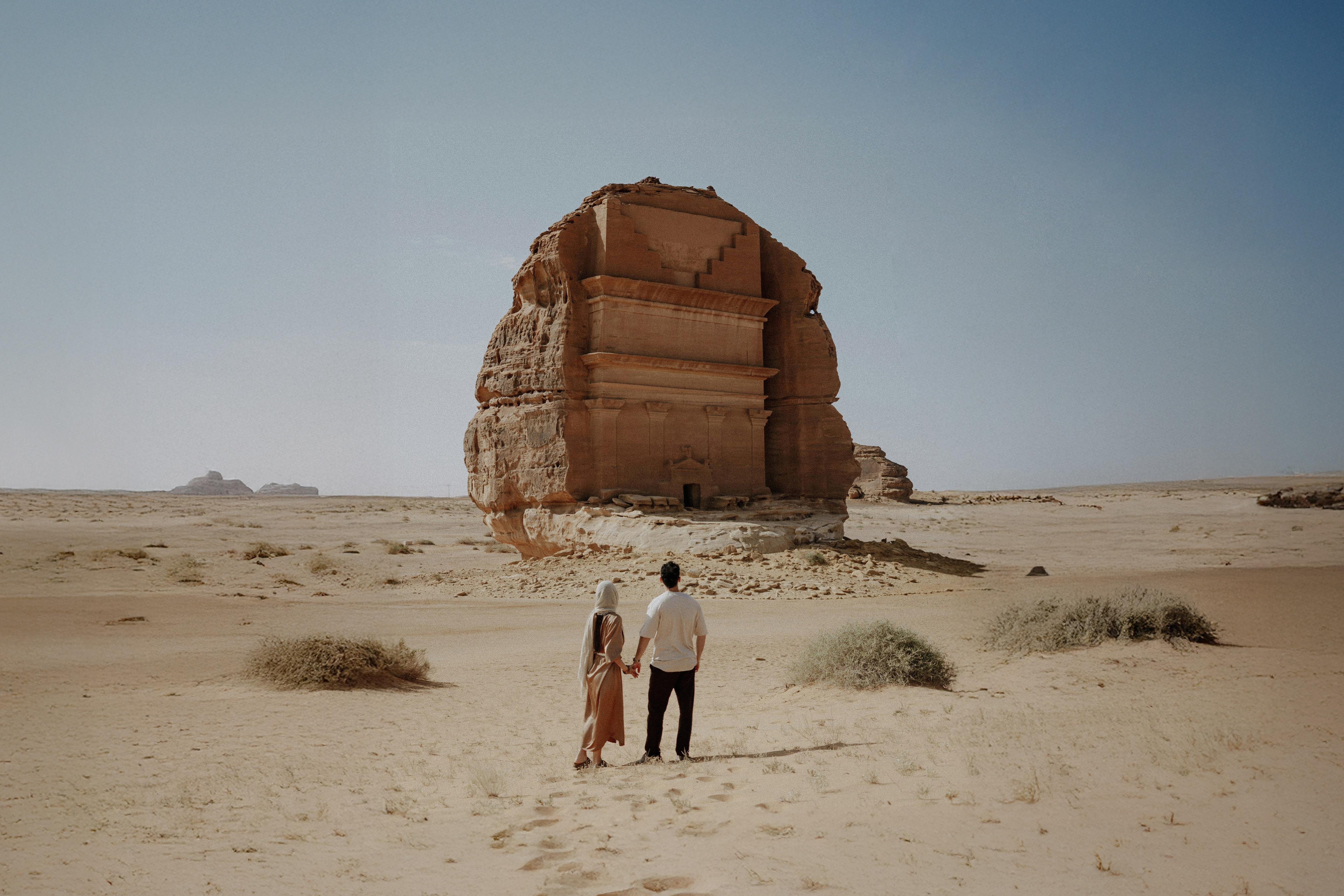
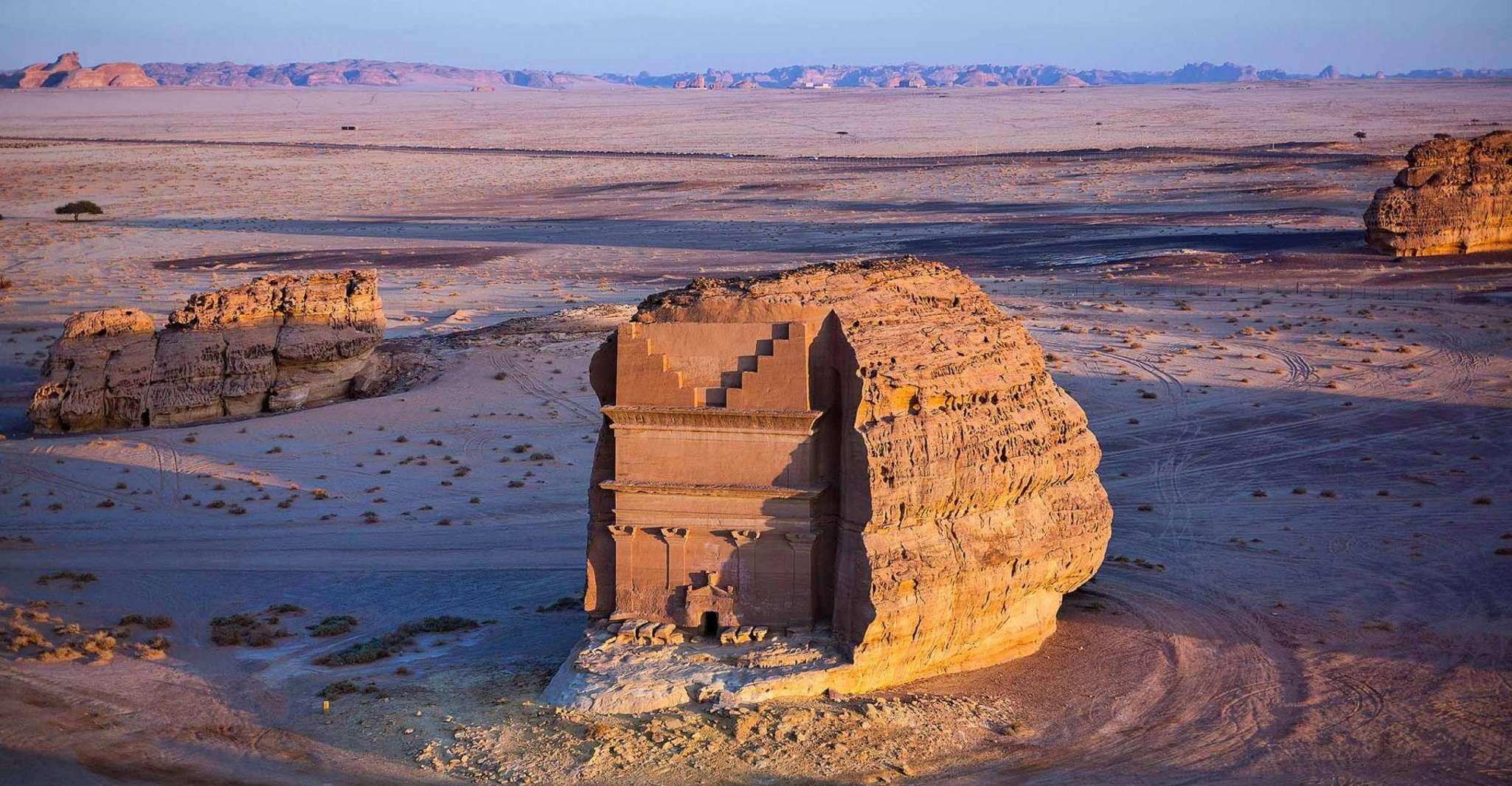
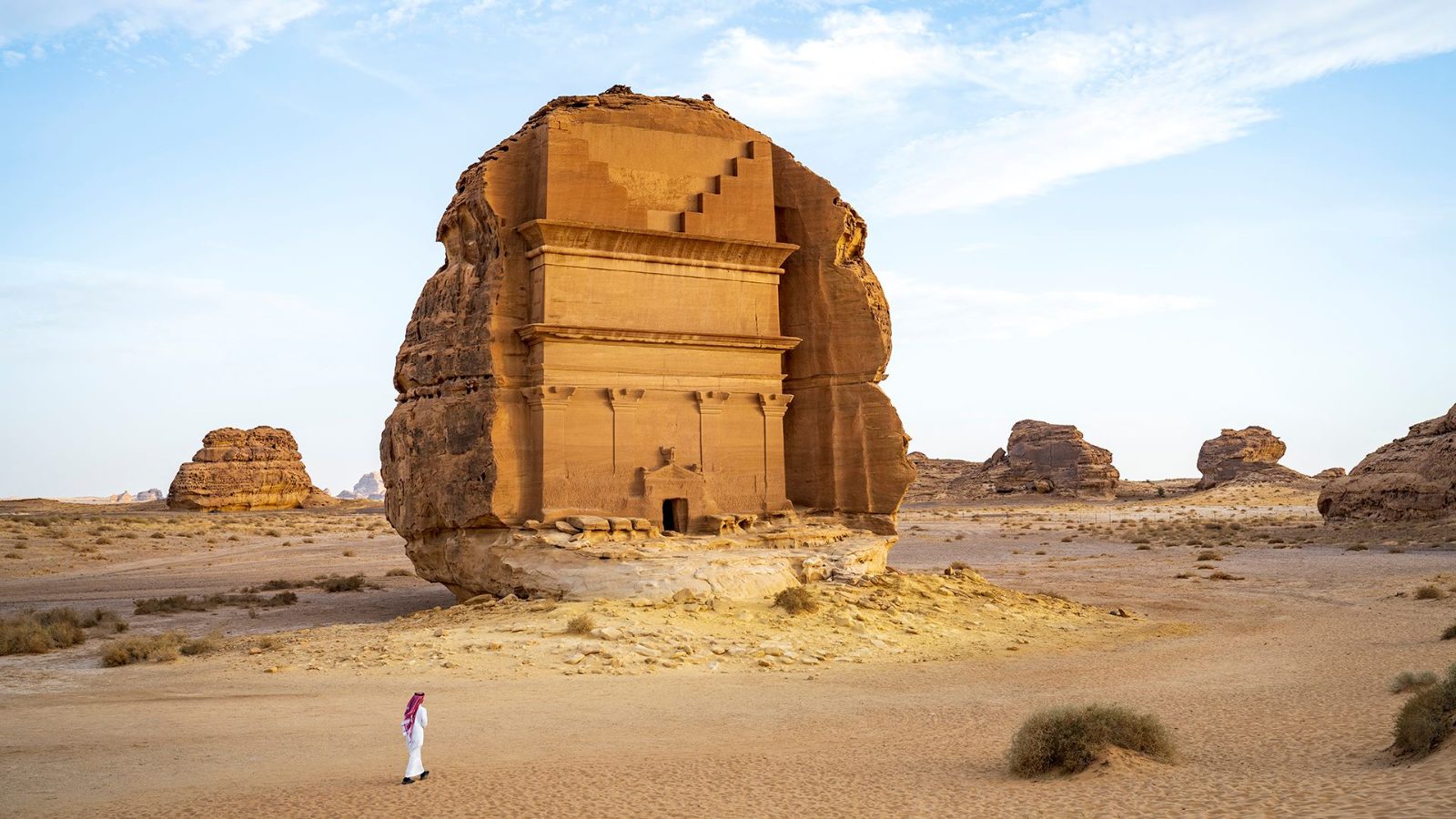
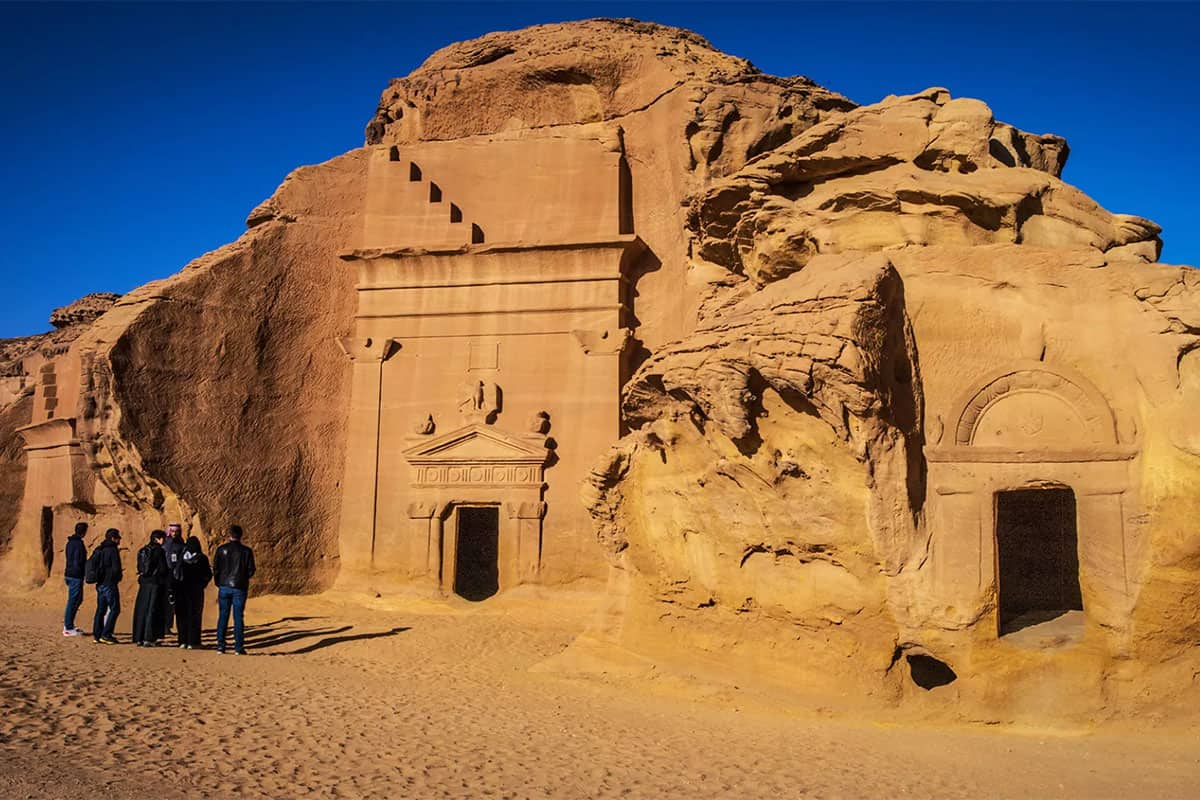
Qasr al-Farid—the Lonely Castle—stands 22 metres tall as the reserve's largest unfinished tomb, its hewn doorway leading to an incomplete burial chamber that reveals Nabataean construction sequencing. Nearby, Jabal al-Ahmar clusters seventeen façades within 200 metres, each commissioned by wealthy merchants who controlled the frankincense route. The tomb of Lihyan son of Kuza bears the longest dedicatory text at Hegra, 19 lines carved in formal Nabataean script beside a Roman-style eagle pediment.

Archaeological surveys mapped 131 wells and underground aqueducts, evidence of the sophisticated water management that sustained a desert entrepôt. The site museum displays pottery shards, bronze coins, and textile fragments recovered from collapsed tomb chambers, while the visitor centre screens time-lapse footage of the 2020–2024 excavation campaigns that unearthed residential quarters north of the necropolis.


The carved chambers bear Greek, Aramaic, and Thamudic inscriptions that catalogue a trading civilisation linking Petra to the Red Sea ports.

Dress code

Dress modestly as this is a cultural heritage site. Women should cover shoulders and knees; men should avoid sleeveless shirts.

Bags & security

Personal belongings must be carried by the visitor. Security rangers accompany the coach to preserve the site and ensure safety.

Photography

Photography is permitted of the Nabataean tombs and landscapes. Do not photograph local individuals without explicit permission.

Families & strollers

Families are welcome, and children of all ages may join the tour. All infants and children must be included in the total passenger headcount.

Accessibility

The site is not stroller or wheelchair-accessible due to the sandy terrain and coach-based tour format. It is not recommended for those with impaired physical mobility.

Food & drink

Hospitality including water, seasonal drinks, dates, and sweets is provided at the Visitor Centre. Eating and drinking are generally prohibited inside the tombs.

Not allowed

× Alcohol × Narcotics × Pork products × Weapons × Drones × Plastic waste × Unprescribed medicines × Pornographic materials

What to bring

✓ Sunscreen ✓ Sunglasses ✓ Hat or cap ✓ Valid ID ✓ Comfortable walking shoes ✓ Light jacket for breezy mornings

Opening hours

Mon 06:30–18:00
Tue 06:30–20:30
Wed 06:30–20:30
Thu 06:30–20:30
Fri 06:30–20:30
Sat 06:30–20:30
Sun 06:30–18:00

How to get there

At a glance

Opening Hours

06:30–18:00 (Sun, Mon) / 06:30–20:30 (Tue–Sat)

Address

Hegra Visitor Centre, AlUla, Saudi Arabia

Site Access

Guided coach tours only; not stroller or wheelchair accessible

Best Arrival

06:30–09:00 for cooler desert exploration

Storage

No specific luggage storage; keep items minimal

Navigation

Mandatory bus transport from Visitor Centre included in fee

Cancellation policy

Full refunds are provided for cancellations made at least 72 hours before the activity date. The 95 SAR conservation fee is included in the booking price.

Plan your time

Optimizing Your Hegra Day Tour Timing and Duration

Recommended time

2-3 hours

A standard hegra day tour allows sufficient time to navigate the UNESCO heritage site and observe the ancient Nabataean tombs. To experience the AlUla desert landmarks with minimal congestion, we recommend early morning arrivals. If you wish to linger at the bus stops or explore the visitor center exhibitions further, plan for additional time during your hegra day tour tours. Secure your hegra day tour tickets in advance to ensure preferred entry as afternoon crowds often increase near these sandstone outcrops.

Crowd levels through the day

06:30–09:00 Light
09:00–12:00 Moderate
12:00–15:00 High
15:00–18:00 Moderate
The story

The Centuries-Old Legacy of a Hegra Day Tour

Hegra's origins stretch back to the first millennium BCE, when Dadanite and Lihyanite communities controlled the trade corridors that would later cement the site's prosperity. By the first century BCE, the Nabataeans had expanded southward from Petra, establishing Hegra—ancient Mada'in Salih—as their second capital around 100 BCE. The city served as a vital caravan station linking the frankincense routes of southern Arabia to Mediterranean ports, and its merchants amassed wealth that financed the monumental tombs still visible today. The architectural evolution of Hegra reflects Nabataean mastery of desert hydraulics and ceremonial design. Between the first century BCE and the first century CE, stonemasons carved more than 110 tomb facades directly into sandstone outcrops, each commissioned by affluent families. The largest, Qasr al-Farid, stands 21.5 meters tall and remains unfinished—a rare glimpse into Nabataean construction methods. Inscriptions in Nabataean Aramaic record the names of tomb owners, construction dates, and warnings against unauthorized reuse, offering visitors on a hegra day tour direct testimony from the site's inhabitants. Roman annexation in 106 CE shifted Hegra's role from autonomous trade hub to provincial garrison. The Legio III Cyrenaica stationed troops here, leaving Latin graffiti and altering water cisterns to suit military needs. Caravan traffic gradually declined as maritime routes grew more efficient, and by the fourth century CE the city had contracted to a small settlement. Islamic sources from the seventh century describe the ruins as a cautionary site, linking them to the Quranic account of Thamud, a people punished for rejecting a prophet. Modern archaeological interest began in 1876 when Charles Doughty documented the tombs, but systematic excavation awaited the 21st century. Saudi and French teams have since mapped hydraulic systems, excavated residential quarters, and stabilized facades. UNESCO inscribed Hegra as Saudi Arabia's first World Heritage Site in 2008, and AlUla's reopening in 2020 transformed access—organized hegra day tour tours now ferry thousands annually through a landscape that spent 1,900 years in near-isolation.

1st c. BCE

Nabataeans establish Hegra as their southern capital, carving the first monumental tombs into sandstone outcrops.

1st c. CE

Wealthy merchant families commission over 110 decorated facades, including the unfinished Qasr al-Farid.

106 CE

Roman Empire annexes the Nabataean kingdom, stationing Legio III Cyrenaica at Hegra and repurposing infrastructure.

4th c. CE

Caravan trade collapses as maritime routes dominate; the city declines to a minor settlement.

7th c. CE

Early Islamic sources identify the ruins with the Quranic Thamud, discouraging habitation for centuries.

1876

British explorer Charles Doughty documents the tombs, introducing Hegra to European scholarship.

2008

UNESCO designates Hegra as Saudi Arabia's first World Heritage Site, recognizing its Nabataean legacy.

2020

AlUla reopens to international visitors, with regulated hegra day tour tickets enabling structured access to the archaeological zone.

Photo spots

Capturing the Best Angles on Your Hegra Day Tour

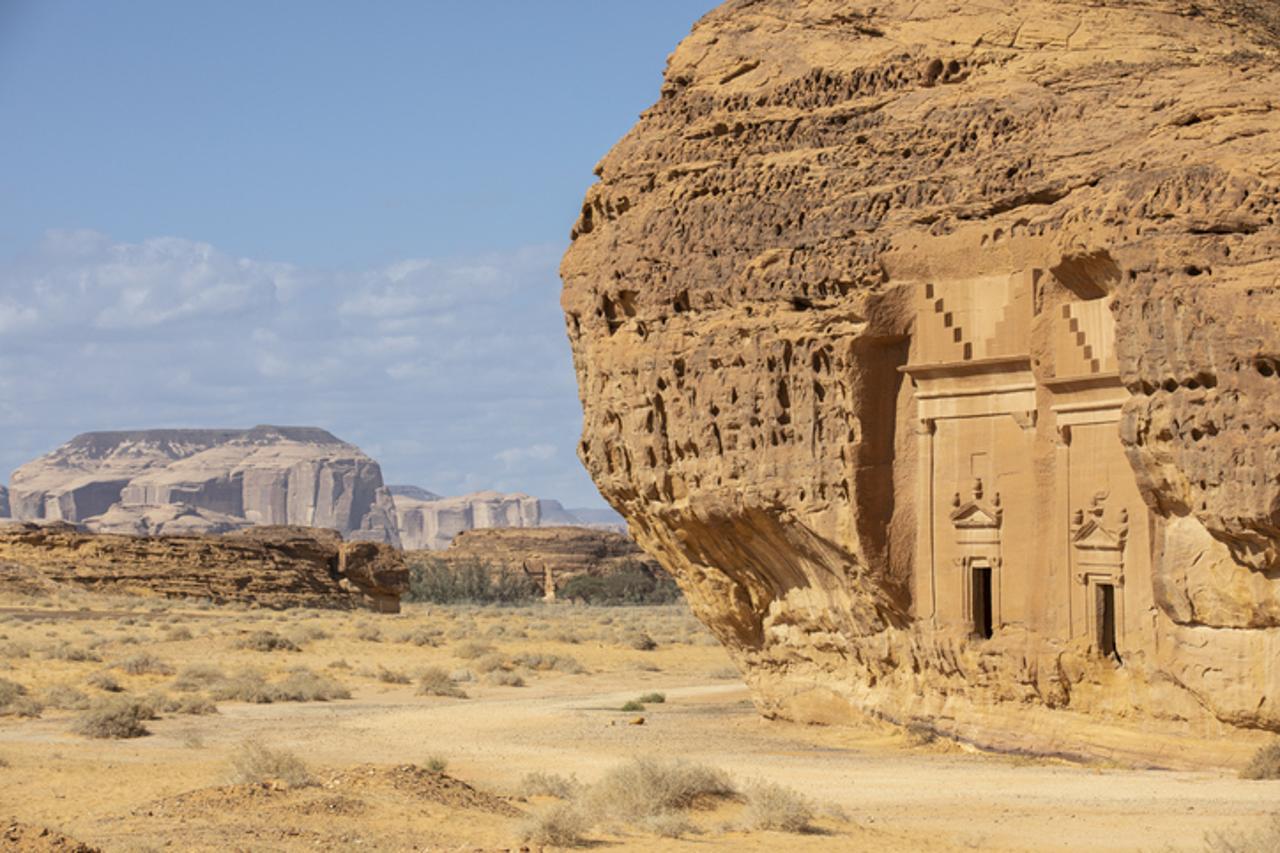
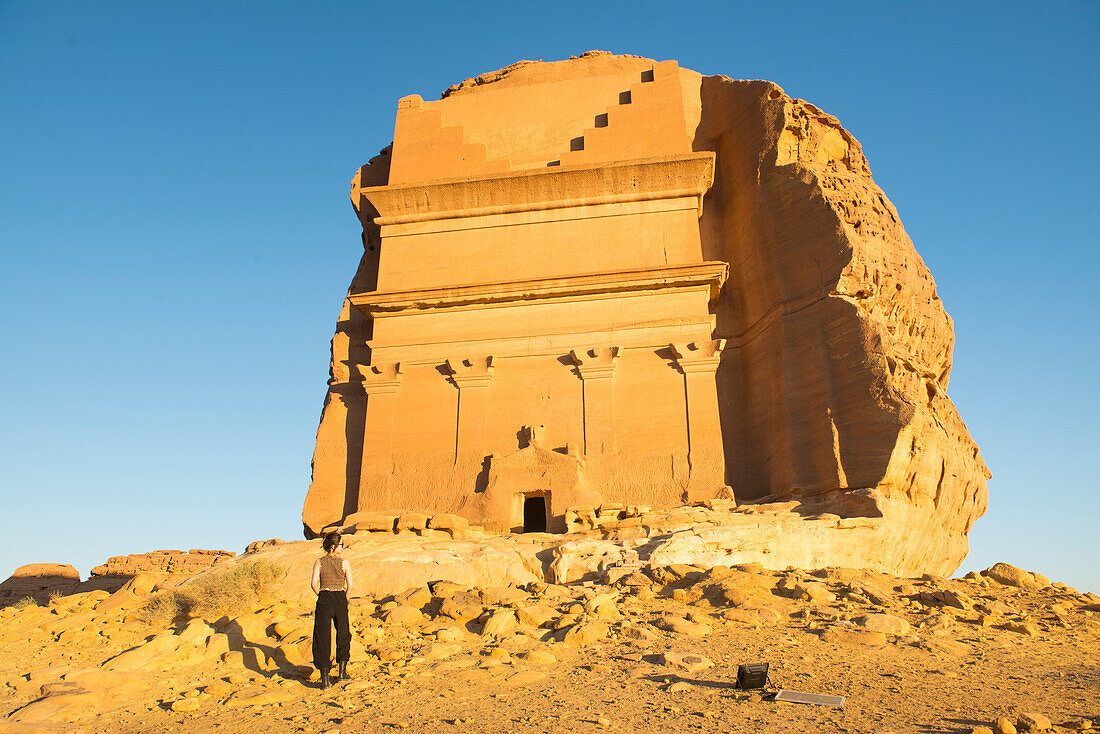
Tomb of Lihyan son of Kuza

Tomb of Lihyan son of Kuza

Best light · Golden hour

Stand on the sandy path directly facing the facade to capture the monumental scale of this isolated Nabataean structure against the sandstone backdrop.

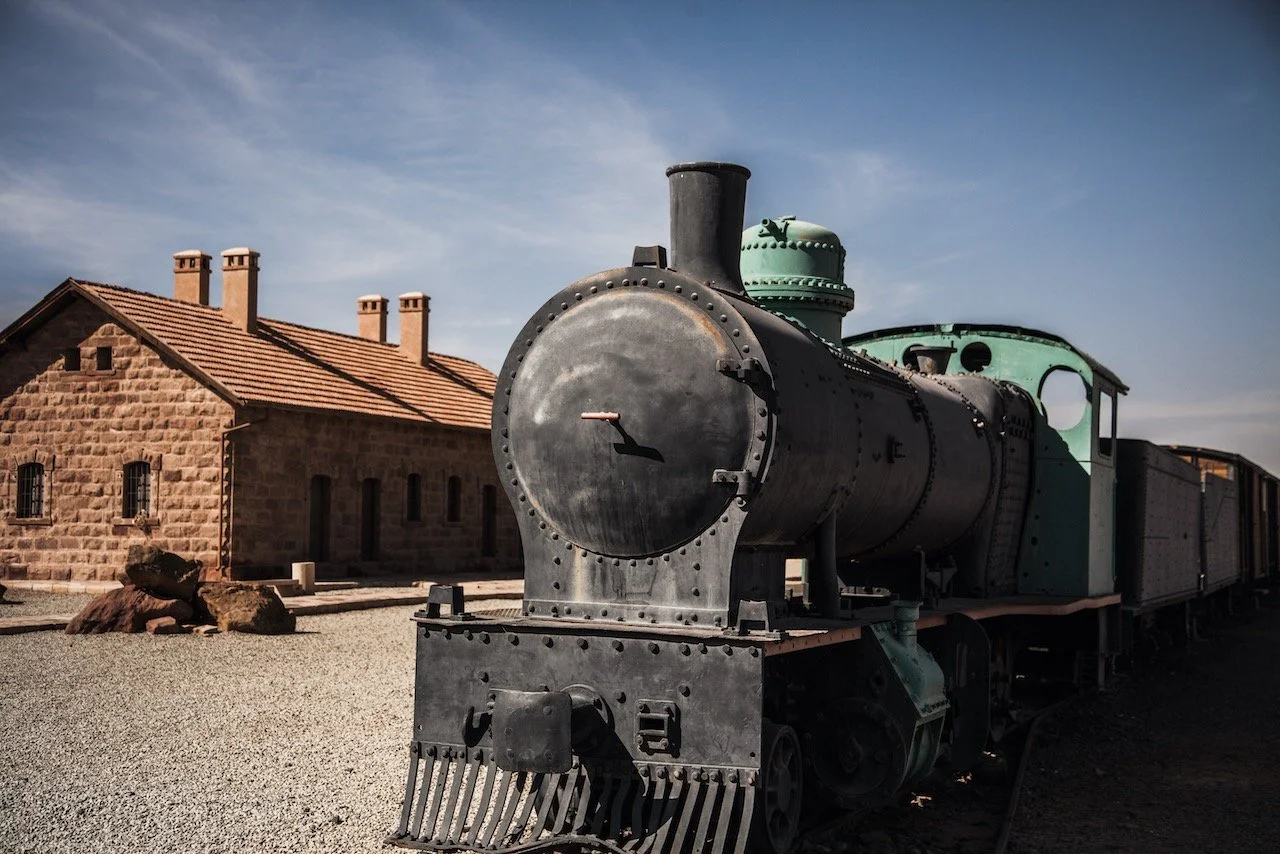
Hijaz Railway Station

Hijaz Railway Station

Best light · Morning light

Position yourself near the tracks to include the weathered sleepers leading toward the station buildings for a sense of linear perspective.

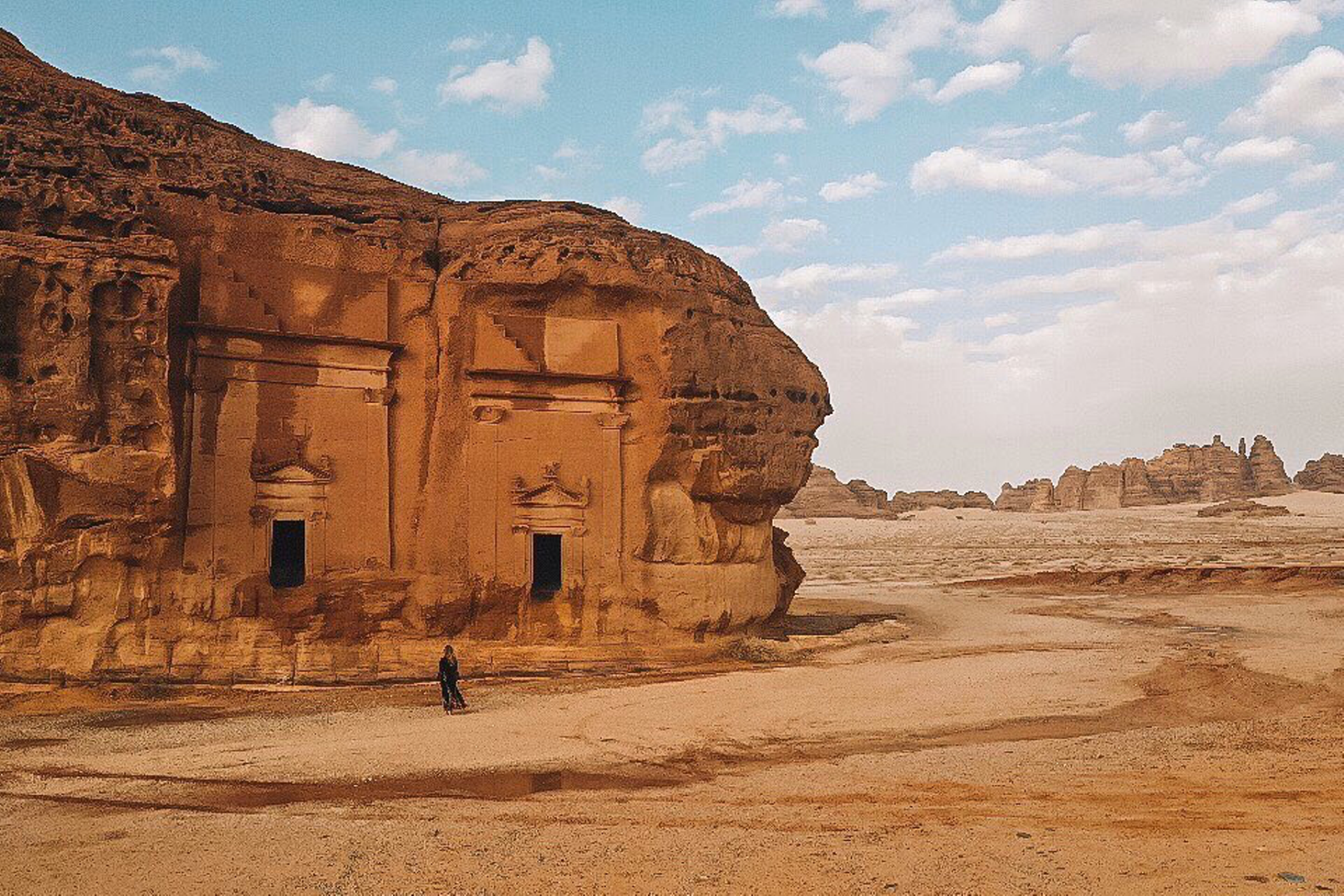
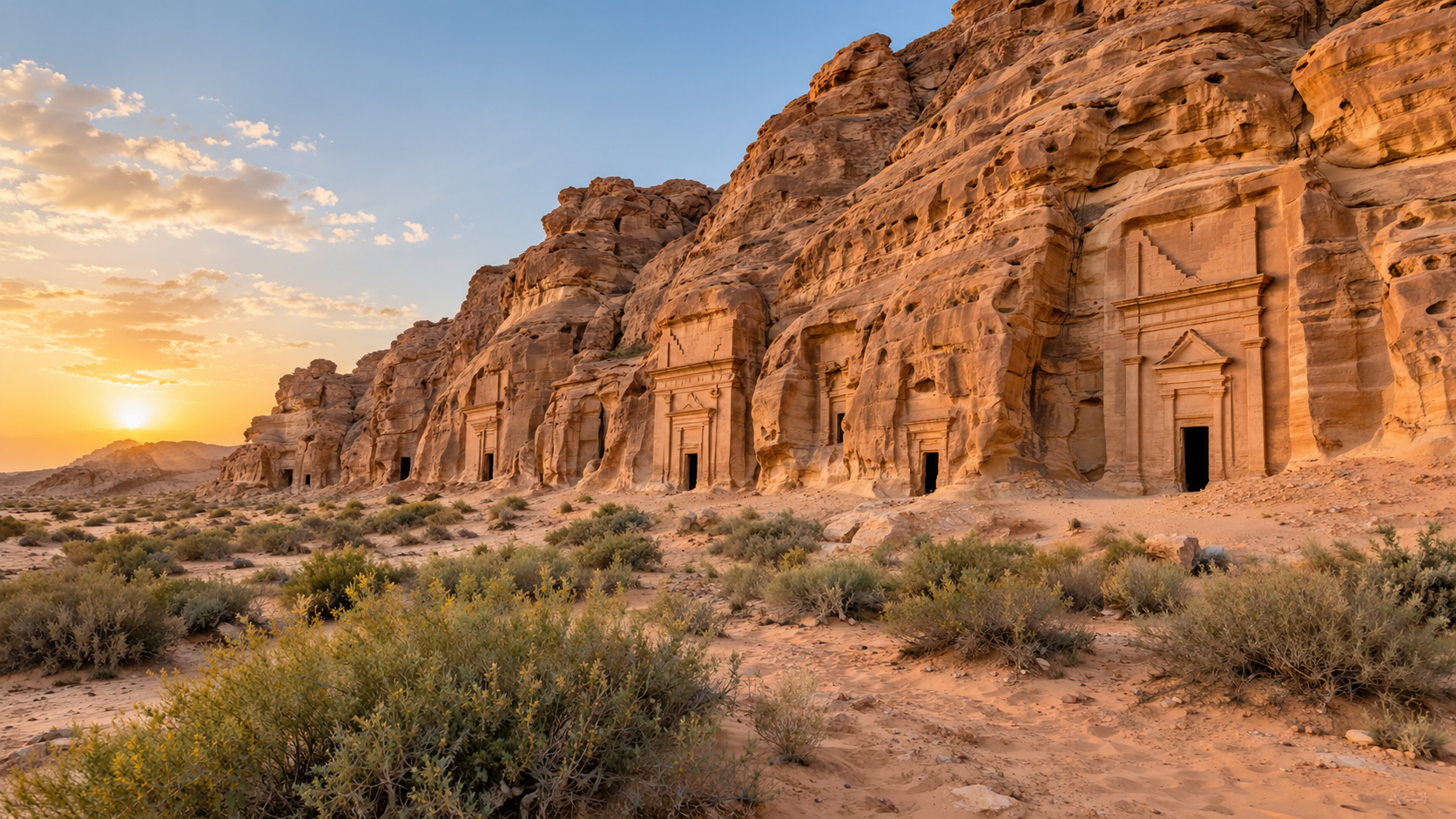
Jabal AlBanat

Jabal AlBanat

Best light · Before 09:00

Walk along the base of the rock formation to frame the multiple carved entrances using the natural desert vegetation in the foreground.

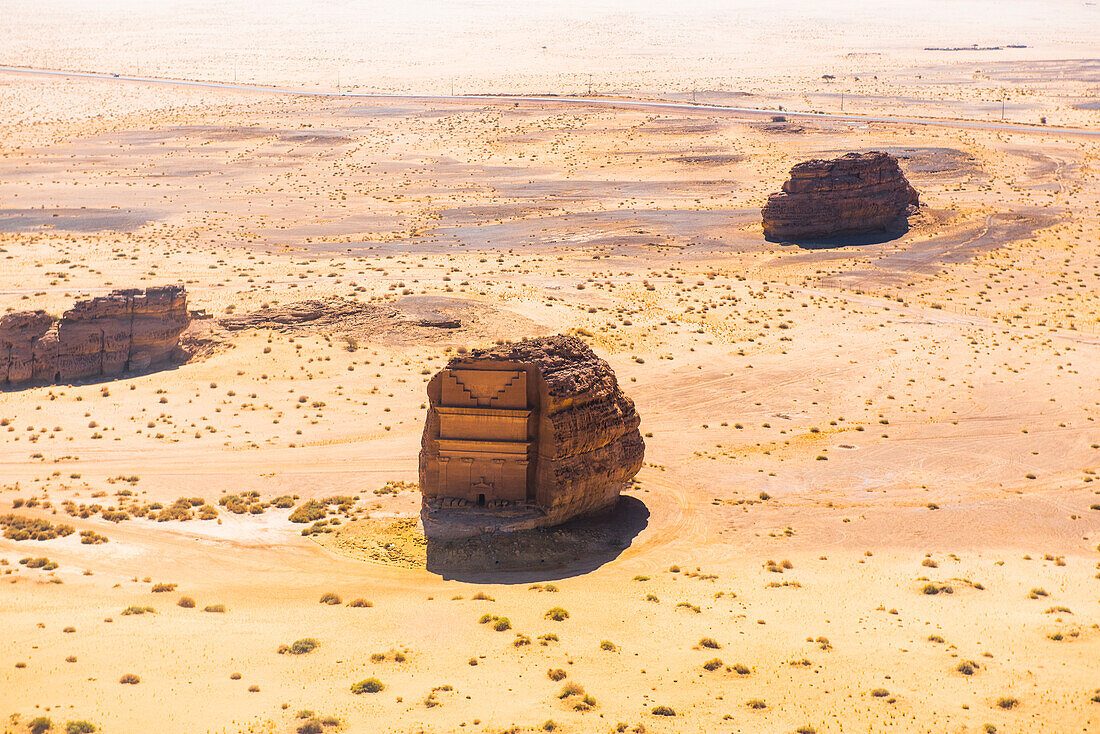
Qasr al-Farid

Qasr al-Farid

Best light · Late afternoon

Capture the solitary nature of this unfinished monument by framing it from a distance to highlight its unique four-column facade.

Gallery

Moments from Hegra Day

With kids

Visiting Hegra Day with kids

Exploring the ancient tombs on a hegra day tour is a manageable experience for families, as the site provides air-conditioned coach transport between key archaeological stops to help navigate the desert environment. While the landscape is vast, the structured format ensures that parents can share this UNESCO World Heritage site with children of all ages comfortably.

Strollers

The terrain at this heritage site consists largely of rock and sand, making it unsuitable for strollers; consider using a carrier for infants instead to ensure mobility between the Nabataean monuments.

Best ages

While all ages are welcome and children aged four and under participate for free, the educational nature of the guided walk means older children who enjoy history and desert exploration often gain the most from the experience.

Facilities

The tour uses air-conditioned coaches to shuttle visitors between sites, which provides a necessary respite from the desert heat for young ones during your hegra day tour tours.

Pacing

Families are encouraged to schedule just one major excursion per day and carry ample water and snacks to keep energy levels high, as the open desert location offers limited shade.

Tickets

You can secure your hegra day tour tickets for 95 SAR per person, a conservation fee that includes both the professional guided commentary and the required bus transportation around the area.

Food with kids

There are no dining facilities directly within the tomb area, so we recommend bringing your own light snacks and refreshments to enjoy on the coach during your hegra day tour tour.

Food & drink

Where to eat at Hegra Day

Dining options are limited at the archaeological site, making the Hegra Visitor Centre the primary hub for refreshments before or after your hegra day tour. Visitors typically find light snacks and beverages here to sustain them while exploring this UNESCO World Heritage landmark.

Hegra Visitor Centre Café

€€

Café inside

Offers a selection of coffee, cold drinks, and light refreshments perfect for a quick break. This spot is the most convenient place to refuel when you have booked hegra day tour tickets and need a moment before your bus departs.

Pink Camel Coffee Boutique

€€€

Bistro — 5 min drive

Located a short distance away, this boutique provides artisanal coffee and gourmet snacks in a comfortable setting. It serves as an ideal retreat for those finishing their hegra day tour tours who prefer a more relaxed environment after navigating the desert heat.

FAQ

Hegra Day — frequently asked questions

Everything you need to know for your journey

Ready for Adventure?

Join thousands of happy travelers who have discovered this incredible experience

Book Your Experience Now