3 hr
Hegra UNESCO Site Explorer Tour
- Entry ticket
- Mobile voucher
- Valid same day
- Free cancellation
Hegra Tour Tickets Price — UNESCO Site & AlUla Exploration
Nabataean tombs carved in stone, guided walks through desert silence
Compare fares, pick the fit — all bookings are mobile-voucher and eligible for free cancellation where shown.
3 hr
2 hr
6 hr
Choosing the right hegra tour tickets price depends on your preference for a shared group experience or a private vehicle excursion. All visits to this UNESCO World Heritage site require pre-booked guided access to ensure the preservation of its ancient sandstone tombs.
|
Top pick Day Tour Shared Coach (Recommended) |
Premium Tour Private 4x4 Vehicle | |
|---|---|---|
| Price per person/group | 95 SAR | From 1,000 SAR per vehicle |
| Included transport | Air-conditioned coach | Premium 4x4 vehicle |
| Group size | Shared with others | Up to seven passengers |
| Tour duration | 2–3 hours | 2 hours |
| Site access | Full archaeological site | Full archaeological site |
| Best for | First-time visitors | Private groups and families |
| See tickets & prices |
Verdict: For the best value, most first-time visitors should choose the Day Tour hegra tour tickets price option, while the Premium Tour offers a more exclusive pace for small groups.
Worth it for heritage-focused travelers
The 95 SAR conservation fee grants access to Saudi Arabia's first UNESCO World Heritage Site alongside a required guided tour through 111 monumental Nabataean tombs carved between the 1st century BCE and 1st century CE. The hegra tour tickets price includes expert narration that decodes facade inscriptions, explains burial customs, and contextualizes Hegra's role as the southern capital of the Nabataean kingdom—context you cannot extract from wandering alone. Beyond the base ticket, options like the Hegra UNESCO Site Explorer Tour and Sunrise Hot Air Balloon Over Hegra offer aerial perspectives of the archaeological landscape, while the AlUla Heritage & Nature Day Tour pairs tomb exploration with desert ecosystems. The fee directly funds site preservation and controlled visitor access that protects fragile sandstone carvings. For travelers prioritizing archaeological depth over casual sightseeing, the hegra tour tickets price tours deliver value through exclusive site entry and scholarly interpretation. Casual visitors expecting self-guided flexibility may find the mandatory tour format restrictive.
Bottom line: Pay for curated access to Nabataean heritage that rivals Petra, backed by preservation-focused expertise you cannot replicate independently.
They complement each other; most visitors who do both call Hegra the more historically significant site, while AlUla Old Town provides a more vibrant cultural atmosphere. Both represent essential Saudi Arabia landmarks for your itinerary.
|
Top pick Hegra |
AlUla Old Town | |
|---|---|---|
| Primary Focus | Archaeology and Nabataean tombs | Mud-brick history and local culture |
| Required Ticket | 95 SAR (includes guided tour) | Free entry to public areas |
| Duration | Approximately 2 hours | 1–2 hours |
| Typical Pace | Guided coach or vehicle tour | Self-guided exploration |
| Best Arrival | 06:30–09:00 | Late afternoon or evening |
| Target Audience | History and UNESCO enthusiasts | Families and culture seekers |
| See tickets & prices |
Verdict: Choose Hegra if you want an immersive lesson in ancient civilizations, but include AlUla Old Town to complete your trip with a authentic walk through the region's more recent heritage.
Hand-picked experiences loved by thousands of travelers
2 hours
Free Cancellation
Journey through AlUla's protected nature reserve on an adventurous safari spotting native wildlife and ancient rock art
3 hours
Free Cancellation
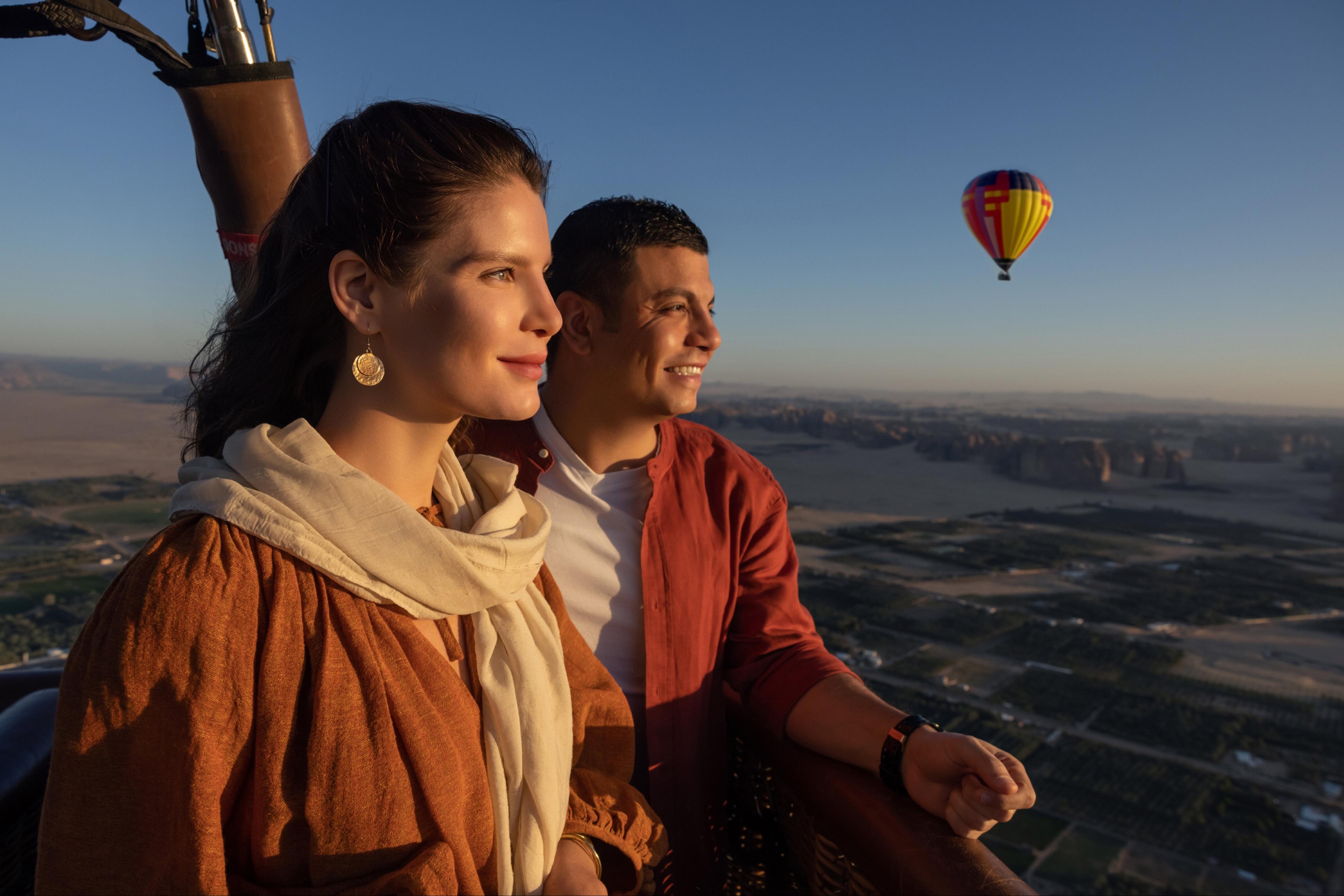
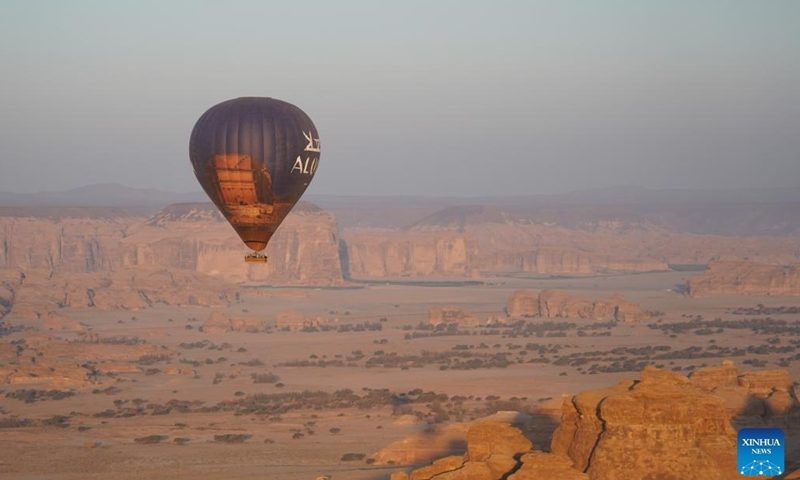
Drift above ancient AlUla at daybreak and witness carved tombs and sandstone canyons from the sky
8 hours
Free Cancellation
Journey through Saudi Arabia's ancient wonders with an insider guide on this full-day private tour
7 hours
Free Cancellation
Explore Hegra's ancient tombs, Maraya's mirrored architecture, and Elephant Rock at sunset with a born-and-raised local
6 hours
Free Cancellation
Explore UNESCO-listed Nabataean tombs, ancient inscriptions, and stunning desert rock formations
8 hours
Free Cancellation
Explore UNESCO-listed Hegra, ancient villages, and desert landmarks with your own guide and vehicle
8 hours
Free Cancellation
Discover AlUla's UNESCO treasures, ancient kingdoms, desert oasis, and iconic rock formations in one immersive day.
6 hours
Free Cancellation
Explore Saudi Arabia's first UNESCO site and a medieval mud-brick town with seamless private transfers
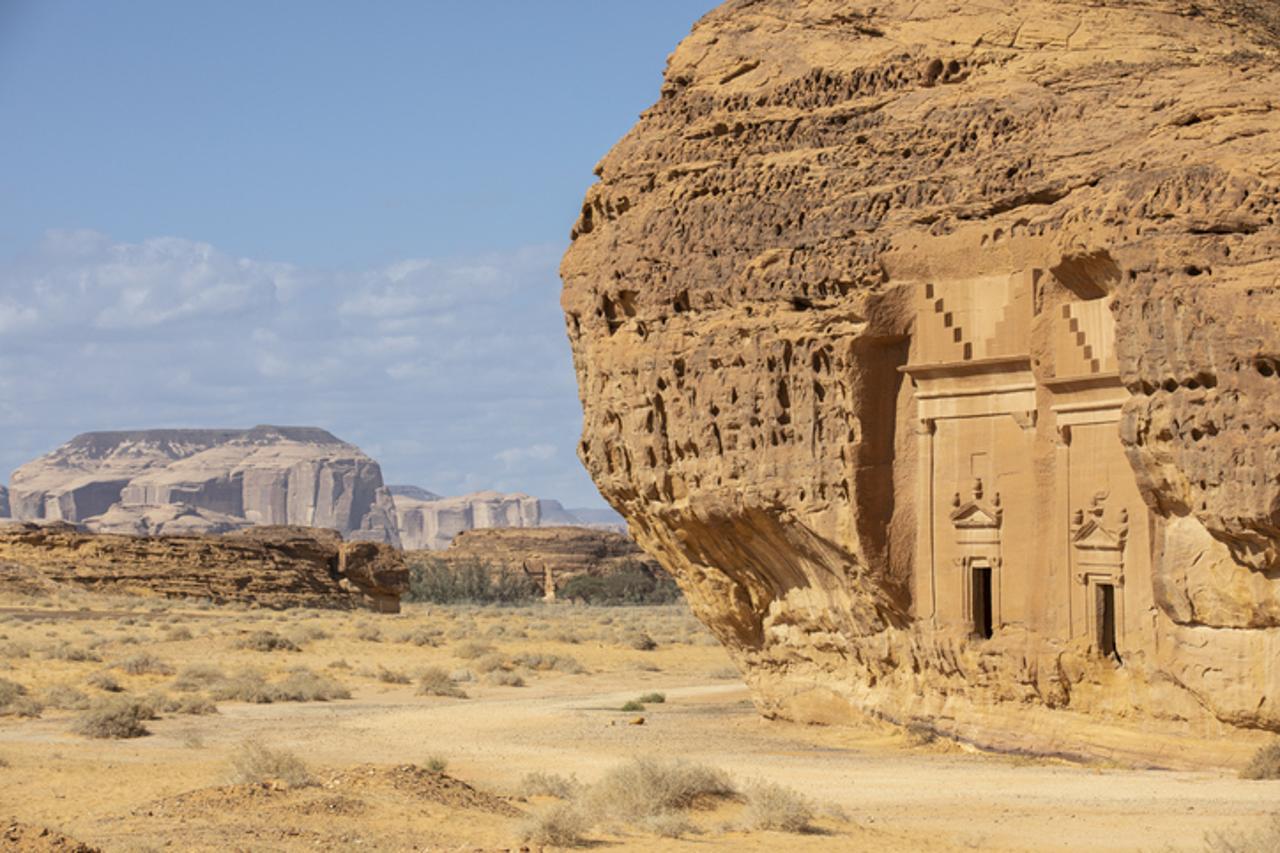
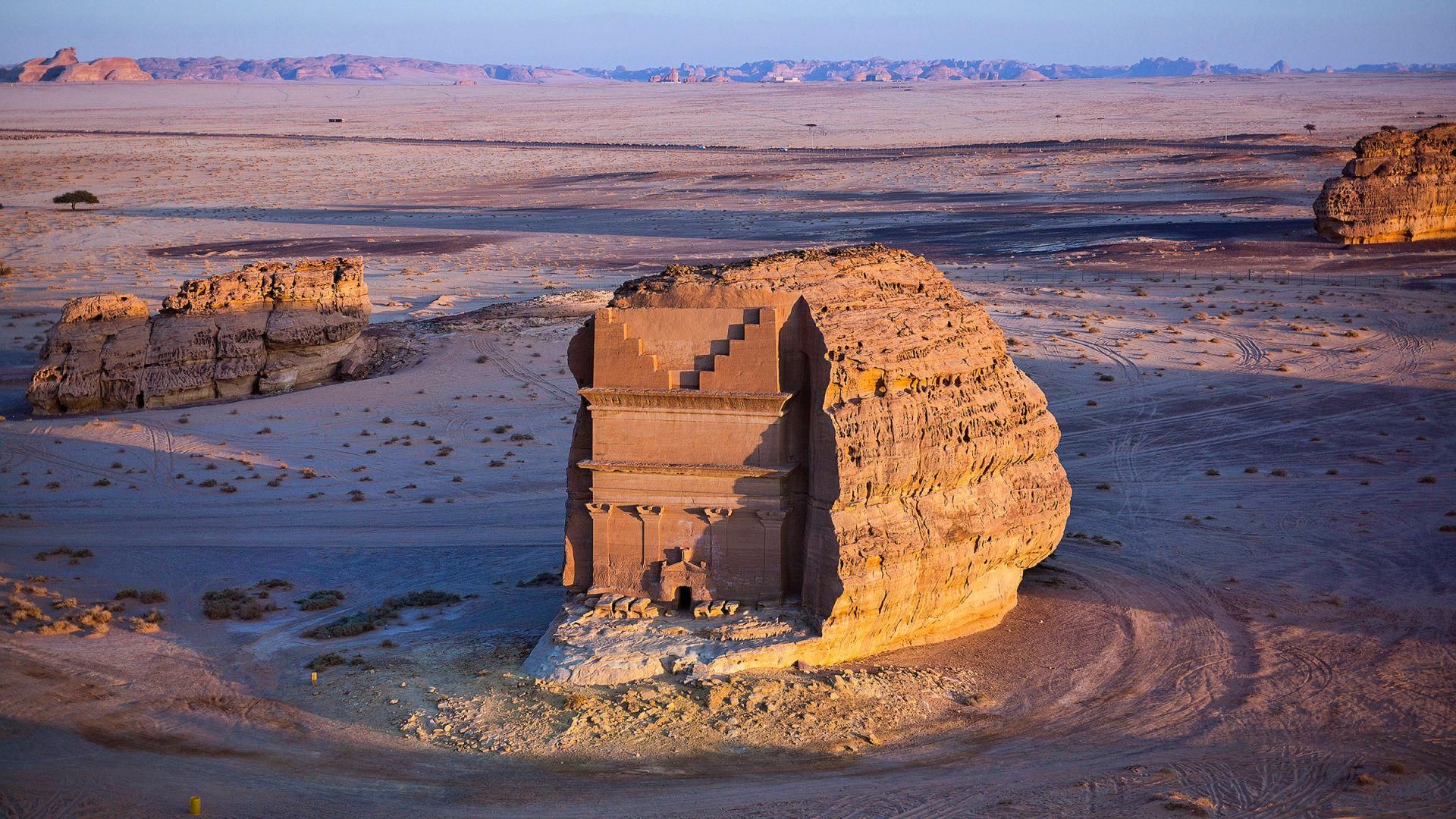
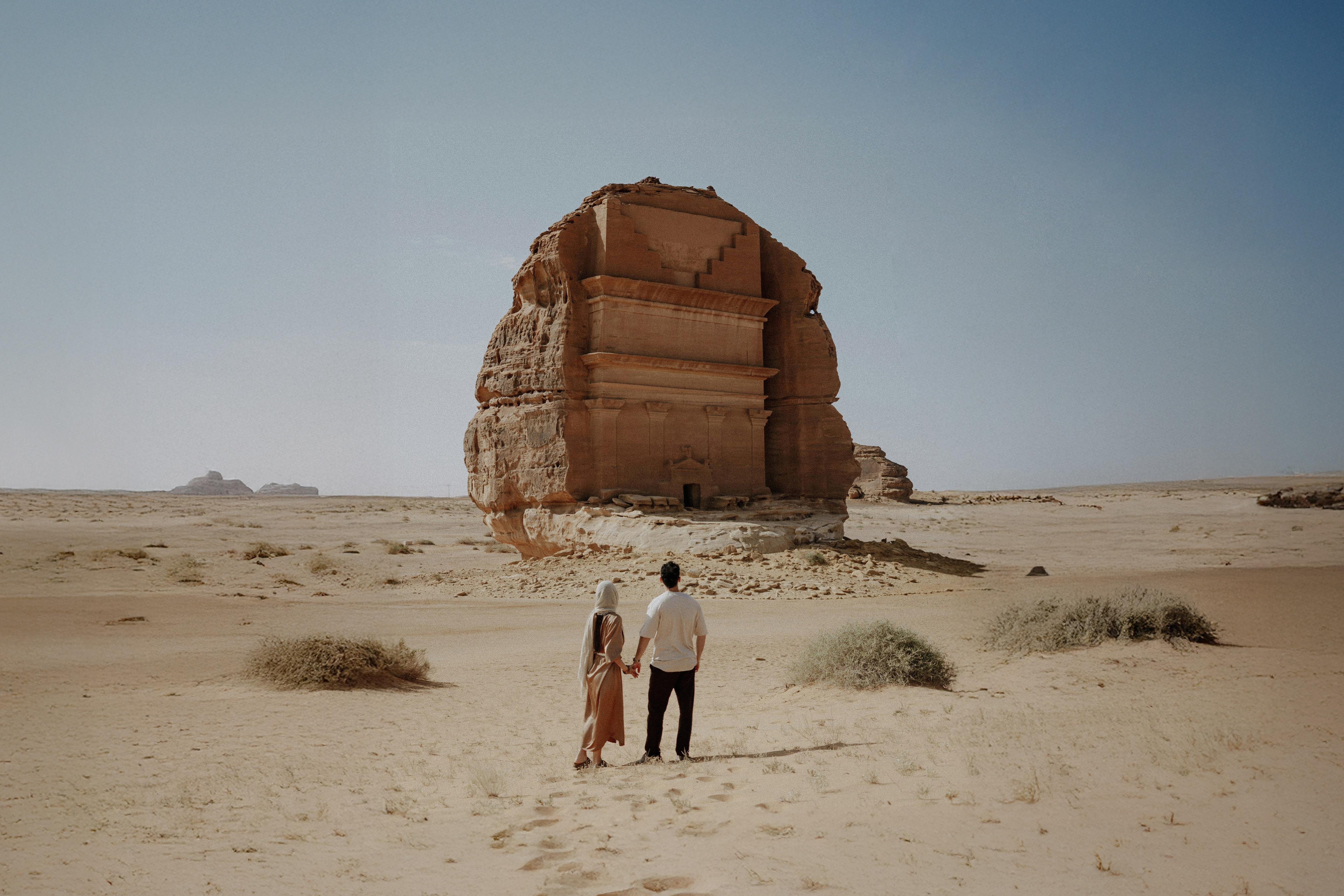
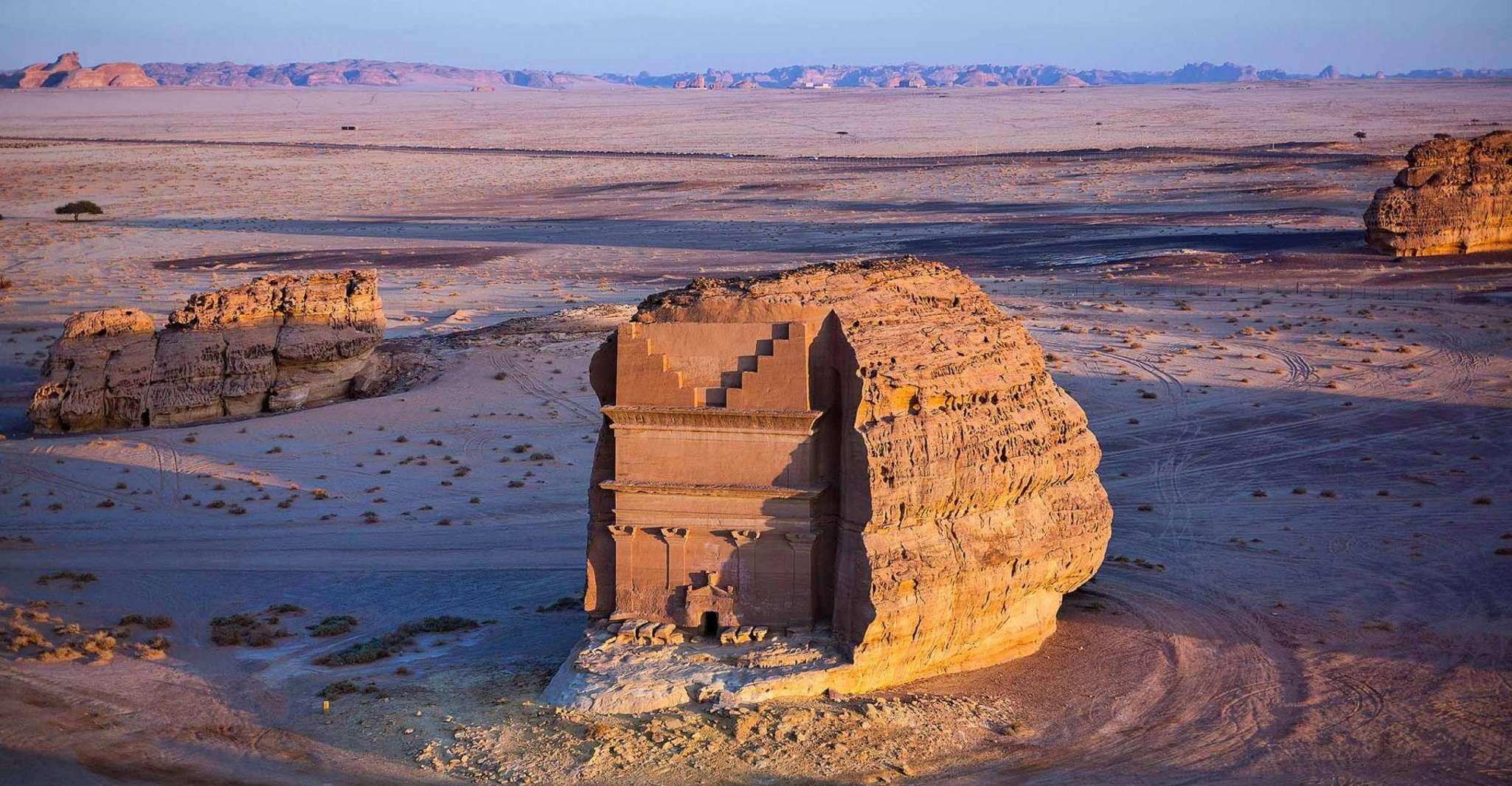
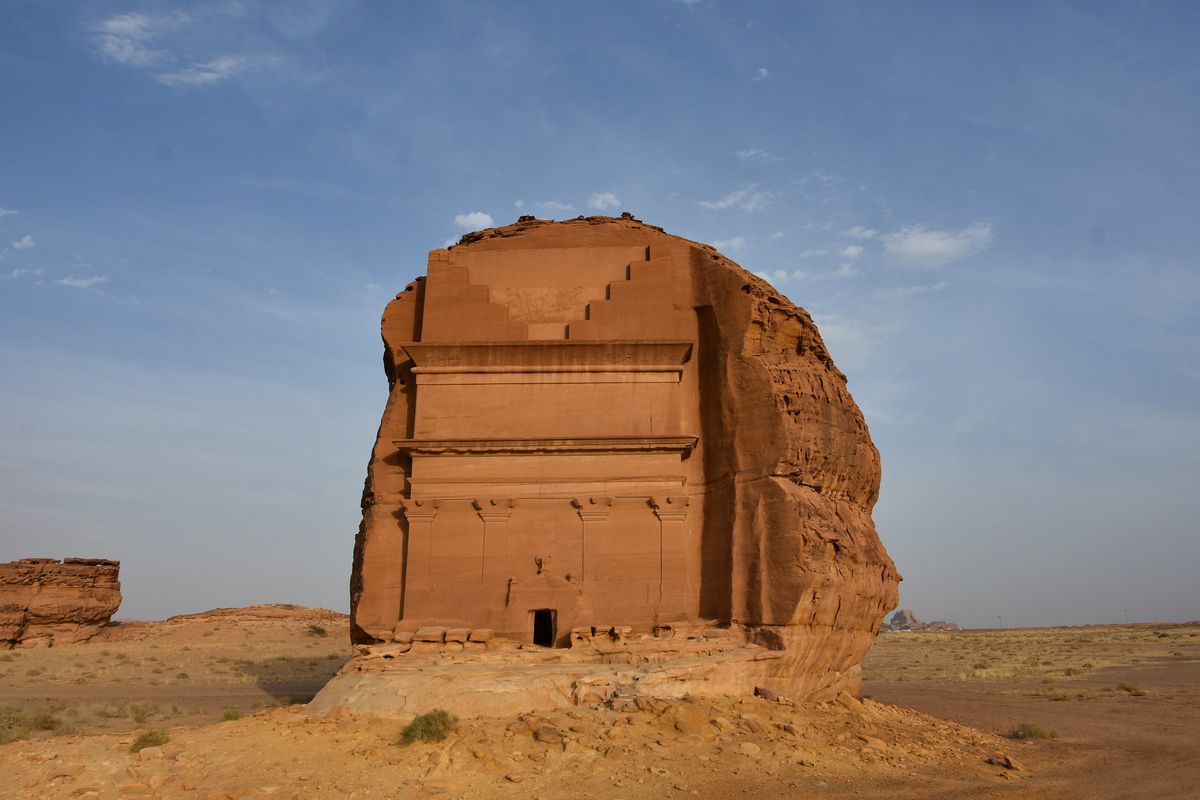
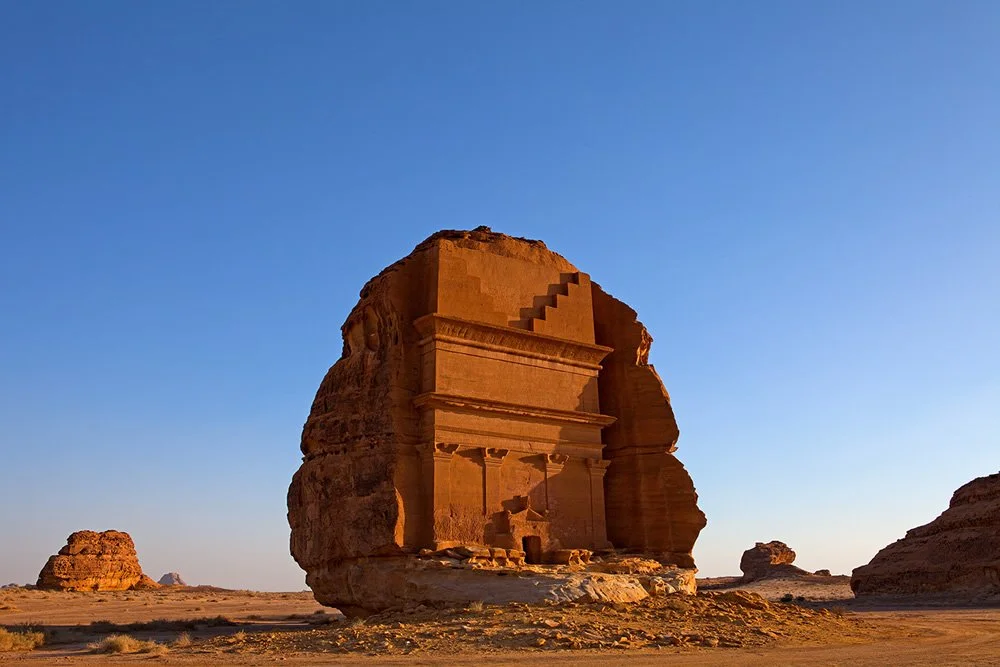
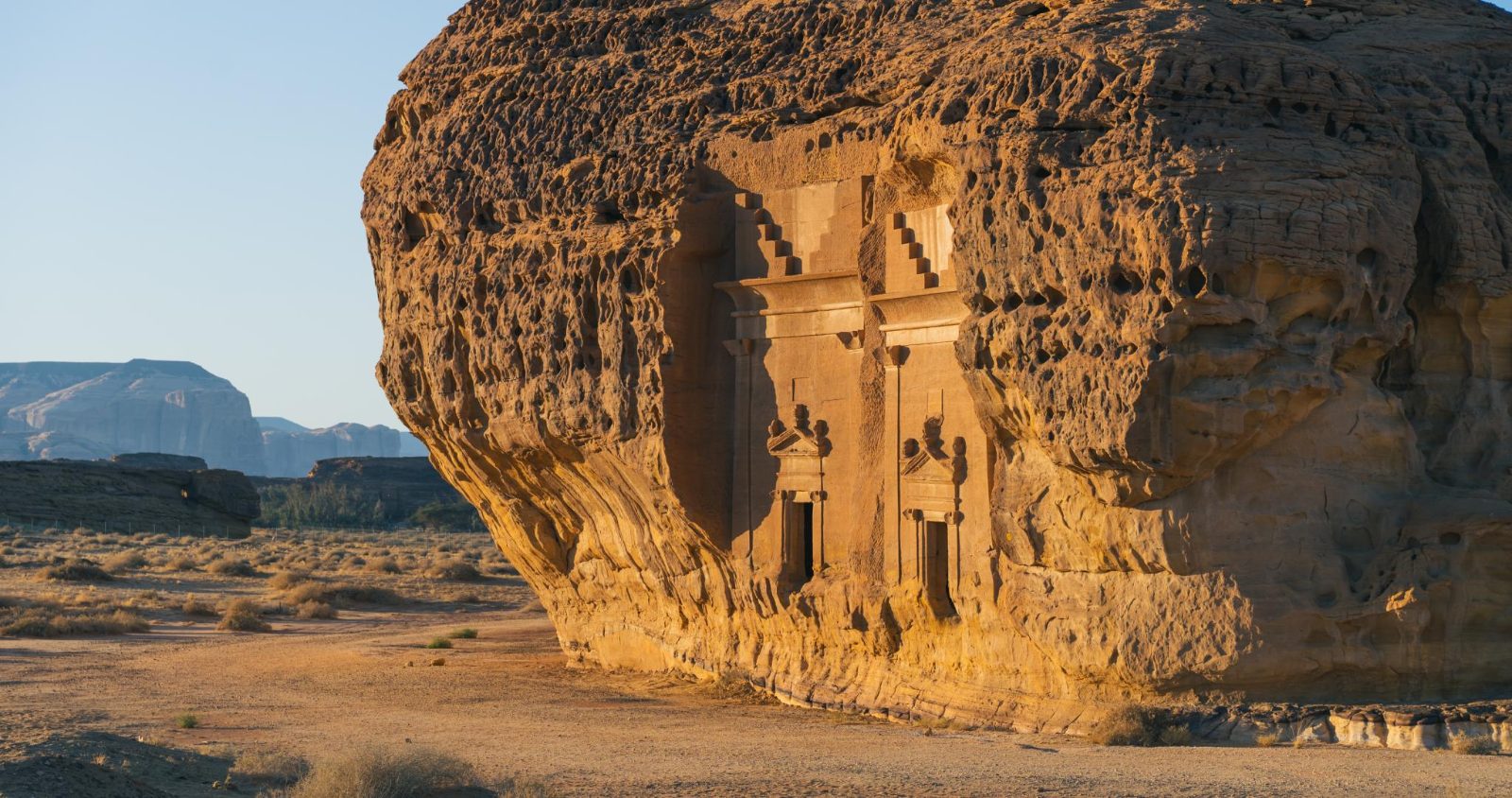
Standing 22 meters tall, this is the largest and most iconic tomb at the site, often referred to as the Lonely Castle.;View of Qasr Al-Farid against the desert sky;Tomb of Lihyan son of Kuza
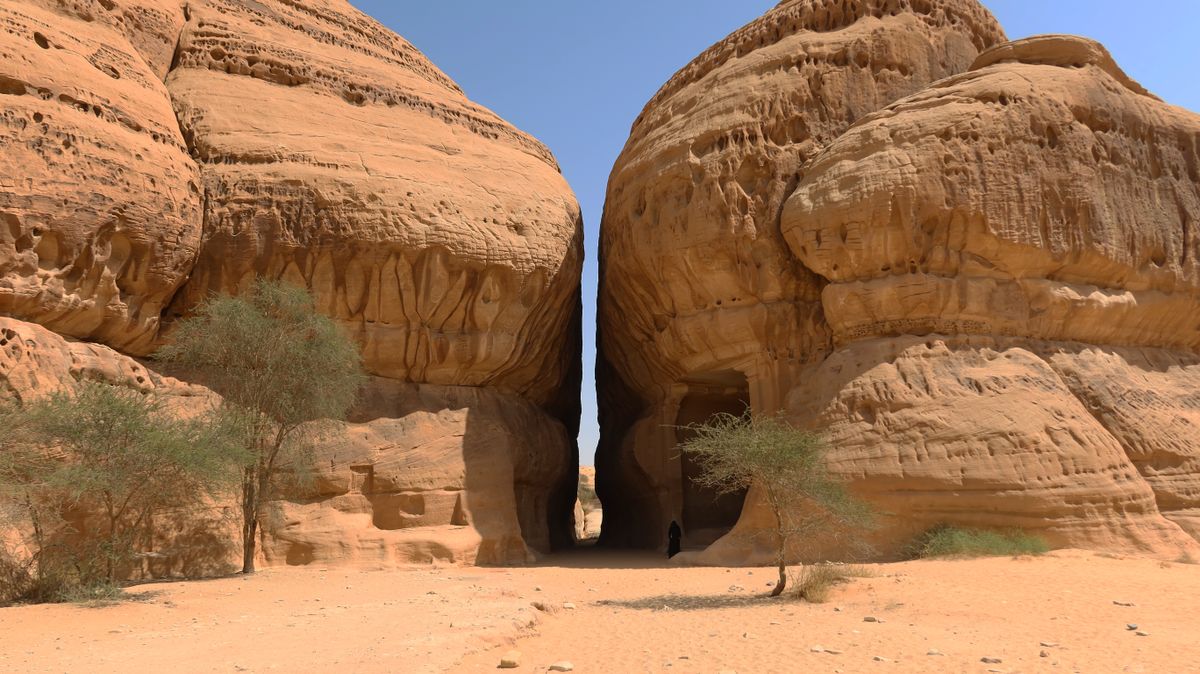
This natural mountain feature served as a religious centre and includes a hidden chamber known as the Diwan.;View of the narrow Siq leading to Diwan;Jabal Ithlib
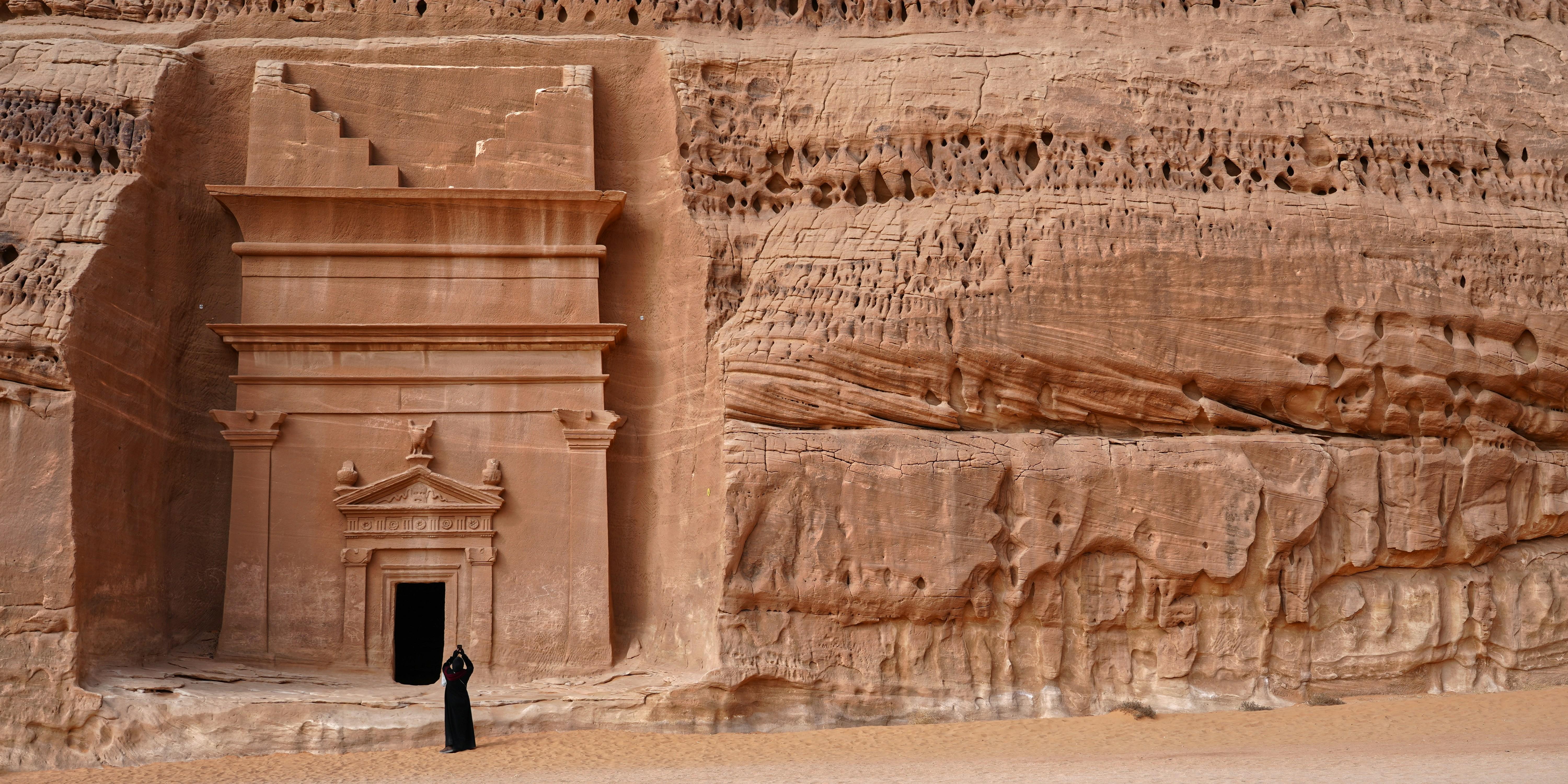
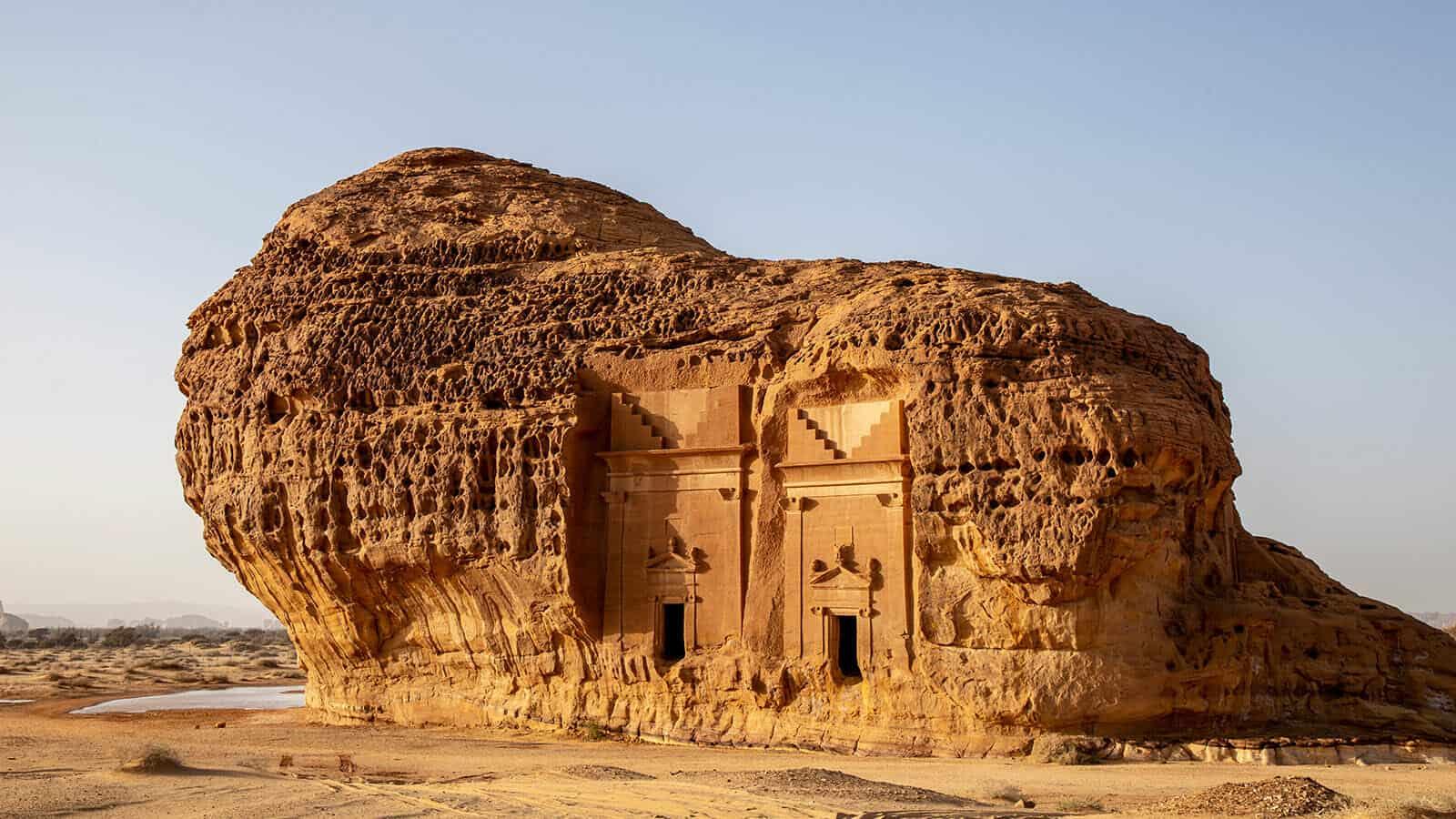
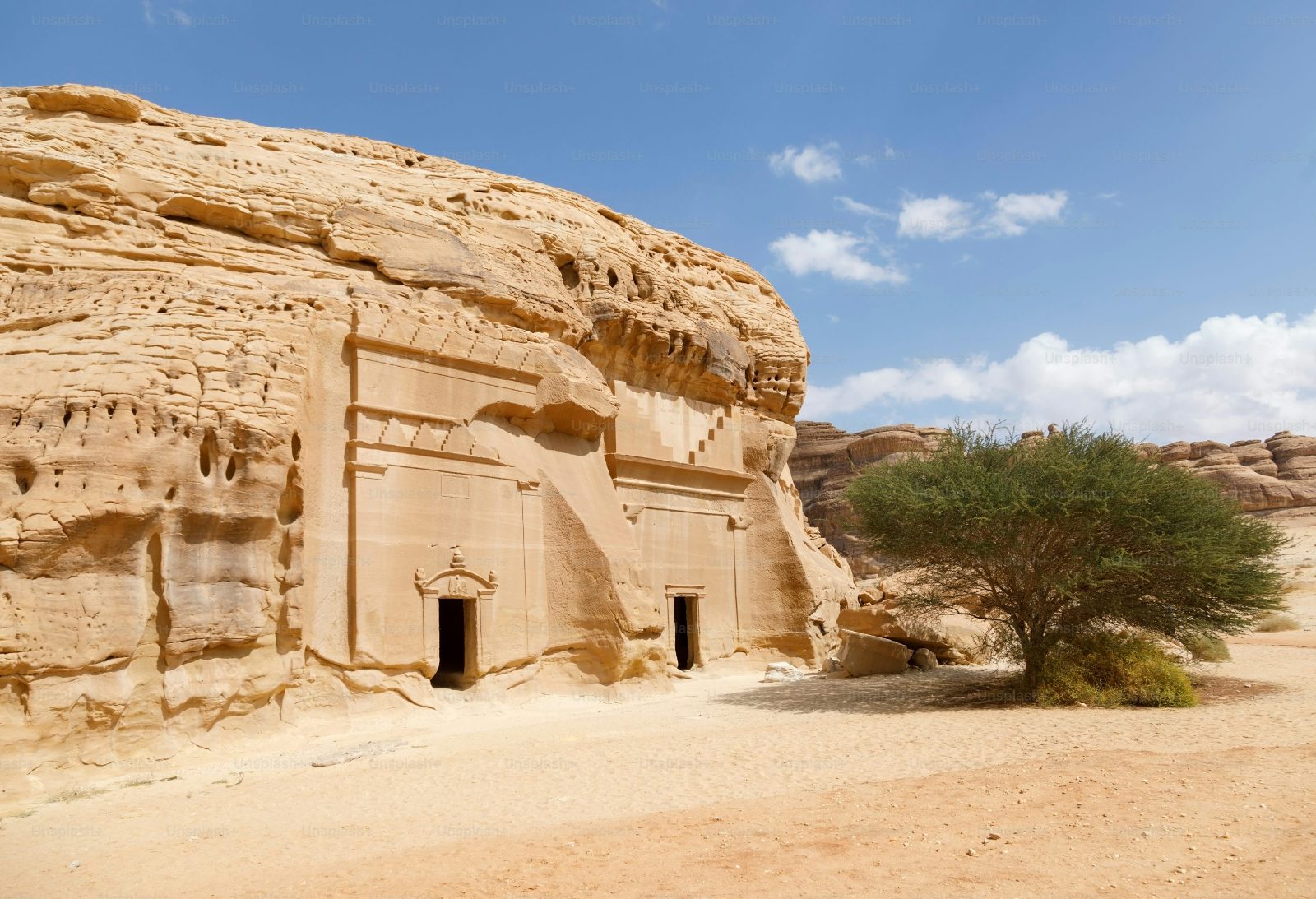
These tombs feature some of the most intricate façades in the necropolis, showcasing the skill of Nabataean artisans.;Close up of Nabataean tomb facade carvings;Qasr Al-Bint Hegra
A stunning, rectangular rock-cut hall located at Jabal Ithlib, used for ceremonial feasts and religious gatherings.;Interior of the rock-cut Diwan hall;Diwan Jabal Ithlib
This tomb gained international recognition after the facial reconstruction of Hinat, daughter of Wahbu, was displayed.;Reconstructed face of Hinat at the visitor centre;Hinat Tomb Hegra
You arrive at the Hegra Visitor Centre as morning shadows still stretch across the parking courtyard, presenting your mobile voucher at the conservation desk where staff confirm your 06:30 time slot.
Your guide leads your group of twelve through the west gate, following a graded path toward Jabal al-Banat where five tombs cluster beneath an overhanging cliff. You pause at Tomb 23, tracing the weathered inscription above the doorway that names the patron and construction year in Nabataean Aramaic. The interior chamber measures four metres square, its walls bearing niches for funerary offerings and a central burial pit now empty.
The route continues north to Qasr al-Farid, standing isolated in the sand plain, its unfinished façade rising in four registers without a completed entrance. You circle the monument while your guide explains the stone-cracking technique Nabataean masons used to separate blocks from bedrock. By 08:15 the group reaches Jabal Ithlib, the ceremonial precinct where a natural gorge narrows to two metres between carved walls bearing Latin graffiti left by Hejaz Railway engineers in 1907. You emerge at the Diwan, a triclinium chamber cut 12 metres into the cliff, its stone benches preserved under a vaulted ceiling. The hegra tour tickets price tour concludes after 90 minutes at the residential mounds, where excavation trenches expose mudbrick walls and a plastered water channel feeding date palm groves.
All the details about your upcoming adventure in one place
Hegra contains 111 monumental tombs carved by Nabataean masons between the first century BCE and the first century CE, the southern capital of a trading empire that stretched from Petra to the Red Sea.
The site remained sealed for 2,000 years after Rome annexed the Nabataean Kingdom in 106 CE, preserving façades with Hellenistic pediments, Egyptian cornices, and Assyrian step motifs that record the empire's cross-cultural fluency. UNESCO inscribed it in 2008 as Saudi Arabia's first World Heritage property, recognising the exceptional preservation of rock-cut architecture and the archaeological integrity of a caravan city that moved frankincense, myrrh, and spices across the Arabian Desert.
Today Hegra anchors the AlUla heritage district, where conservation teams stabilise sandstone tombs against wind erosion and document pre-Islamic inscriptions in five ancient scripts. The 95 SAR conservation fee supports ongoing excavation at the residential quarter north of Jabal Ithlib, where archaeologists uncovered Nabataean pottery kilns and a water cistern system engineered to capture flash floods. Guided tours traverse the monumental Qasr al-Farid, the site's largest unfinished tomb standing 22 metres tall, and the Lion Tomb complex with its guardian sculptures still bearing traces of original pigment. Evening light renders the rose sandstone in gradients from amber to copper, illuminating chisel marks left by stonemasons who signed their work in Aramaic.
The landscape surrounding the tombs extends across 52 square kilometres of desert scrubland, where nature safaris track Arabian oryx reintroduced by the Royal Commission for AlUla and acacia groves sheltering sand fox dens. Hot air balloon flights launched at sunrise climb 600 metres above the necropolis, framing the tomb clusters against Harrat Uwayrid basalt fields formed by Quaternary volcanism. Hegra tour tickets price options include UNESCO site entry with required guided interpretation, combination heritage itineraries linking Dadan and the Old Town, and specialised nature excursions operating from open-top vehicles. Each visit begins at the modernist Hegra Visitor Centre, where exhibition galleries present Nabataean trade routes, epigraphic discoveries, and a film reconstructing the caravan city at its commercial zenith in 50 CE.

The site remained sealed for 2,000 years after Rome annexed the Nabataean Kingdom, preserving façades with Hellenistic pediments and Egyptian cornices.
Dress modestly in loose, breathable clothing that covers shoulders and knees. Sturdy walking shoes are recommended for navigating the sandy terrain.
Security screening is conducted at the Hegra Visitor Centre. Only small bags are permitted to ensure comfort during the bus transfer and site exploration.
Photography is permitted for personal use. Do not remove or touch anything from the tombs or the surrounding environment to preserve this UNESCO World Heritage site.
The site is family-friendly and open to all ages. Children must be supervised at all times near the ancient rock carvings and cliff edges.
The site requires significant walking on uneven, sandy surfaces. Guests with limited mobility should contact the visitor centre in advance to discuss specific assistance options.
No food is allowed inside the archaeological zone. Complimentary seasonal drinks and dates are provided as part of the hospitality experience at the visitor centre.
Opening Hours
Mon/Sun 06:30–18:00, Tue–Sat 06:30–20:30
Address
Hegra Visitor Centre, AlUla, Saudi Arabia
Accessibility
Guided tours are required for site access
Best arrival window
06:30–09:00 — avoid midday heat and larger crowds
Baggage
Only small personal bags permitted on shuttle
Navigation
Use official Hegra Visitor Centre Google pin
Manage your booking through your profile page or contact the call centre. Non-refundable policies may apply depending on the selected hegra tour tickets price package.
Recommended time
2-3 hours
Because access to this UNESCO World Heritage site requires a guided bus excursion, planning your schedule around the official hegra tour tickets price is essential for a seamless experience. Visitors should allocate approximately 2-3 hours to move between the carved sandstone tombs and desert landscapes, which accounts for transit time and guided commentary. While the guided format helps manage visitor flow, booking your AlUla heritage tour in advance ensures you secure a spot during quieter hours when the heat is less intense. Arriving for your reserved departure avoids the midday queues often seen as the daily crowds move through the visitor centre.
Crowd levels through the day
Hegra, known in antiquity as al-Hijr, emerged as the southern capital of the Nabataean Kingdom around the first century BCE. The Nabataeans, an Arab people who controlled trade routes between the Arabian Peninsula and the Mediterranean, carved more than one hundred monumental tombs into the golden sandstone outcrops of this desert oasis. Unlike their northern capital at Petra, Hegra served primarily as a necropolis and caravan stop along the incense route, where merchants exchanged frankincense, myrrh, and spices. The site's rock-cut facades blend Nabataean, Assyrian, and Hellenistic architectural elements, reflecting the cosmopolitan nature of this crossroads civilization. Roman annexation in 106 CE transformed Hegra into a garrison town on the empire's southeastern frontier. The Lihyan people had occupied the region centuries earlier, leaving proto-Arabic inscriptions that predate the Nabataean presence. After Rome's decline, the site fell into obscurity for over a millennium. Ottoman authorities established a railway station here in 1907 as part of the Hejaz Railway project linking Damascus to Medina. The abandoned locomotives and station buildings still stand beside the ancient tombs, creating an unusual archaeological palimpsest. UNESCO inscribed Hegra as Saudi Arabia's first World Heritage Site in 2008, recognizing its exceptional preservation and historical significance. The Royal Commission for AlUla initiated systematic excavation and conservation in 2019, opening controlled public access for the first time. Today's hegra tour tickets price structure reflects the conservation fee implemented to protect the fragile sandstone facades from erosion and human impact. Archaeologists continue uncovering Nabataean wells, residential quarters, and inscriptions that document daily life in this ancient trading hub, transforming our understanding of pre-Islamic Arabian civilization.
Nabataeans establish Hegra as their southern capital and caravan station
Roman Empire annexes the Nabataean Kingdom, converting Hegra into a frontier garrison
Ottoman Empire constructs Hejaz Railway station at the site
UNESCO designates Hegra as Saudi Arabia's first World Heritage Site
Royal Commission for AlUla opens the site to guided public tours
Archaeological teams begin systematic excavation of residential and commercial districts
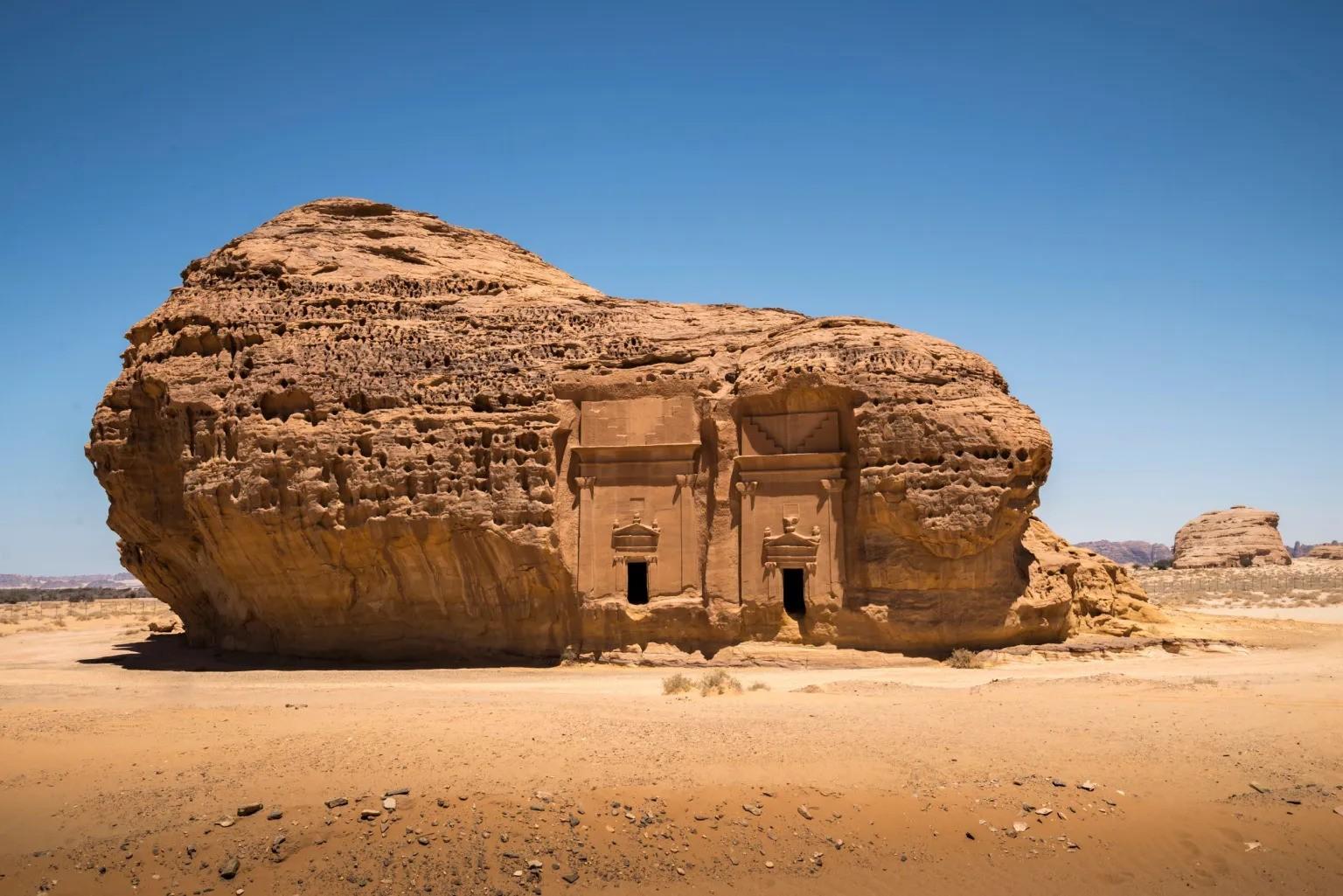
Stand on the western approach to capture the full scale of this monumental tomb carved into a single sandstone block. The symmetry of the four-story facade provides a distinct perspective against the desert horizon.
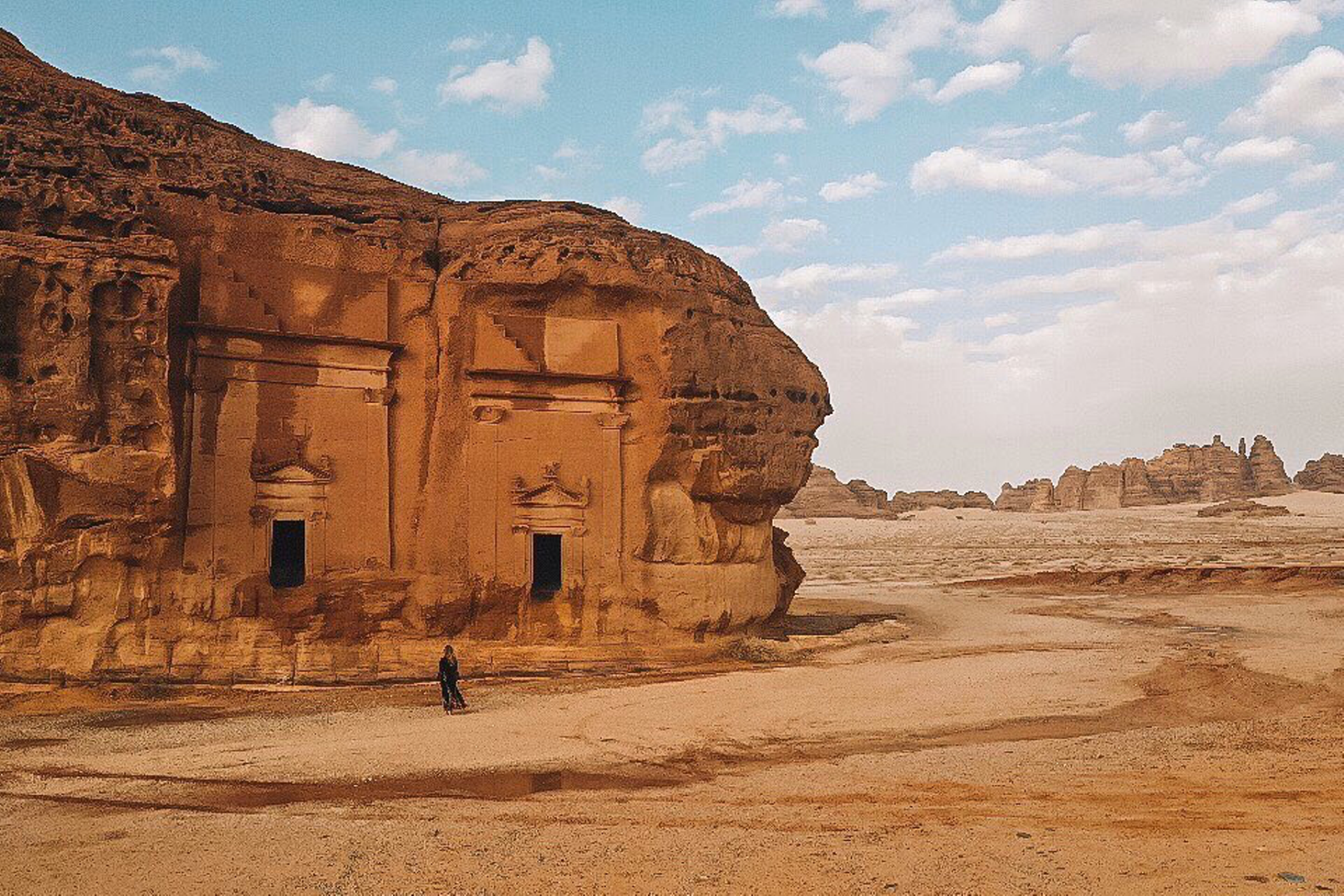
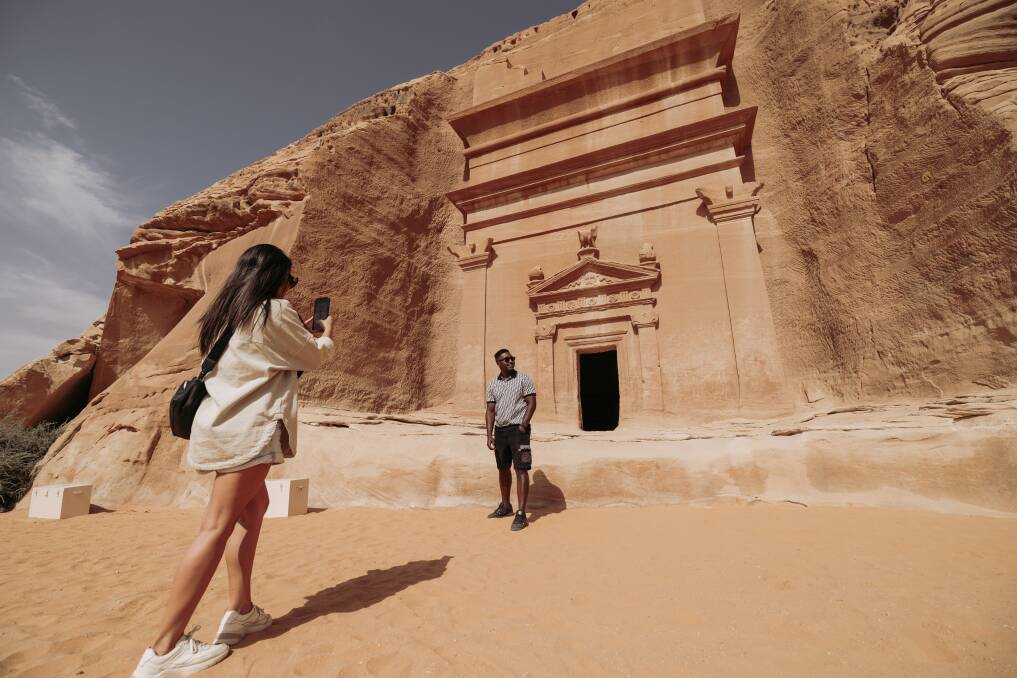
Position yourself at the base of this rock formation to photograph the series of elaborate Nabataean facades lined up along the cliffside. The light hits these carvings directly during the morning hours, making it the ideal spot for your hegra tour tickets price photo archive.
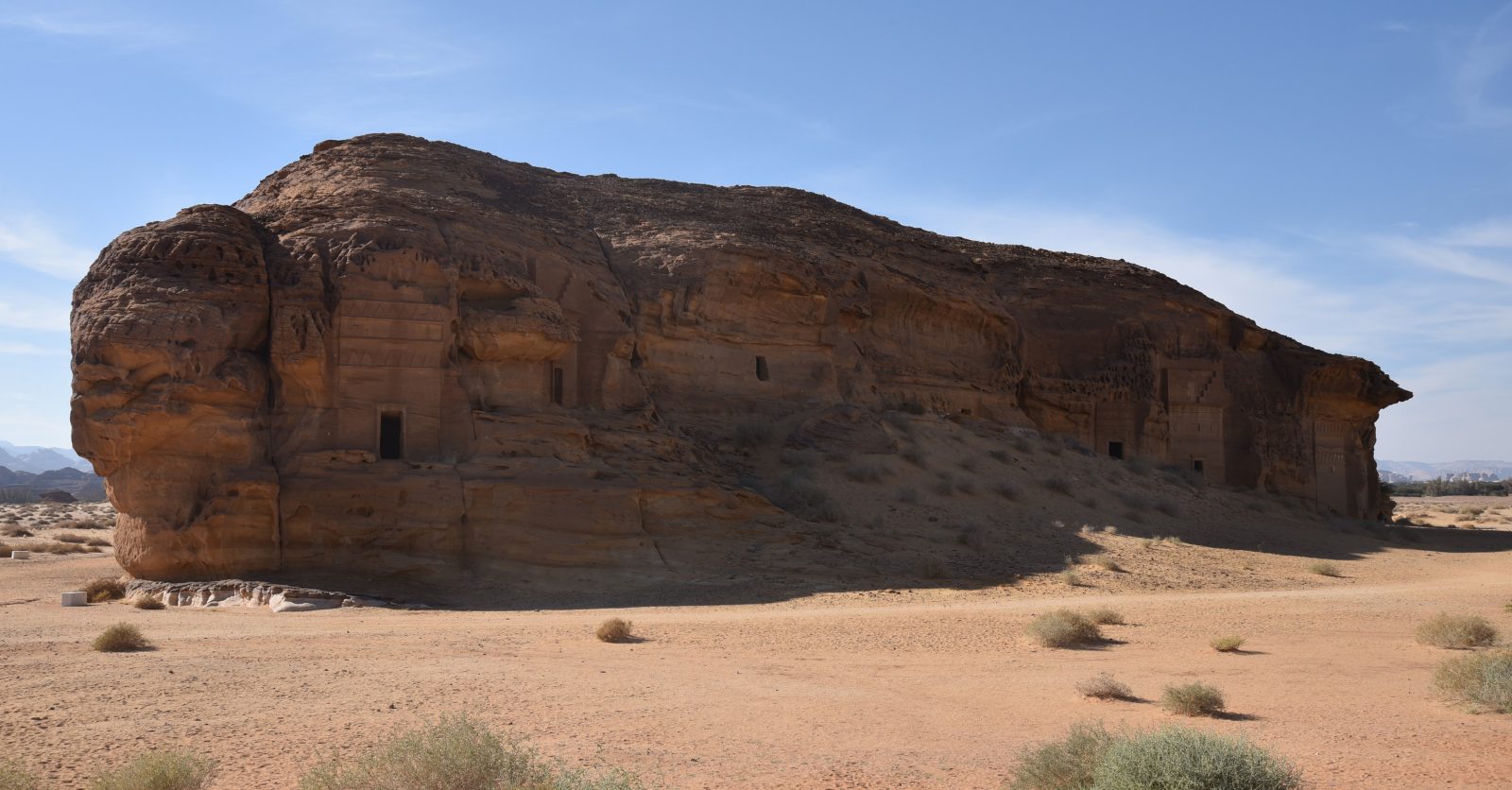
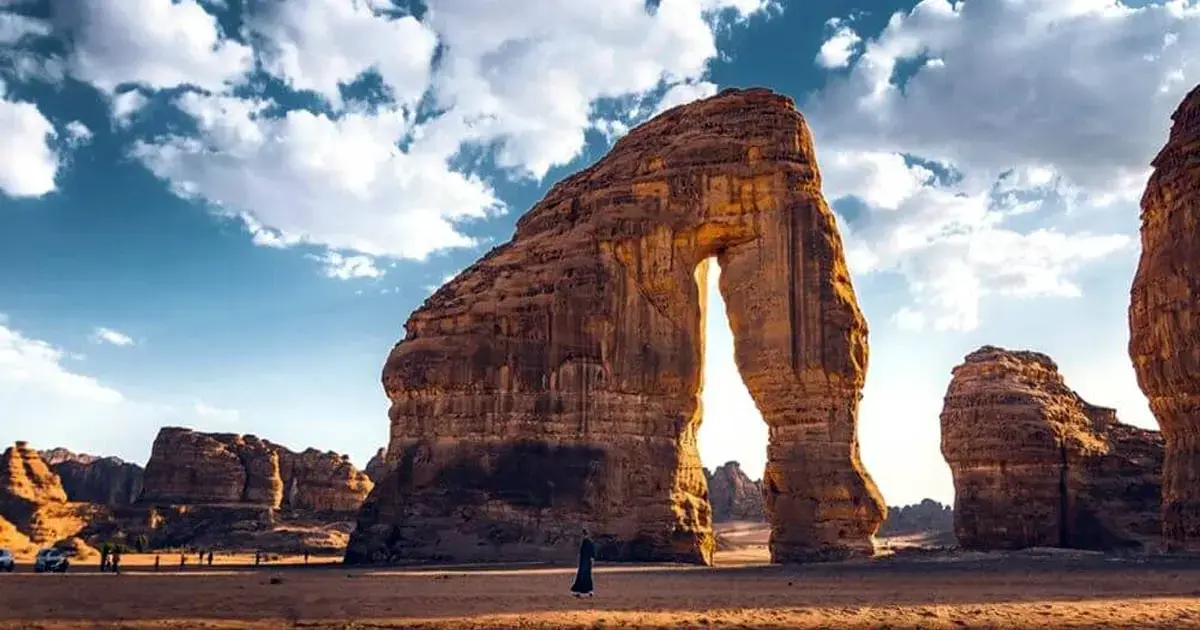
Walk along the sandy track facing the red-hued rock face to frame the burial chambers nestled within the stone. This location emphasizes the geological contrast between the deep red sandstone and the surrounding desert floor.
Capture the narrow passage of the Siq and the surrounding natural rock formations that served as a place of worship for the Nabataeans. The interplay of shadow and light within the canyon offers a composition for those using hegra tour tickets price tours.
Visiting this UNESCO heritage site with children requires planning to manage the desert climate, but understanding the hegra tour tickets price helps families secure their necessary access. Exploring these ancient rock-cut tombs offers an educational look at AlUla landmarks for visitors of all ages.
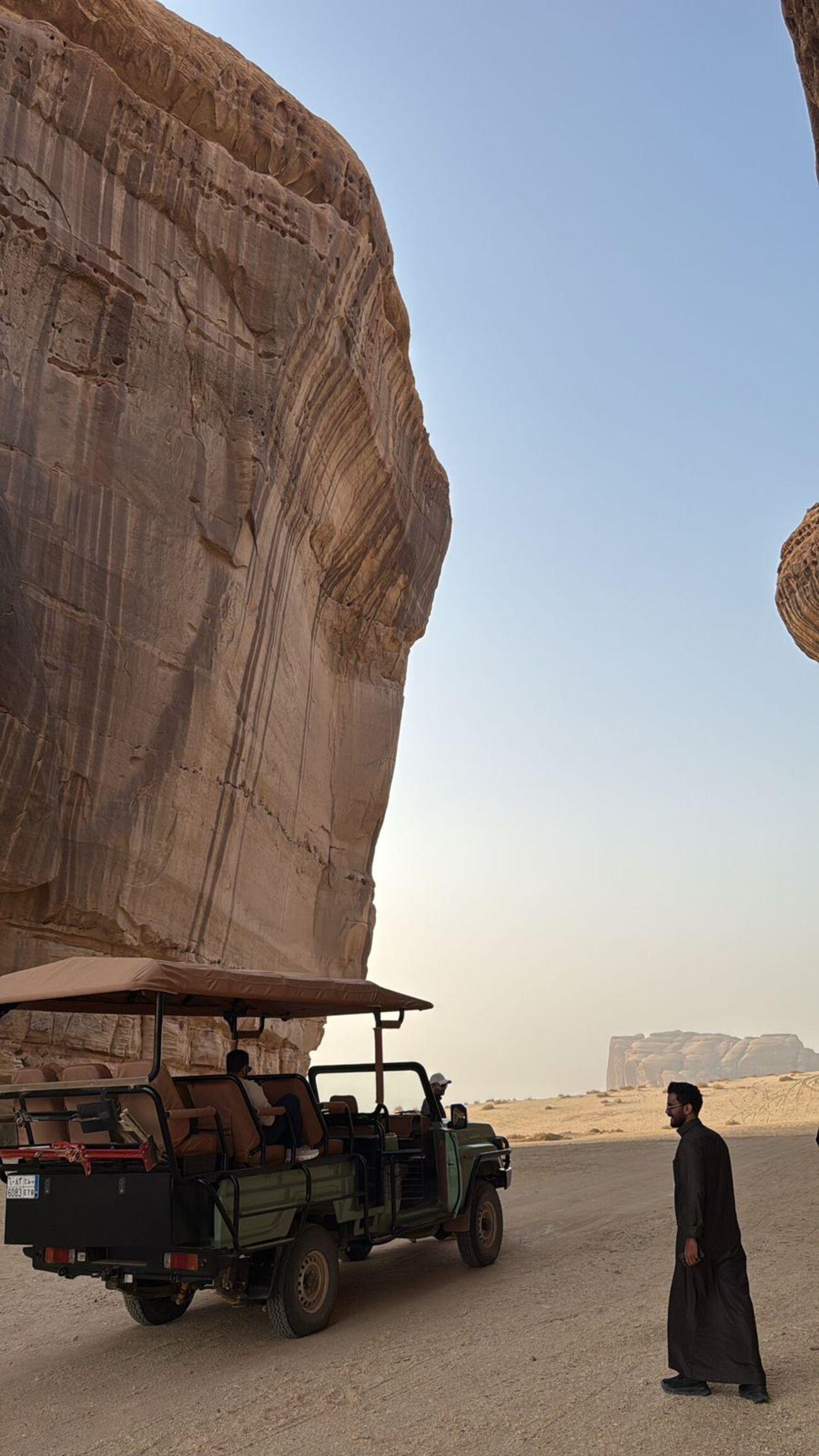
Standard strollers are difficult to maneuver on the sandy terrain, so a child carrier is recommended for younger children. Please note that hegra tour tickets price tours include coach transportation across the site.
The Hegra Visitor Centre provides clean restrooms and climate-controlled waiting areas to ensure comfort before your departure. Baby-change facilities are available at the main visitor hub.
School-aged children often engage best with the historical narratives provided during the guided experience. The hegra tour tickets price tickets cover all family members regardless of age for entry access.
Tours involve walking segments between desert monuments, so keep a steady pace to maintain group schedules. Planning your visit early helps you manage the heat while utilizing your hegra tour tickets price tour booking.
Limited dining options exist on-site, so pack plenty of water and light snacks to keep children hydrated and energized. Ensure you have adequate supplies before arriving at the Hegra Visitor Centre.
Visitors planning their trip around the hegra tour tickets price should note that dining options are limited within the archaeological site, making the Hegra Visitor Centre the primary hub for refreshments. While AlUla landmarks offer diverse dining, most guests prefer to enjoy a meal before or after their guided tour.
Located at the visitor complex, this spot is ideal for a coffee or light snack before your AlUla cultural tour. It provides a comfortable space to relax while checking hegra tour tickets price tours details.
$
A short distance from the site, this casual venue serves sandwiches and salads in a relaxed outdoor setting. It is a popular choice for visitors managing their hegra tour tickets price tour schedule to sit down for a full lunch.
Everything you need to know for your journey
The entrance fee is 95 SAR (conservation fee) per person, which includes the required guided tour and access to the site.
Yes, it is highly recommended to book your tickets in advance, especially during the peak season from October to March.
A standard site visit usually takes approximately 2–3 hours.
Hegra is open to visitors of all ages.
The fee includes site access, a guided tour, and transportation within the site by coach.
Yes, you may take photos for personal use, but please do not touch or remove any artifacts.
Bring sun protection, water, and wear comfortable walking shoes.
Food is prohibited inside the archaeological zone, though refreshments are provided at the Visitor Centre.
Due to the sandy and uneven terrain, the site is not fully accessible for strollers or wheelchairs.
You can drive to the Hegra Visitor Centre or take a shuttle from Winter Park.
Join thousands of happy travelers who have discovered this incredible experience
Book Your Experience Now